


German online casino association questions black-market data
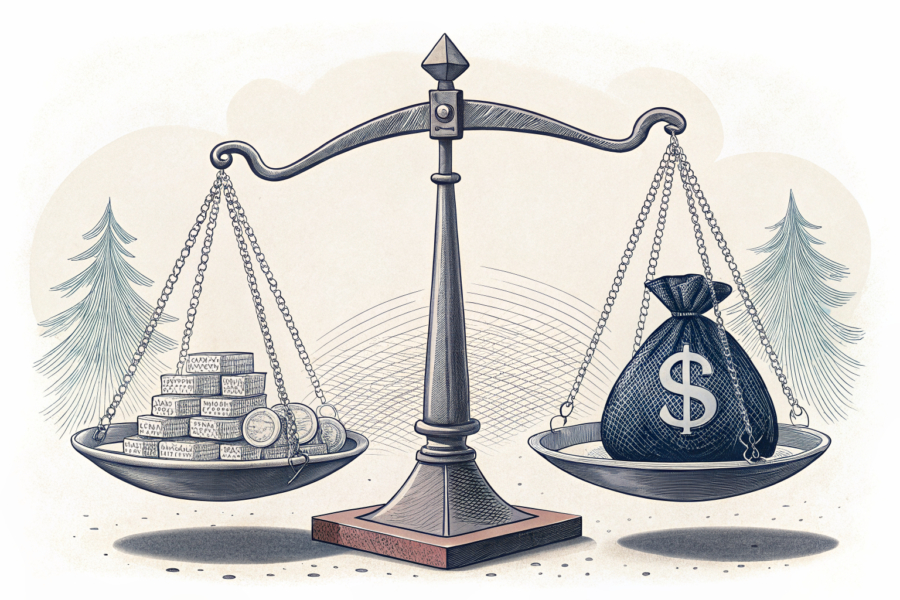
DOCV believes that the German gambling regulator’s estimates are still inaccurate.
Germany.- Simon Priglinger-Simader, vice president of the online casino association DOCV, has rejected the federal regulator’s latest figures on black-market gambling in Germany. He’s described the channelisation figures as “conservative” and inaccurate.
The GGL’s study, conducted by the Blockchain Research Lab, estimated a channelisation rate of 77.03 per cent, which would mean that regulated gambling in Germany accounted for only slightly more than three-quarters of the online gambling market in 2025. Gross gaming revenue (GGR) from unlicensed activity was estimated at €547m in 2024, which would represent a 17 per cent increase compared to €466m in 2023.
The GGL said the findings were in line with its expectations. However, Priglinger-Simader claims the study was undermined by “non-representative sampling,” which he said failed to capture the true scale of black-market gambling and was “not consistent with the observed tax numbers we know.”
He suggested that black-market gambling turnover is likely far higher due to aggressive bonus offers and the lack of restrictions such as loss or spin limits. He said licensed operators had received feedback from customers who say they switched to unlicensed platforms to avoid strict regulations.
He also pointed to “recall bias,” saying: “When you are asking someone about whether they are participating in illegal gambling, most likely they will say ‘no’.”
DOCV claims that its own 2023 study carried out by the economist Gunther Schnabl of the University of Leipzig offers a more reliable picture. That report suggested around half of German players were using illegal sites.
An updated study from Schnabl is expected in mid-2025, incorporating new Nielsen data and a revised list of illegal operators.
Meanwhile, a survey has raised concerns about the impact of gambling adverts in Germany, while the third national report on gambling prevalence in Germany published by researchers from the Institute for Interdisciplinary Addiction and Drug Research (ISD) and the University of Bremen has called for tighter monitoring of the licensed market.
The Glücksspiel-Survey 2025 recommends that the Bundesländer and the federal gambling regulator, the GGL, should focus on “structural prevention rather than relying primarily on individual responsibility to minimise gambling risks.”
Both recent reports could carry weight as the GGL conducts its review of the first five years of Germany’s Interstate Gambling Treaty, which it’s due to present to the Bundestag this year. The regulator has pledged to assess whether the framework has achieved its goals of balancing player protection, market sustainability, advertising controls and enforcement of online gambling standards.