
Alabama to address potential gambling regulation in the next quadrennium, lawmaker says
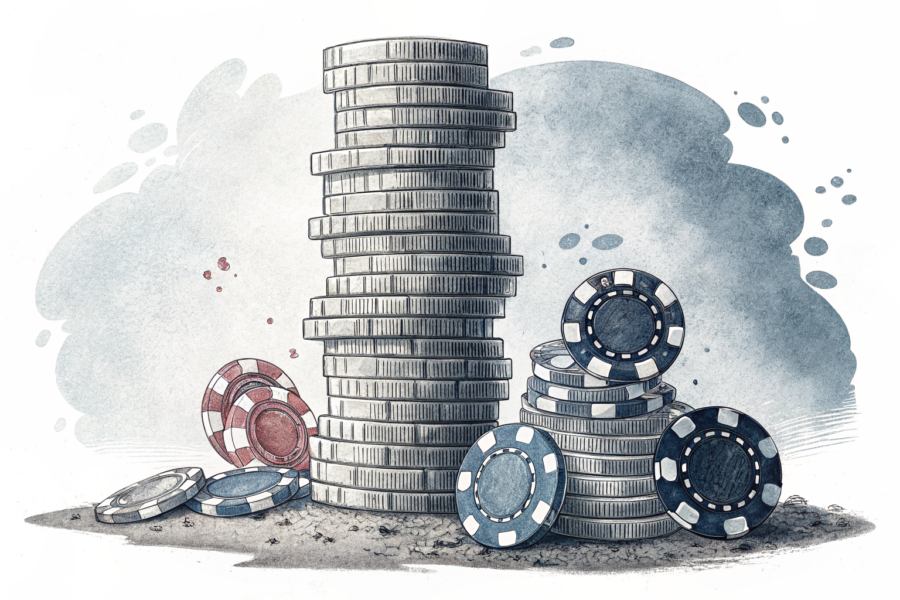

Representative Chris Blackshear says the state needs to consider gambling regulation to control the black market and generate new revenue.
US.- Alabama State Rep. Chris Blackshear has suggested that the state will address the possibility of regulated gambling in the next quadrennium, which begins next year. During an appearance on Alabama Public Television’s Capitol Journal, he cited the growth of unregulated gaming and the need for new revenue.
Alabama remains one of the few US states without a lottery and one of 11 without legal sports betting. Commercial casinos are prohibited. The only casino-style gaming operates under Class II rules at three tribal facilities run by the Poarch Band of Creek Indians. Local electronic bingo is permitted in some counties under constitutional amendments, and limited pari-mutuel betting exists in four counties.
In 2024, Blackshear sponsored an amendment that would have authorised a lottery, casinos and sports betting, along with a state gaming commission. The proposal passed the House but was scaled back in the Senate and failed by one vote. The regulation of gambling would require voter approval of a constitutional amendment.
“I don’t want to say next session, but I will say next quadrennium. I still think it is a conversation we have to have,” Blackshear told Capitol Journal.
He also challenged opponents to propose alternative solutions.
“I would love anybody on the opposing side of things to come to us with a solution of how do we then stop what’s already existing?” he said. “You can’t touch what’s on tribal land, right? But there is a lot of other, some would argue, quasi-legal, illegal gaming that exists across the state. So, it’s growing every day. It’s popping up every day.”
Blackshear added: “What’s the solution to reel that in and control it? There’s got to be some kind of control parameters. So I absolutely think it’s going to be addressed.”
Blackshear also suggested that another factor was the potential revenue from gambling. “You’ve been hearing us say for several years on the ETF side and the general fund side the extra money in the budgets is coming to an end. Well, that truly is coming to an end,” he warned.