Libuša Baranová, ÚRHH: “The priorities of the Gambling Regulation Authority remain the same under my leadership”
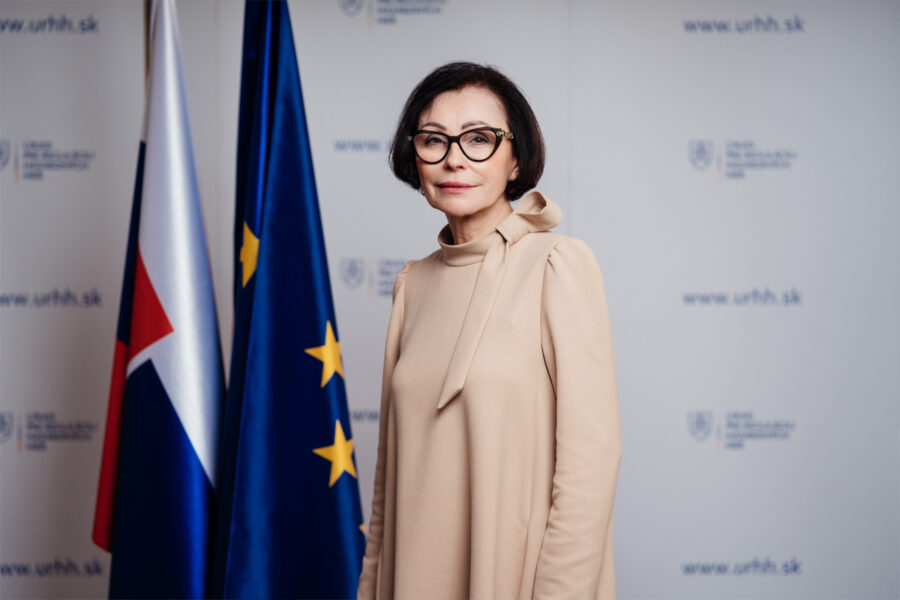

Libuša Baranová, the newly appointed director general of the ÚRHH, gave an exclusive interview to Focus Gaming News.
Exclusive interview.- In October, the Ministry of Finance of Slovakia confirmed the appointment of Libuša Baranová as the new director general of the country’s Office for the Regulation of Gambling (ÚRHH).
In this exclusive Focus Gaming News interview, Libuša Baranová outlines her priorities as she leads the authority through a period of rapid transition and institutional consolidation.
What are your immediate priorities as the new Director General of ÚRHH, particularly regarding the regulation of the gambling industry in Slovakia?
The past few months, during which important legislative changes were adopted in connection with the consolidation of public finances, have been extremely dynamic in gambling regulation. This has also had a significant impact on the regulation of gambling. The state has decided to increase gambling tax rates for both online and brick-and-mortar gambling. The legislation adopted by the government and parliament in August and September also fundamentally changes the conditions for combating illegal online gambling, but the changes also affected areas such as procedural rules for supervision and the obligations of local governments to adopt generally binding regulations restricting or prohibiting the location of casinos and gambling establishments in their territory. All these changes will take effect in January 2026. In addition, another significant legislative change concerning consumer protection will take effect in January 2026. From January, the Gambling Regulation Authority will become the main supervisory authority for consumer protection in the field of gambling, taking over this competence from the Slovak Trade Inspection Authority. In principle, however, I can say that the priorities of the Gambling Regulation Authority, which are to ensure and implement balanced regulation by the state in the areas of licensing and state supervision, to ensure a sophisticated and safe environment for gambling, combating illegal gambling, and strictly enforcing the principles of responsible gaming, remain the same under my leadership.
“From January, the Gambling Regulation Authority will become the main supervisory authority for consumer protection in the field of gambling, taking over this competence from the Slovak Trade Inspection Authority.”
Libuša Baranová, director general of Slovakia’s Office for the Regulation of Gambling (ÚRHH).
In light of several leadership changes at the ÚRHH this year, how do you plan to ensure continuity and stability within the authority?
The changes in the position of Director General do not represent any fundamental changes in the GRA’s policy in gambling regulation. My ambition is primarily to strengthen the GRA’s position as a regulator and to improve its internal functioning and management of the Office, in a difficult period of austerity and consolidation. On the other hand, I want to ensure suitable conditions for the further development of the GRA and the fulfilment of its statutory tasks, which will be significantly expanded to include consumer protection from 2026.
Are there any planned reforms to the current gambling legislation you consider essential for improving market oversight?
The Gambling Regulation Authority works closely with the Ministry of Finance of the Slovak Republic on all changes affecting the gambling sector. In this way, the Authority is also prepared to participate in the preparation of a new state policy concept in gambling, which the Government of the Slovak Republic has committed to adopting during the 2023-2027 election period. Within the framework of the concept and the subsequent amendment to the Gambling Act, we see several opportunities for effective changes to the regulatory rules.
How do you assess the current state of the Slovak gambling market in terms of growth and regulation compliance?
In Slovakia, since the Covid-19 pandemic, we have seen very dynamic growth in the gambling sector, particularly in the online casino segment. The year 2024 was also very dynamic in terms of online casinos, with this segment recording growth of almost 30 per cent in terms of GGR and as much as 35 per cent in terms of the amount of tax paid to the state budget. We expect similar growth in 2025, and it should be noted that this development is not significantly different from other European countries.
The reason for such high interest in online gambling is mainly a change in consumer behaviour, with consumers increasingly preferring to purchase goods and services and seek entertainment online, which, thanks to innovations in information technology, is becoming more attractive and is available anywhere and anytime without restriction. As regards compliance with regulations by gambling operators, the GRA’s ongoing priorities include the fight against illegal gambling, and in 2026, the GRA will also focus significantly on compliance with rules in the area of combating money laundering and terrorist financing.
What challenges do you foresee in enforcing regulations in online versus land-based gambling venues?
The Gambling Regulation Authority requires and monitors compliance by online gambling operators with the obligations imposed on them primarily by the Gambling Act. These are primarily measures related to the mandatory use of the register of excluded people, the application of self-restrictive measures, and information on the risk of addiction and high financial losses. From 2023, online casino operators are governed by the Responsible Advertising Code when advertising and promoting their services. However, this is a self-regulatory document, and the Gambling Regulation Authority is not competent to sanction non-compliance. We have high expectations for the new consumer protection regulation, under which, from 2026, the Authority will be the main supervisory body for compliance with the Consumer Protection Act in gambling, and we will be able to effectively control and sanction unfair commercial practices by online gambling operators.
What role do you see for technological innovation, such as AI and data analytics, in future regulatory frameworks?
Slovakia is part of the European area. Developments in the field of gambling, particularly in terms of innovation and growth in online gambling, are likely to mirror European and global trends in Slovakia. We do not underestimate the dynamics of change in the field of technological innovation and strive to keep pace with current developments in the use of artificial intelligence and data analysis tools. Data is and will continue to be key in the gambling segment for the formation of regulatory policy by the GRA. We know that the impact of technological innovation and AI will be very strong in the coming years. On the one hand, operators will use these new technologies to better tailor their products and services and communicate more effectively with players, but on the other hand, these technologies will enable the development of more effective tools for operators to fulfil their obligations in the area of anti-money laundering or in assessing risky player behaviour. This will certainly improve results in responsible gaming and the prevention of the negative impacts of risky gaming.
“We do not underestimate the dynamics of change in the field of technological innovation and strive to keep pace with current developments in the use of artificial intelligence and data analysis tools.”
Libuša Baranová, director general of Slovakia’s Office for the Regulation of Gambling (ÚRHH).
Could you share your views on cross-border cooperation with other European gambling regulators?
We cooperate very closely with Czech regulatory authorities, namely the Ministry of Finance of the Czech Republic and the Customs Administration of the Czech Republic. We are members of the International Association of Gaming Regulators and have already held several bilateral meetings with regulators from other European countries. We consider sharing experiences to be very useful. However, in our opinion, we can expect a higher degree of harmonisation of legislation among European countries in gambling in the future, as we are already seeing in part in the areas of AML and consumer protection.
Finally, how does your office intend to engage stakeholders, including operators, consumers, and policymakers, to ensure a transparent and effective regulatory environment?
In recent years, the Gambling Regulation Authority has promoted and continues to promote open communication and cooperation with gambling operators and representatives of local authorities. Our goal is to ensure effective and balanced regulation in this socially and politically sensitive segment. As I mentioned above, the Gambling Regulation Authority is also interested in actively participating in the preparation of a new state policy concept in gambling and, in cooperation with the Ministry of Finance of the Slovak Republic, in building a legislative and regulatory environment for safe and responsible gambling.
By Focus Gaming News Editorial Team