What Andy Burnham as PM means for UK gambling
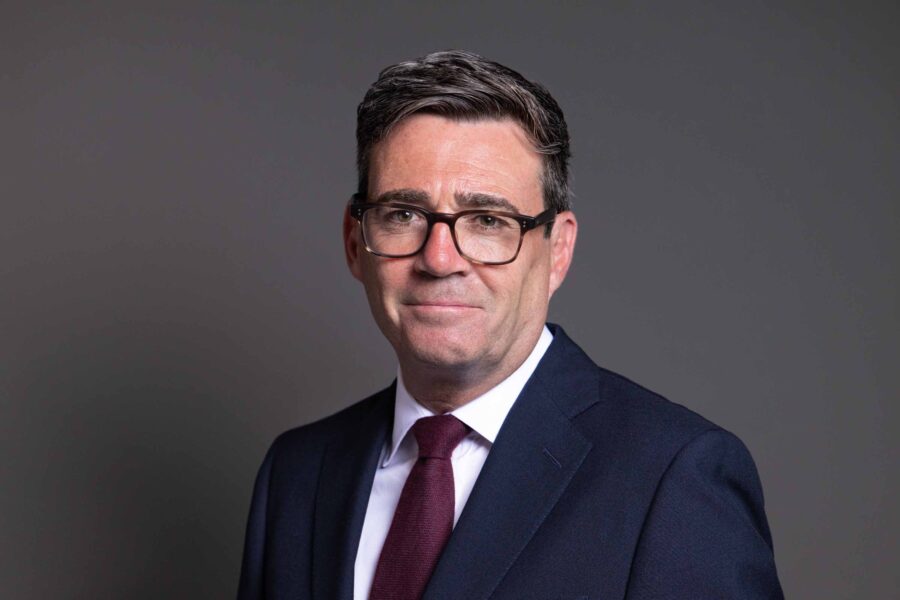

Britain’s new prime minister has revamped the front bench, but the gambling sector benefits from some continuity.
UK.- Andy Burnham’s arrival at No. 10 Downing Street has reshaped Labour’s front bench, but the gambling sector can take reassurance from no change at the helm of the most relevant ministry for the sector. Britain’s new prime minister has decided to keep Lisa Nandy in place as Secretary of State for Digital, Culture, Media and Sport.
Nandy’s reappointment ensures continuity in a department that has been plagued by instability, passing through nine secretaries of state since 2019. Burnham has expanded her remit to include digital policy in her department’s scope once again after abolishing the Department for Science, Innovation and Technology created in the then-Prime Minister Rishi Sunak’s reshuffle of February 2023. That department’s other responsibilities have been folded into Jonathan Reynolds’ new Department for Business, Innovation, Science and Trade.
For gambling, this means Nandy will remain the key figure overseeing the final stages of reforms outlined in the Gambling Act Review White Paper of 2023 white paper. That includes the introduction of the Gambling Commission’s Financial Risk Assessments (FRAs) on customers depositing £150 or more within 30 days.

She will also be responsible for appointing new leadership at the Gambling Commission. The regulator still has no chairman following the departure of Marcus Boyle 18 months ago, while former CEO Andrew Rhodes left the Gambling Commission this April. More recently, Tim Miller announced that he will step down from his role as executive director for policy and enforcement in September.
Nandy’s continuity in her position provides the sector with a clearer sense of direction than it has had in years, despite the changes in leadership at the regulator and the contentious nature of several policies themselves, most notably FRAs.
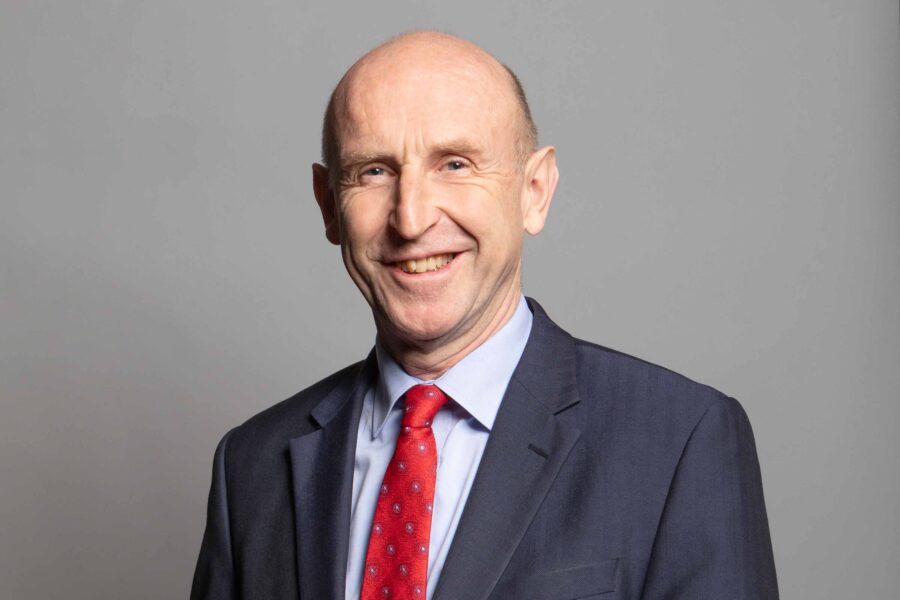
Meanwhile, John Healey has been appointed as the new chancellor of the exchequer with oversight of economic policy, including tax. A steep rise in Remote Gaming Tax to 40 per cent was introduced in April and general betting duty on online sports wagers is set to rise from 15 to 25 per cent in April 2027. However, the influential Social Market Foundation, which supported those tax rises, recently called for a tax hike on Category B slot machines.
Andy Burnham’s priorities
Burnham’s priorities lie elsewhere for now. His first speech as prime minister emphasised reforms focusing on the economy, taxation and social care, echoing his record as mayor of Greater Manchester. Yet his longstanding advocacy for regional devolution could intersect with gambling policy.
The new PM previously signed a letter with 38 other local officials calling for councils to have greater powers over gambling licensing. This suggests that under his leadership, local authorities may gain more influence over how gambling is regulated in their communities.
Campaigners hope so. The Coalition to End Gambling Ads (CEGA) continues to gain support, with the northern city councils of Liverpool and Sheffield the latest authorities to join. That could have some influence on the new PM.
As such, the gambling industry lobby may find Burnham less receptive than his predecessors, while reform advocates could see him as an ally. Writing in Politics Home last week, Will Prochaska, director of CEGA, has suggested that addressing gambling ads could offer Burnham’s a “quick win”.
Gambling industry reaction
The Betting and Gaming Council (BGC) has congratulated Nandy on her reappointment and has welcomed Healey as the new chancellor of the exchequer. It noted that Healey has been a longstanding supporter of its Grand National Charity Bet initiative. Earlier this year, he visited a local betting shop to place a charity bet as part of this year’s campaign.
Grainne Hurst, chief executive of the Betting and Gaming Council, said: “Lisa Nandy’s reappointment provides an opportunity tobuild on the positive relationship we have developed since she first took office. She has consistently recognised the important contribution our regulated betting, casino and online sector makes to Britain’s economy, supporting 109,000 jobs, contributing £6.8bn in gross value added, generating £4 billion in tax each year and investing millions more in sport, including racing.”
She added: “There is important work ahead. We want to work with the Secretary of State to address our serious concerns about Financial Risk Assessments. The Gambling Commission has yet to demonstrate that the underlying data is sufficiently accurate and reliable. Pressing ahead before those concerns have been resolved risks driving customers away from the regulated sector and towards the growing illegal gambling market, where there are no safer gambling protections, no age verification and no contribution to British sport or the wider economy.”
“We also look forward to working constructively with the Chancellor and his colleagues in the Treasury. The new Government inherits a sector that has been significantly weakened by recent tax increases, which have cost jobs, undermined investment and competitiveness while strengthening the illegal gambling market. We hope to work together to restore a stable, internationally competitive tax and regulatory environment that supports jobs, protects consumers and delivers sustainable revenues for the Treasury.”