



Industry survey warns proposed UK gaming machine tax rise could risk jobs
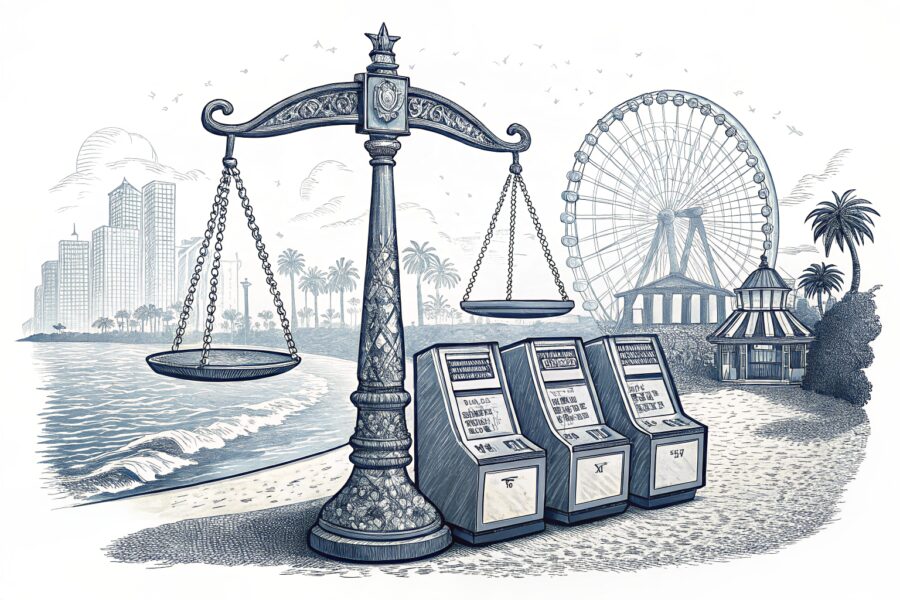

Gaming hall operators warn that a significant rise in tax would impact on investment and could lead to closures.
UK.- An industry survey highlights concern over an influential think tank’s proposal for an increase in Machine Games Duty (MGD) in the UK. The Social Market Foundation (SMF) last month proposed that Machine Games Duty (MGD) on Category B slot machines should be increased to 40 per cent to bring them level with the new Remote Gaming Duty imposed on their online counterparts in April.
Category B devices, which can pay out up to £500, are the most common type of electronic gaming machine in UK betting shops, arcades and bingo halls. They are currently subject to a MGD of just 5 per cent on stakes up to 20p, 20 per cent on stakes up to £5, and 25 per cent on stakes above £5.
The SMF’s proposal would keep the MGD rate on Category C machines, typically found in pubs, at 20 per cent and that on lower-stake devices at 5 per cent. It argues that this would shift the tax burden to riskier EGMs while protecting the hospitality industry.
However, a survey of the members of Bacta, the gaming hall sector trade association, highlights fears around the impact of the proposal. The organisation’s Pulse survey, which was conducted prior to the confirmation of Andy Burnham as the UK’s new Prime Minister, reveals fears of business closures, job losses and a squeeze on capital investment causing distress throughout the supply chain and in local economies.
Asked about the impact that a “significant” increase in MGD would have on their business all respondents said it would be negative, with 90 per cent quoting a “severe negative impact”. The remaining 10 per cent qualified the impact as being “moderately negative”.
Asked to identify the biggest challenge should MGD be increased by the new Prime Minister, the single biggest response was Remaining Profitable (67 per cent) followed by Maintaining Staff Levels (23 per cent) and Investing in New Machines and Refurbishment programmes (10 per cent).
Downturn in investment in the sector
The overwhelming majority (87 per cent) of Bacta members said an increase in MGD would make a downturn in investment “very likely”, with 3 per cent describing it as likely and the remaining 10 per cent undecided. In tangible terms, the most likely consequences of a shift in MGD identified are the closure of some adult gaming centres (AGCS), 43 per cent of respondents), a downturn in profitability (30 per cent) and fewer jobs (27 per cent).
Reflecting on the findings, Bacta President Joseph Cullis said: “The latest Pulse Survey of members supports our position that hiking taxes on gaming machines will only serve to damage high streets, seaside towns, working men’s clubs, pubs, bingo clubs, manufacturers and the wider supply chain. If the licensed, regulated sector retracts it will be the illegal unregulated sector that benefits.
“Furthermore, many seaside piers and amusement arcades rely on income from gaming areas to stay viable year-round. That income helps keep staff employed and it helps maintain attractions and buildings that are part of Britain’s coastal heritage.
“Our industry already carries a heavy and highly specific tax burden. Machine Games Duty is a major cost on land-based businesses. On top of that, operators face business rates, irrecoverable VAT, the statutory levy, rising wage costs, higher National Insurance, energy bills, licence fees and the growing cost of compliance.
“An increase in MGD would serve to tax the industry into terminal decline when what’s actually needed is a fair, responsible and progressive environment in which our industry can contribute to the economic growth agenda. No wonder the most emphatic response to this Bacta Pulse Survey was the 100 per cent who said that Westminster policymakers did not understand our sector”
The SMF was a vocal supporter of tax rises ahead of the Autumn Budget announced in November, which also included a rise in general betting duty on online sports wagers from 15 to25 per cent set to come into force in April 2027.
The budget left the land-based gambling sector unscathed, with no changes to the tax rate on bets placed at high street betting shops, including gaming machines in betting shops. Horse racing bets were made entirely exempt from the rate increase, and the 10 per cent tax on bingo was scrapped entirely.