


Warning issued over fraudulent football club lottery licence in the Netherlands
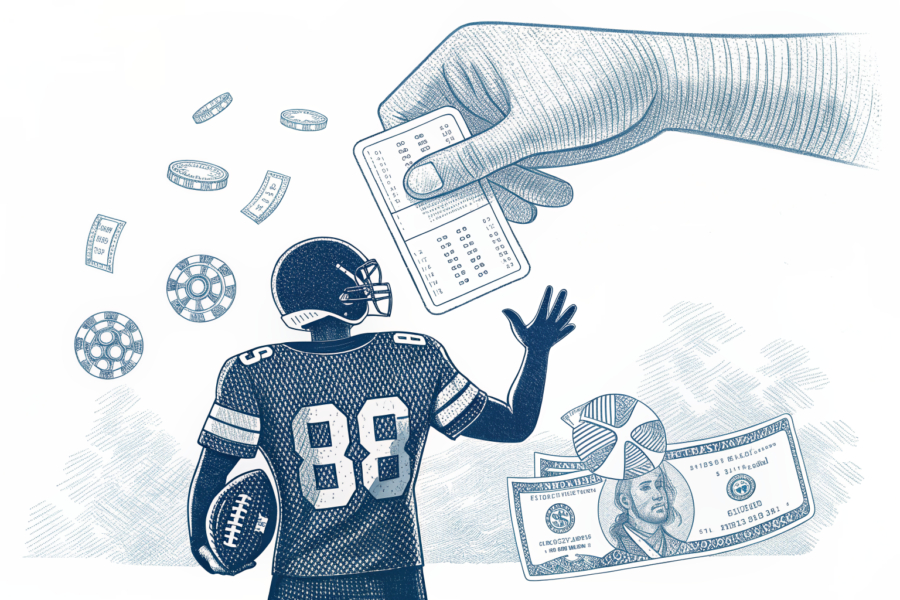
The Dutch gambling regulator says an operator impersonated the club’s chairman to obtain a lottery licence through professional fraud.
Key takeaways:
- The Dutch gambling regulator (KSA) has revoked a lottery licence after finding it had been obtained through identity fraud, with an unknown party impersonating the chairman of football club Quick Boys.
- Fraudsters allegedly used the licence to launch multiple lottery websites that were falsely linked to Quick Boys. The KSA has warned consumers not to provide personal or banking information to the sites.
- The regulator says it’s tightened its licence application checks following a similar attempted fraud.
The Netherlands.- The Dutch gambling regulator Kansspelautoriteit (KSA) has revoked a lottery licence that it says was obtained through professional fraud. Although the licence was registered in the name of football club Quick Boys from Katwijk, the KSA found that the club had not applied for a licence and had no connection with the websites on which the lottery was offered.
The club itself is a victim of identity fraud, the KSA said. An unknown party impersonated its chairman during the application process in order to obtain the licence. The scammer then used the permit to set up websites offering lottery tickets. The websites in question are loterij.quickboys.nl, loterijenqb.com, besteloterijqb.com, nieuweqb.com, bestenl.com, topnetherlands.com, newloterij.com, and topsloterij.com. The regulator has stressed that the sites do not belong to Quick Boys.
The KSA has warned the public not to enter personal data on these websites, such as name, address, email address, telephone number, or bank details. It stressed that it does not know what the scammer is doing with said data and warns that it could be misused, for example for phishing or identity fraud.
For anyone who has made a payment to one of the sites, the KSA advises them to contact their bank to try to reverse the payment and to file a report with the police and report it to the Netherlands’ Fraud Helpdesk and to the KSA itself in order to give the regulator a better overview of the operation. For people who entered data, it advises them to be extra vigilant for suspicious emails, text messages, or phone calls requesting data or payments.
Dutch regulator steps up controls amid “broader trend” of lottery misuse
The regulator says that what happened to Quick Boys fits into a broader trend. It says that another similar attempt to obtain a licence was prevented through additional checks. It has also submitted a report to the police.
“Scammers are increasingly attempting to misuse the name and licence of associations organising legal lotteries using false information,” it said. “This affects associations, whose good name is being exploited, and consumers who believe they are participating in a reliable lottery. This also represents a new risk for the KSA as the supervisory body.”
That an unknown person was able to obtain a gambling licence by pretending to be the chairman of a football club is likely to raise questions about the KSA’s controls. The regulator says it has stepped up controls.
“Consumers must be able to trust a licence from the KSA,” says Ella Seijsener, Director of Licensing. “We take the fact that a scammer managed to mislead our application process very seriously. We have immediately tightened checks on the identity of applicants and domain names included in the Gambling Guide.”
FAQs
Why was the Quick Boys lottery licence revoked?
The Dutch gambling regulator KSA says the licence was obtained fraudulently by someone posing as the chairman of Quick Boys during the application process.
What should people do if they used the Quick Boys lottery websites? Those who made payments should contact their bank and report the incident to police, the Fraud Helpdesk and the KSA; those who shared personal data should be alert for phishing attempts and identity fraud, the KSA says.