


Irish gambling regulator faces funding shortfall
The GRAI says it has put back planned regulatory initiatives after receiving only around half of the funding it requested.
Ireland.- The new Gambling Regulatory Authority of Ireland (GRAI) is reportedly concerned that a funding shortfall will slow the rollout of key gambling reforms in the country. That includes plans to oversee online casino-style gambling and tackle overseas black-market operators serving Irish customers.
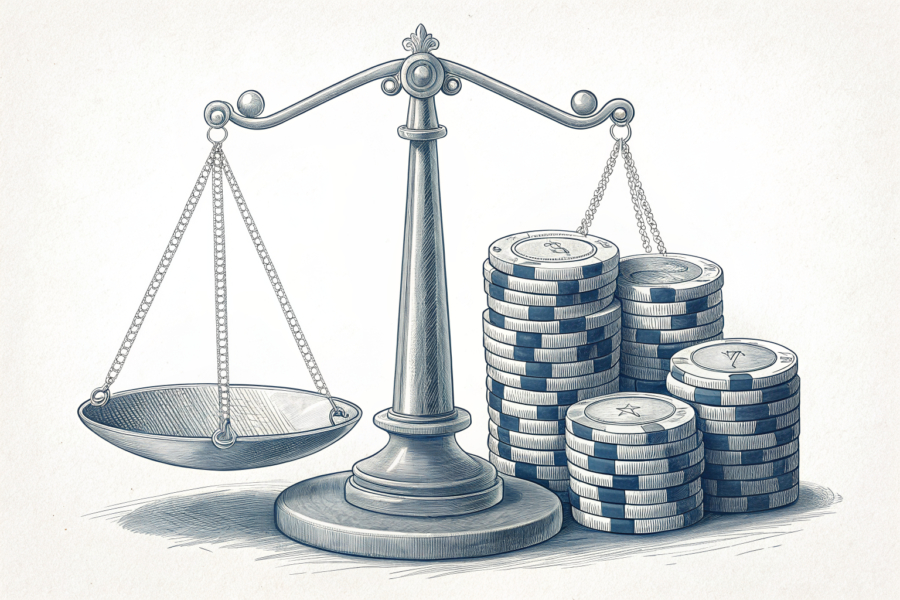
As reported by the Irish Times, the regulator stated in correspondence sent to Minister for Justice Jim O’Callaghan in March that it had received only around half of the funding it requested for 2026. Although the authority intends to become self-financing within three years, it sought €26m from Ireland’s 2026 budget but was allocated €13.35m.
The authority warned that the gap would have “a significant impact” on the pace at which it can regulate gambling in Ireland, “thereby lessening the impact that it will have in the short term”. It warned that the allocation granted would make it impossible to advance all of its planned regulatory initiatives for an industry it estimates generates between €12bn and €14bn in annual turnover.
The regulator said it had “regrettably reached the decision that a number of key objectives … will need to be deferred or reduced in scope due to the shortfall in resources allocated”.
The launch of the new licensing framework for online gaming in Ireland, which includes online casinos and slot games, has been pushed back. The authority confirmed last week that there had been “some delays due to resources” in launching the process and said registration systems for operators are expected to go live early next year.
The regulator also cautioned that its ability to police the sector would be constrained, saying it would have “very limited capacity and capability” for compliance and enforcement activities. This would require it to “de-prioritise measures to tackle extraterritorial black-market monitoring on enforcement”, limiting its ability to address unlicensed gambling operators based outside Ireland. It also warned that insufficient regulation could complicate Ireland’s efforts to meet standards set by the international Financial Action Task Force.
Despite the challenges, a spokesperson said enforcement work has begun. The regulator reported that dozens of operators, including two major prediction markets and an international online gambling platform, have blocked access for users in Ireland.
The authority said it had been able to achieve this by reallocating staff and resources, alongside an additional €2.8m provided by the Department of Justice in early August. Earlier in the year, it had also sought permission from the department to retain millions of euro collected through application fees paid by betting operators. However, it said that securing adequate funding remained a matter of “fundamental importance”.
A Department of Justice spokesperson said there remained a “strong and continuing commitment” to support the regulator, while noting that it is responsible for managing its own operations. The department also pointed out that the regulator’s 2026 funding allocation represented a 92 per cent increase compared with the previous year. “The authority is entitled to make a case for resources, as is the case for any organisation that is publicly funded,” it said.