

Brazil’s regulated reality: How operators and tech providers are preparing for 2026
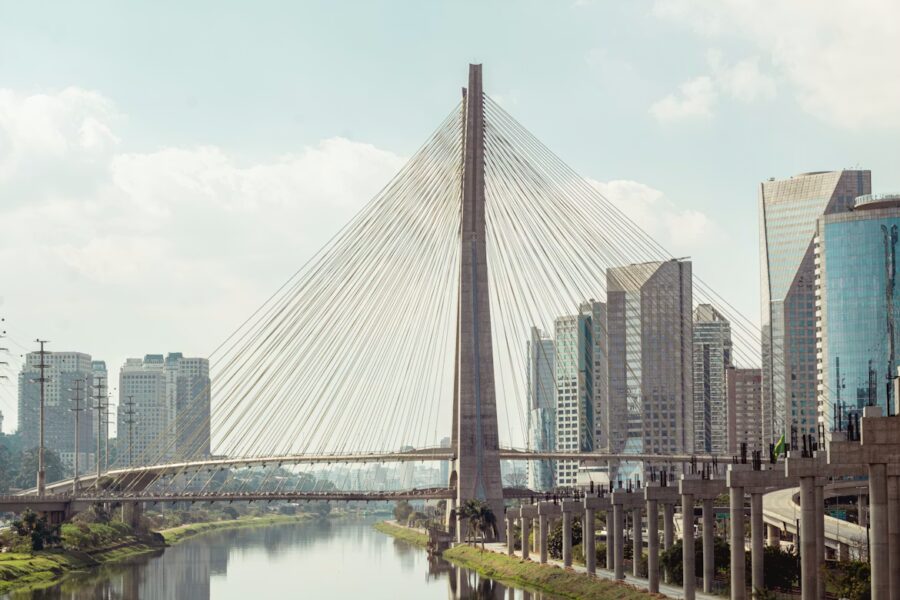

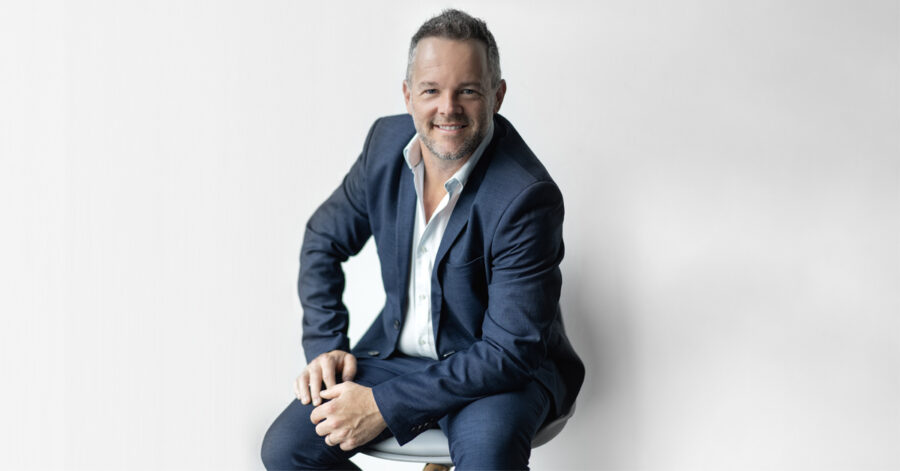
Pedro Nicolau, Country Manager Brazil at BetWarrior, and Dario Leiman, Head of Business Development in Latin America at SOFTSWISS, discuss the realities of Brazil’s regulated igaming market and the outlook for 2026.
Exclusive interview.- Brazil’s igaming market has entered a new chapter. With regulation now in force, the country has firmly established itself as one of the world’s top five igaming markets, and its focus has shifted from speculation and forecasts to real-world execution.
To understand where the market stands today and where it’s heading, we spoke with Pedro Nicolau, country manager Brazil at BetWarrior, and Dario Leiman, head of business development LatAm at SOFTSWISS. In November, BetWarrior and SOFTSWISS became partners, bringing together an operator’s and a technology provider’s perspective on Brazil’s day-to-day business realities.
What topics and trends shaped the industry conversation in Brazil this year?
Pedro Nicolau: This year was defined by the consolidation of Brazil’s newly regulated market. The focus moved away from debating what the rules might look like toward understanding how those rules are applied in practice.
Enforcement has become the central topic, particularly the fight against illegal operators, the blocking of unauthorised websites, and the strengthening of supervisory mechanisms. These raised compliance standards now differentiate operators that are really committed to secure and responsible gaming.
Another major discussion point was taxation. As the sector began generating visible tax revenue, it naturally attracted more political attention. This led to debates around possible adjustments to the tax burden and how funds should be allocated. That kind of discussion is normal for a newly regulated industry, but it also created uncertainty that operators had to carefully manage.
Overall, 2025 was less about aggressive expansion and more about credibility, structure, and building a sustainable, regulated ecosystem.

Dario Leiman: From my side, I can say that 2025 was the year Brazil stopped being a “future opportunity” and became an operational reality. My conversations with operators quickly shifted from launching fast to maintaining stable performance under real regulatory pressure.
What stood out most was how interconnected everything became. It’s no longer possible to look at any decision in isolation. Enforcement impacted payments, advertising rules influenced acquisition strategies, and taxation began to affect product and long-term planning. We now know that the GGR tax rate will gradually increase from 12 per cent today to 15 per cent in 2028. This forces operators to think several years ahead, not just about margins, but about sustainability.
How has regulation changed the way operators approach their business?
Pedro Nicolau: Regulation forced operators to professionalise every layer of the business. Compliance, responsible gaming, KYC, fraud prevention, and reporting are no longer “back-office topics”; they directly affect brand perception and long-term viability.
At the same time, regulation helped differentiate serious operators from those who were never prepared to play by the rules. This differentiation creates a more transparent environment for players, encouraging competition based on product quality and trust.
Dario Leiman: I completely agree. Regulation reshapes priorities. In Brazil, operators quickly realised that launching fast is important, but staying live and competitive is even more critical.
For technology providers like SOFTSWISS, this meant investing early in certification and local readiness. Today, we have our products fully certified in Brazil, including the Game Aggregator, Casino Platform, Sportsbook, and Jackpot Aggregator. We provide an entire infrastructure that can adapt to evolving regulations and support efficient operations under tightening economic conditions.
No one wants to constantly fix compliance gaps. The operators’ goal is to focus on growth and player experience. For them, the fewer vendors, integrations, and overall uncertainty, the better. That’s what we kept in mind when entering the LatAm region.
What challenges should operators prepare for in 2026?
Pedro Nicolau: 2026 will be a sensitive year, mainly because it’s an election year in Brazil. During elections, igaming’s high visibility tends to attract heightened public and political focus. This can lead to stronger rhetoric, proposed changes to regulation, and possible new restrictions, especially concerning taxation and advertising.
One proposal that raised concern was the idea of applying a 15 per cent levy on player deposits. Measures like this risk making the regulated market less attractive to players and pushing them toward illegal operators. That would harm everyone: licensed operators, partners, sports clubs, and the State itself.
The key challenge will be ensuring that regulatory decisions strengthen the legal market rather than unintentionally undermining it.
Dario Leiman: From a regional perspective, 2026 will test resilience, and Brazil is not alone here. Other Latin American markets are also watching Brazil closely to adjust their frameworks based on its experience. We see similar dynamics in Peru, where SOFTSWISS products are also certified.
This is where planning becomes critical. And that’s exactly why SOFTSWISS released its 2026 iGaming Trends report last November. It provides insight across key areas such as regulation, tax pressure, advertising limits, and how markets respond over time. We wanted to help operators understand patterns, so they can prepare for multiple scenarios instead of reacting after the fact.
Where do you see opportunities despite the regulatory pressure?
Pedro Nicolau: Even with uncertainty, the outlook remains positive. Regulation creates consolidation, which benefits operators with a strong compliance culture and long-term strategy. We already see this happening in Brazil.
There is also a shift toward competing on user experience, technology, and retention rather than pure acquisition volume. Operators that invest in responsible gaming, smooth payments, and reliable platforms are building stronger brands that can weather regulatory shifts.
Dario Leiman: I would add that technology becomes a growth enabler in this phase. When operators are confident in their tech stack and uptime, they can focus on optimising content and engagement mechanics. For example, in Brazil alone, more than 20 operators are already live with the SOFTSWISS Game Aggregator. This shows that confidence in compliant and reliable software directly translates into faster growth.
Brazil is also a mobile-first market, opening up opportunities for casual gaming, fast-paced betting formats, and cross-product synergies. We believe these trends are particularly relevant for Latin America, where player behaviour continues to evolve rapidly.
How should operators think about strategy going into 2026?
Pedro Nicolau: First of all, I’m sure the next year will reward discipline and professionalism. The biggest risk for operators is not regulation itself, but poorly calibrated decisions. That’s why strategy in 2026 must be long-term and data-driven. Quick wins are less relevant in a regulated environment. What matters is sustainability.
Operators should engage in dialogue. Mature markets emerge when regulators and the industry communicate using real data. It’s the only way to build trust between operators, regulators, and players. That process is already underway in Brazil, and it’s something we should protect.
Dario Leiman: For me, the keyword is balance. Speed still matters, but in a regulated market, it can’t come at the expense of long-term vision. Operators need to balance growth with compliance, innovation with responsibility, and ambition with realistic planning.
In fast-moving markets like Brazil, that balance starts with strong foundations. Investing in compliance, reliable technology, and player trust is what enables businesses to scale confidently.
This is also where structured industry insights become valuable. Tools like our Trends report give operators a broader view of where the industry is heading globally and how those shifts apply locally. It’s this understanding of context that makes the difference between reacting late and planning ahead. After all, challenges turn into opportunities only when they are addressed strategically and with long-term intent.
By Focus Gaming News Editorial Team