


UK PM hints that gambling tax rise may be on the way

Labour MPs argue that the proposed tax rise would help reduce child poverty.
UK.- When think tanks the Social Market Foundation and Institute for Public Policy Research (IPPR) proposed raising British gambling taxes, their argument was that the additional funds would allow the government to reduce child poverty by lifting the current two-child benefit cap.
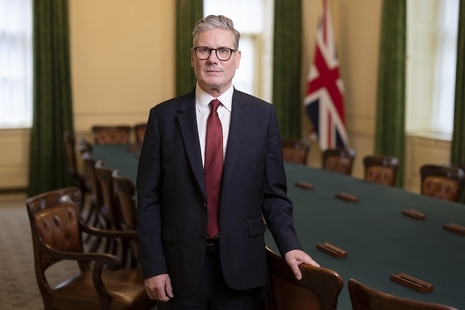
There’s no firm confirmation on whether the tax rise is finally on the cards, but prime minister Sir Keir Starmer has strongly hinted that the child benefit cap will be scrapped in the Autumn Budget later this month. Since it’s been estimated that such a measure would cost £3bn, it seems likely that the proposed rise in gambling tax is being considered to help pay for it.
Speaking to ITV, Starmer said: “We won’t have to wait much longer, but I wouldn’t be telling you that we’re going to drive down child poverty if I wasn’t clear that we will be taking a number of measures in order to do so.”

Meanwhile, former PM Gordon Brown has reiterated his support for a tax rise. Speaking to Sky News, he said: “We tax cigarettes at 80 per cent, we tax alcohol at 70 per cent, but the online gambling tax is 21 per cent. So there’s a big case for change,”
Brown said gambling operators “could well afford to pay a tax – and I want that money to go to child poverty.”
He added: ”So, move the money from, if you like, the bad, by taxing it,” he said. “And put it to good, which is children taken out of poverty.”
The proposal, supported by over 100 Labour MPs and the entire Liberal Democrat Party, is to increase remote gaming duty for online casinos from 21 to 50 per cent, slot machines games duty from 20 to 50 per cent and general betting duty on non-racing bets from 15 to 25 per cent. The IPPR estimates that such a change could raise £3.2bn, which would cover the cost of lifting the child benefit cap.
However, the gambling sector has warned that a tax rise could be counterproductive if it drives more revenue to the unlicensed market. the industry lobby group the Betting and Gaming Council has highlighted the experience in the Netherlands, where the regulator, the KSA, has said that the Dutch gambling tax hike has actually led to a decline in tax revenue.