Dutch regulator agrees that gambling tax hike has been counterproductive


The KSA has confirmed that tax revenue has fallen since the rate was increased at the start of the year.
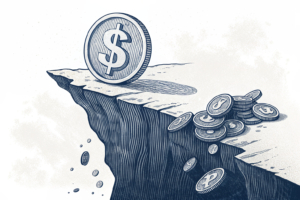
The Netherlands.- The Dutch gambling regulator Kansspelautoriteit (KSA) has confirmed that in its view the rise in Dutch gambling tax has backfired. Its impact assessment into the effect of the tax rise has supported its earlier warning that the move could actually lead to a drop in tax revenue.
The Dutch gambling tax rate was hiked from 30.5 per cent to 34.2 per cent from January 1, and it’s due to rise further to 37.8 per cent in 2026. But tax revenue in the first half of the year actually declined, according to the regulator’s figures.
While the aim was to increase state revenue to the tune of €202m by 2028, the report found that so far it has had the opposite effect. Due to various developments, gross gaming revenue (GGR) decreased in both the online and the land-based market in the first half of the year. As a result, tax revenues have decreased despite the increase in the tax rate.
“The increase in the gambling tax means that gambling providers must take measures to maintain their profitability,” the KSA notes. This can be done in various ways, for example by reducing costs or increasing income. In the land-based part of the market, the possibilities for this are limited, the KSA says. It therefore fears that “the tax increase will cause further problems for this part of the market in particular”.
The regulator noted a year-on-year decrease of 9 per cent in the number of gaming venues in the first quarter of 2025, accelerating the average decline of 6 per cent per year observed between 2020 and 2025.
As for the online gaming market, GGR has also been affected by the introduction of measures such as new deposit limits. However, the KSA believes that online operators have “slightly more room to absorb the decline” since they have more opportunities to adjust payout percentages and reduce other costs.

KSA chairman Michel Groothuizen expressed concern about the findings. “The measures we have taken to offer players more protection have made it more difficult for providers financially,” he said. “This has led to a decrease in GGR for the entire market.
“As a result, the revenue from gambling tax has also decreased. The KSA had already indicated before the introduction of the increase in the gambling tax that this would be the effect. A financially driven measure such as gambling tax is at odds with the policy objective of offering players more protection. If we want to be able to offer players a protected gaming environment in the future, this presupposes serious responsible providers. A financially healthy legal market is essential for this.”
The report comes just as former prime minister Gordon Brown proposes a rise in gambling tax in the UK. He cited the Netherlands as an example of one of the countries with a higher tax rate on gambling.
By Focus Gaming News Editorial Team