UK Lords call for blanket gambling advertising ban
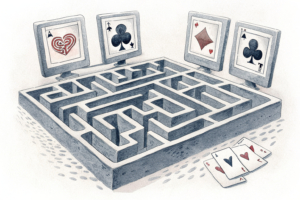
Peers argue that UK gambling advertising rules increasingly make it an outlier in Europe.
Key takeaways:
- A House of Lords committee wants a near-total UK ban on gambling advertising, arguing the UK is an outlier internationally.
- Supporters cite recent research from the LHGP and argue that advertising restrictions would reduce gambling participation and social harm.
- The proposal faces industry opposition, with concerns about boosting the black market and reducing sponsorship income for sports clubs amid growing political and regulatory pressure on the gambling sector.
UK.- Members of the House of Lords Liaison Committee have called for a comprehensive ban on gambling advertising in the UK. The intervention follows a study from the Local Health and Global Profits (LHGP) research consortium and campaigning by local government authorities.
The committee pointed to restrictions introduced in other countries, arguing that the UK has become a “comparative outlier” in its approach to gambling advertising. It highlighted the Netherlands, where there’s already a ban on non-targeted gambling ads and proposals now under consideration for a blanket ban. Led by Lord Foster of Bath, chair of Peers for Gambling Reform (PGR), the committee argues that “gambling should be tolerated but not stimulated”.
“Up to a million and a half people in Britain experience problem gambling and the serious consequences this has on them, their families and the wider community,” Lord Foster said. “A ban on most gambling advertising would reduce gambling and therefore reduce problem gambling and the serious harm it causes. We are clear that this would shrink, rather than grow, the gambling sector and that this would make a positive difference to millions of people across the country.”
The proposal would reverse key provisions introduced under the 2005 Gambling Act. Before that legislation came into force, television and radio advertising was largely limited to bingo, football pools, the National Lottery and social lotteries.
The debate comes as the Department for Digital, Culture, Media and Sport (DCMS) continues consultations on a ban on unlicensed gambling sponsorshipin sports as part of efforts to combat illegal gambling activity. While the Lords committee acknowledged concerns about the growth of the black market, it argued that such concerns should not prevent tougher restrictions on licensed operators.
“The Committee recognises that stronger action is needed to tackle unregulated gambling, but was unconvinced by claims that restrictions on advertising by licensed operators will lead to displacement of customers to the illegal market,” the committee said. “Concerns over the illegal market must therefore not be a barrier to addressing the clear harms generated by the licensed sector.”
While the DCMS has not previously demonstrated strong support for broad restrictions on advertising by licensed gambling companies, new Prime Minister Andy Burnham has been more critical of the sector and previously campaigned for restrictions on gambling ads at the local level. He’s also talked up plans to axe the aim to permit rule to give authorities more power to block gambling venue applications.
The Lords report also referenced comments from former Gambling Minister Baroness Twycross, who said the government’s objective was “to act in the public interest to tackle gambling harm and work with the regulated sector to make it as safe as possible”. Responsibility for gambling policy has since passed to Vicky Foxcroft in her role as DCMS Parliamentary Under-Secretary of State.
Lord Foster has long campaigned for tighter restrictions on gambling ads and has tried to tag measures on to other legislation, most recently the Sports Events Bill, without success. He cited estimates from the Sheffield Centre for Health and Related Research suggesting that a 10 per cent reduction in consumer gambling expenditure could increase gross value added by £1.25bn and create 22,000 jobs.
Government sentiment turning against gambling?
The latest calls arrive against a backdrop of increasing regulatory and fiscal pressure on the betting industry. The government is considering a rise in Machine Games Duty for Chancellor John Healey’s Autumn Budget. Such a move would follow a rise in Remote Gaming Duty from 21 per cent to 40 per cent and an increase in General Betting Duty from 15 to 25 per cent due to come into force in April 2027.
Industry figures argue that higher tax burdens have already reduced profit margins and marketing budgets, potentially increasing the risk that consumers turn to unlicensed operators. It’s argued that an outright advertising ban could narrow the visibility gap between legal and illegal gambling firms at a time when black-market bookmakers are becoming increasingly prominent on social media platforms.
This week, the Betting and Gaming Council (BGC) renewed that warning, estimating that around £8m could be wagered with illegal betting operators during the 250th staging of the St Leger festival at Doncaster Racecourse.
Any tightening on advertising restrictions could also have implications beyond gambling firms. Gambling sponsorship remains a significant source of income across British sport. A ban on gambling advertising could have substantial financial consequences, particularly for lower-league football and other sports including rugby league, snooker, darts and boxing.
The English Football League’s long-standing partnership with Sky Bet is one prominent example, while many Championship clubs rely on betting-related commercial agreements. The Premier League has banned front-of-shirt deals, but clubs still have major sponsorship deals with gambling operators with other placements.