


Researchers call for complete gambling advertising ban in Britain
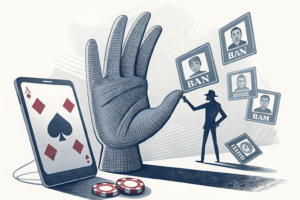
Academics say the proposed ban on unlicensed gambling sponsorship should be expanded to all gambling advertising across all channels.
Key takeaways:
- The Local Health and Global Profits (LHGP) consortium has urged ministers to extend proposed restrictions to licensed operators and all gambling advertising channels.
- It argues that exposure to gambling advertising is linked to higher participation and gambling-related harms, and warns that companies could shift spending online through targeted digital ads, algorithms and “nudge” tactics if only sponsorship rules are tightened.
- The research consortium wants a fixed start date before the 2027/28 football season.
UK.- A leading UK gambling research consortium has called on the British government to widen proposed restrictions on sports sponsorship. Responding to the Department for Digital, Culture, Media and Sport’s (DCMS) consultation on prohibiting sponsorship by unlicensed gambling firms, the Local Health and Global Profits (LHGP) consortium argues that any ban should also apply to licensed gambling companies and online channels.
Based at the University of Bath, the LHGP said the DCMS’s existing proposal represented a positive and “necessary step”. However, the group maintained that ministers should take broader action “to go further to meaningfully reduce gambling-related harm”.
The LHGP is a five-year initiative launched two years ago as a £9m research programme funded by UK Research and Innovation (UKRI). It brings together academics and researchers from several institutions, including the universities of Bath, Cambridge, Edinburgh and Sheffield.
The DCMS consultation closed on September 9, and the government has yet to announce its conclusions. The licensed gambling sector has generally supported the proposal to ban unlicensed gambling sponsorship, with the lobby group, the Betting and Gaming Council (BGC) pushing for swifter action on the issue. Entain, the owner of Ladbrokes and Coral, had been urging a voluntary ban in football, writing directly to 10 Premier League clubs involved in sponsorship arrangements with unlicensed bookmakers during the 2026/27 season.
Despite those efforts, such partnerships have continued. Everton still has a high-profile deal with Stake, which lost its British Gambling Commission licence last year, although the logo now appears on kit sleeves due to the Premier League’s voluntary ban on all front-of-shirt gambling logo placements. More recently, Sunderland AFC announced a sponsorship agreement with Shuffle, a cryptocurrency-focused online casino that does not hold a UK licence.
The LHGP consortium, however, sees all gambling advertising as a concern. It argues that research has shown sustained exposure to be linked to increased gambling participation and gambling-related harms, including higher suicide rates among vulnerable individuals and younger audiences. It wants a complete ban on licensed and unlicensed gambling ads across all channels.
As part of its submission, the group drew attention to what it described as the “balloon effect”, whereby gambling companies shift marketing expenditure into alternative channels when restrictions are imposed in a particular area. On that basis, it has recommended that policymakers consider extending any future restrictions to online and digital advertising platforms as well as physical sponsorship placements.
“Digitalisation has transformed gambling marketing, allowing companies to use data-driven targeting, algorithms and ‘nudge’ tactics that are barely touched by current policy and that give operators disproportionate power to drive habitual gambling,” the consortium stated.
The proposal is likely to prompt debate over practicality and enforcement. Regulators in multiple jurisdictions have long sought stronger measures against unlicensed gambling advertising online, but monitoring and removing such content often requires cooperation from major technology platforms.
Timeline for unlicensed gambling sponsorship ban
The LHGP is also calling on the government not to accept any delay to the implementation of the current proposal on unlicensed sponsorship. It wants a fixed start date ahead of the 2027/28 football season. It cited research suggesting that in the opening weekend of the English Premier League alone, over 27,000 gambling messages were identified, with more than 5,000 in a single match. This equates to around a third of the live broadcast containing at least one gambling advert, it said.
Dr Nason Maani, Deputy Director of LHGP, said: “The gambling industry, like other health-harming industries before it, has a well-documented history of using delay and lobbying tactics to weaken or block regulation that threatens its commercial interests. Government must ensure the timeline for introducing this ban is not diluted or delayed by industry pressure.”