


Legislators call for further gambling advertising restrictions in Bulgaria to close loopholes
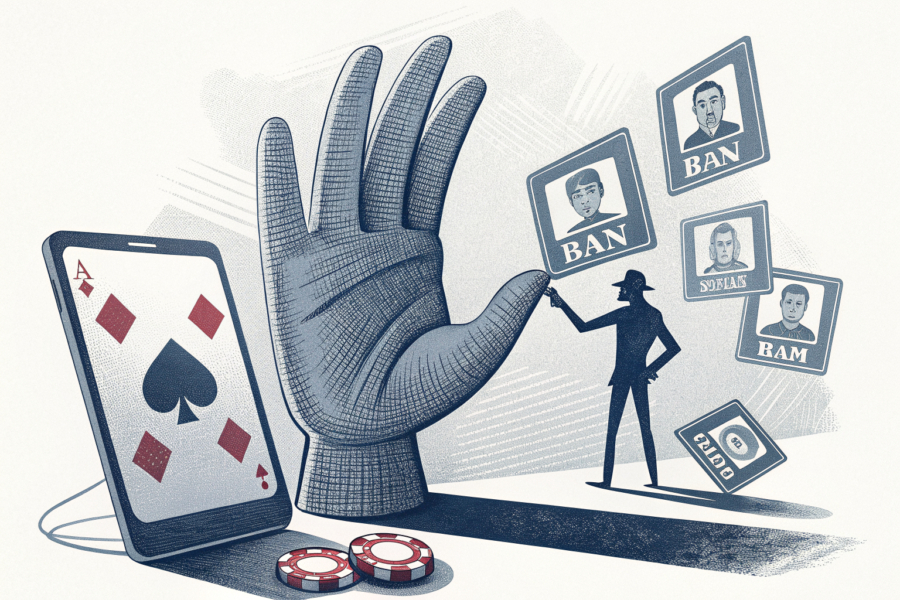
Lawmakers claim that loopholes are allowing operators to evade the ban on gambling advertising in Bulgaria.
Bulgaria.- The We Continue the Change party has renewed calls for tighter restrictions on gambling advertising in Bulgaria. It’s proposing a review of marketing rules to address what it says are loopholes left behind by previous reforms. Yes, Bulgaria, part of the Democratic Bulgaria coalition, has said that it will table a draft bill proposing a more complete ban.
The centrist parties haves repeatedly advocated for stricter controls on the industry. Earlier in July, We Continue the Change urged Prime Minister Roumen Radev’s government to introduce tougher advertising measures before the adoption of the country’s 2026/27 Budget. That proposal was rejected by Deputy Finance Minister Lyudmila Petkova, who said the government was instead preparing a comprehensive review of the Gambling Act, which has already resulted in the introduction of a licensing framework for gambling affiliates in Bulgaria.
Bulgaria’s gambling laws were substantially tightened in 2024 with stricter licensing requirements, enhanced player protection measures and tougher limits on gambling promotion. Operators were banned from including bonuses and other player incentives in advertising materials, while outdoor advertising was restricted to billboards located at least 300 metres from schools and other educational institutions and gambling advertisements were prohibited across television, social media, radio and print media.
The loopholes in Bulgaria’s gambling advertising ban
However, the broadcast of 2026 FIFA World Cup on Bulgarian National Television (BNT) reignited debate over the effectiveness of the regulations. During coverage of the tournament, operators frequently aired campaigns promoting franchise opportunities and inviting partners to open bookmaker outlets under their brands. Although these campaigns were not directly targeted at consumers, the operators’ branding received extensive exposure during prime-time television broadcasts.
The issue has also been amplified by the close association between gambling companies and major sporting competitions. Bulgaria’s top football division operates as the Efbet League, while gambling brands also sponsor the MrBit Second League and the annual Sesame Cup. Several of these competitions received significant exposure during World Cup broadcasts, alongside references to the tournament’s official betting partner, Betano.
According to Bulgarian National Radio, We Continue the Change’s draft proposals include a complete ban on outdoor gambling advertising, extending to billboards, public transport shelters and building facades, with an exemption for land-based gambling venues. The proposals would also limit gambling logos on adult sports kits to a maximum size of 10cm by 10cm, prohibit product placement in all forms of media content and require responsible gambling warnings to occupy at least 10 per cent of any permitted advertisement. Under the proposal, these warnings would have to be clearly displayed using black text on a white background.
Although gambling harm warnings are already mandatory, critics contend that some operators have reduced their visibility by using lettering that blends into the background of billboard advertisements.
We Continue the Change chairman Assen Vassilev said: “We need to seal off the legislative loopholes, such as product placement not being treated as advertising. This is an obvious loophole being used. This also goes for the branding of gambling operators not being treated as advertising when you add ‘League’ at the end of it.
“When it comes to online advertising, we have a very good example. Currently, the European Union forbids any type of political advertising across all social media, which has led to companies like Facebook and Google to self-regulate in order to remain compliant. Let’s start working in that direction. We’ve spoken to our European MEPs about implementing such an EU-wide measure for gambling as well, so that neither Facebook nor Google can allow online marketing when the user is located in a Member State.”