



Frederico Caputi: Altenar: “The first year of regulation in Brazil brought much-needed structure and clarity to one of the world’s most promising betting markets”
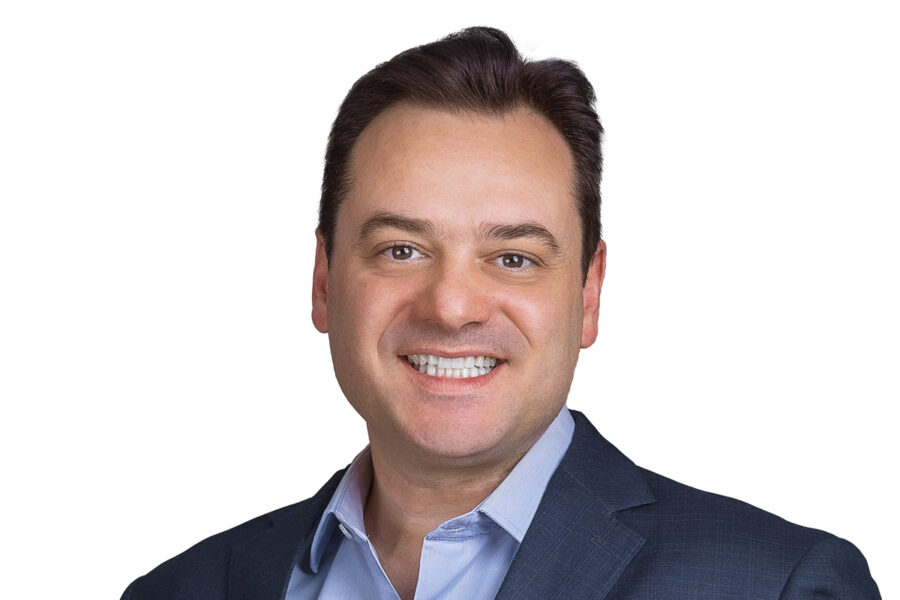

As Brazil’s online betting market marks its first anniversary under regulation, Altenar Sales Manager Frederico Caputi shares insights on industry maturity, localisation strategies and the wider opportunities emerging across Latin America ahead of SBC Summit Rio.
Exclusive interview.- As SBC Summit Rio approaches, Brazil’s regulated betting market enters a new phase of consolidation and strategic development. In this exclusive interview with Focus Gaming News, Frederico Caputi, sales manager at Altenar, reflects on the market’s first year under regulation, the shift towards long-term, compliance-driven models and the importance of local presence in strengthening partnerships. He also discusses the tools operators will need to remain competitive and the expansion opportunities unfolding across Latin America.
SBC Summit Rio is approaching as Brazil’s regulated online market passes its first anniversary. How do you see the developments over the past 12 months?
The first year of regulation in Brazil brought much-needed structure and clarity to one of the world’s most promising betting markets. We’ve seen operators shift from short-term acquisition strategies to more sustainable, compliance-led growth models. While there have been inevitable operational challenges, the market is maturing quickly, with improved product standards, responsible gambling frameworks and a stronger focus on long-term player value rather than pure scale. The industry is also generating significant public revenues and helping to increase the employment opportunities available to Brazilians in many different roles.
Altenar recently expanded its team in Brazil. How is that helping to build your presence in the market?
Expanding our local team and having people on the ground allows us to work more closely with operators, respond faster to regulatory and commercial requirements, and adapt our product to local player behaviour. It also strengthens relationships with partners and regulators, ensuring we’re not just operating in Brazil, but genuinely embedded in the ecosystem. Many operators are looking to move quickly to make the most of the new opportunities and we are well-positioned to support them.
You have partnerships with several local operators – how are you helping them compete in the new market?
Our focus is on giving local operators the tools and flexibility to compete with well-funded international brands. That means offering a highly customisable sportsbook, strong localisation across sports, content and UX, and risk management tools that allow operators to balance growth with margin protection. We work closely with partners to ensure they can differentiate while remaining fully compliant in a regulated environment, and we offer a level of support that we believe is unmatched in the industry.
“Our focus is on giving local operators the tools and flexibility to compete with well-funded international brands.”
Frederico Caputi, Altenar Sales Manager.
What tools will brands need to keep ahead as the market evolves?
As competition intensifies, brands will need advanced personalisation, real-time data insights and high-risk and player management tools. Advanced trading systems can ensure high profitability and protect margins, while a flexible tech stack that allows rapid localisation and product iteration will be essential. Just as important is responsible gambling technology, which is becoming a key differentiator rather than a regulatory checkbox. Operators that can combine innovation with compliance and player protection will be best positioned for long-term success.
“Advanced trading systems can ensure high profitability and protect margins, while a flexible tech stack that allows rapid localisation and product iteration will be essential.”
Frederico Caputi, Altenar Sales Manager.
Do you see opportunities in other Latin American markets?
Absolutely. Markets across Latin America are at different stages of regulation, but the direction of travel is clear. Countries such as Peru, Argentina, Colombia and Mexico continue to offer strong opportunities, while others are moving closer to formal regulation. The key is understanding that each market is unique – success depends on local knowledge, adaptable technology and strong partnerships rather than a one-size-fits-all approach.
By Focus Gaming News Editorial Team