Betting is part of British culture, gamblers say


A new survey has been carried out as part of the opposition to proposed UK gambling tax reforms.
UK.- Nearly three-quarters of gamblers believe that betting is a distinctive part of British culture. That’s according to a new poll carried out by YouGov for the Betting and Gaming Council (BGC). The industry lobby group commissioned the survey as part of its campaign against proposed reforms to UK gambling tax.
The survey found that 74 per cent of regular bettors believe the activity is a distinctive part of British culture, which the BGC says underlines the role regulated betting and gaming play in the social and economic fabric of the UK.
The survey also revealed broader public concerns about government overreach, with 31 per cent of respondents saying they believe the government has too much influence over how individuals spend their disposable income.
What is the UK government’s gambling tax proposal?
The UK Treasury wants to unify the current three separate tax categories of gambling tax – Remote Gaming Duty, General Betting Duty, and Pool Betting Duty – to create a new single Remote Betting and Gaming Duty (RBGD).
While this would simplify the taxation system, it’s likely to mean that horseracing betting operators pay more tax. The current Remote Gaming Duty, which covers online slots, poker, bingo and similar, is levied at 21 per cent of gross profits on a place of consumption (POC) model. General Betting Duty varies depending on vertical: fixed-odds betting is taxed at 15 per cent, sports spread betting at 10 per cent, and financial spread betting at 3 per cent. Pool Betting Duty is charged at 15 per cent on gross profits, applicable to sports pools only (excluding horse and greyhound racing).
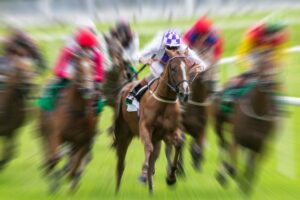
The BGC says the increased costs for traditional horseracing betting could harm a “cherished national pastime” and also push more customers to the unregulated gambling black market, where it says 1.5m Brits already stake up to £4.3bn each year.
However, the body again criticised the British horseracing “strike” – the sector’s decision to suspend racing fixtures on September 10 as a form of protest against the government’s plans. It stresses that BGC members were not consulted on the move despite the fact that their funding for the sport is “mission critical”.
Betting and Gaming Council CEO Grainne Hurst, said: “Punters are clear, betting is not just a leisure activity, but a valued and long-standing part of Britain’s cultural and sporting landscape. From casinos to bingo, horseracing, football, rugby league, darts, and snooker, millions of adults enjoy betting safely and responsibly each month.
“BGC members are proud to support jobs on the high street, invest in local communities and grassroots sport, and contribute billions in taxes to fund essential public services.
“However, these significant cultural and economic contributions are now at risk. Any further increase in taxation on regulated betting and gaming operators will hurt punters and drive even more towards the illegal, online black market, which pays no tax, supports no jobs, contributes nothing to British sport, and offers no safer gambling protections.
“We want to work with racing and the Government constructively to get the balance right and prevent further tax rises, which will only undermine racing’s revenues and threaten investment in the sport, already a more expensive and less profitable product for operators.
“Only balanced regulations and a stable tax regime can safeguard consumers, secure jobs, and ensure betting and gaming continues to be a responsible, growing sector, and a proud part of Britain’s cultural heritage.”