


Betting sector blasts British horseracing industry’s “futile” strike over tax reforms
The British Horseracing Authority has cancelled races in protest at government proposals.
UK.- Industry stakeholders are divided over the strategy to fight the UK government’s planned gambling tax reforms. While both the gambling sector and British horseracing have expressed opposition to plans to create a new unified Remote Betting and Gaming Duty, a decision to reschedule racing fixtures is drawing criticism.
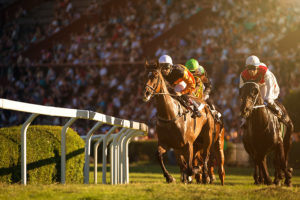
The British Horseracing Authority (BHA) launched its #AxeTheRacingTax campaign and petition last month, but it’s since stepped up its action by calling a strike for September 10. Scheduled race fixtures at Lingfield Park, Carlisle, Uttoxeter and Kempton Park have been cancelled, marking the first time in the history of British racing history that the sector has taken such action.
However, the betting sector is not enthused by such a drastic move. The Betting and Gaming Council said in a statement: “Racing’s decision to reschedule fixtures was taken without consultation with betting operators, whose support for the funding of the sport is mission critical. We are concerned that futile political gestures will only antagonise the Government and frustrate punters instead of delivering a solution to a shared challenge facing both racing and betting.
“We want to work with racing constructively to prevent further damaging tax rises, as any new tax rise on any part of betting or gaming can only undermine racing’s revenues and threaten investment in the sport – already a more expensive and less profitable product for operators. At the same time, higher costs and avoidable disruption risk driving customers to the unsafe, unregulated black market, which pays nothing to racing or the Treasury and offers no protection for consumers.
“The regulated betting and gaming industry contributes £6.8bn to the economy, generates £4bn in tax and supports 109,000 jobs. Crucially, our members provide £350m a year to racing, alongside vital funding for other sports. Put that at risk, and it is customers and communities across the country that lose out.”
The UK Treasury’s proposal is to unify the current three separate tax categories – Remote Gaming Duty, General Betting Duty, and Pool Betting Duty – into a new single Remote Betting and Gaming Duty (RBGD).
The current Remote Gaming Duty, which covers online slots, poker, bingo and similar, is levied at 21 per cent of gross profits based on a place of consumption (POC) model. General Betting Duty varies depending on vertical: fixed-odds betting is taxed at 15 per cent, sports spread betting at 10 per cent, and financial spread betting at 3 per cent. Pool Betting Duty is charged at 15 per cent on gross profits, applicable to sports pools only (excluding horse and greyhound racing).
The BHA argues that research suggests the change could cause a £330m revenue hit to the horseracing industry in the first five years, with 2,752 jobs at risk in the first year if the tax changes go through. It says that Yorkshire alone, home to nine racecourses including Doncaster and York, could suffer a £37m economic hit in the first five years, with 342 jobs immediately at risk, from trainers and stable staff to local pub owners and hospitality workers.