


S&P Global warns policy shifts could deepen credit divide across Asia-Pacific gaming sector
Regulatory uncertainty and abrupt government intervention in key gaming markets could affect credit ratings, a new S&P Global Ratings report warns.
S&P Global Ratings has warned that sudden policy changes pose a growing challenge for gaming in Asia and Pacific. In its report, “Asia-Pacific Gaming: Policy Risks Could Widen Credit Quality Gaps” abrupt changes to taxation, licensing conditions, operating requirements or anti-money laundering measures could disproportionately affect companies with limited balance sheet flexibility.
The report notes that operators with diversified revenue streams, stronger liquidity positions and lower leverage are likely to be better equipped to absorb policy shocks. Conversely, those with concentrated market exposure or elevated debt levels may face greater pressure on their credit metrics should governments introduce stricter regulations or alter concession terms.
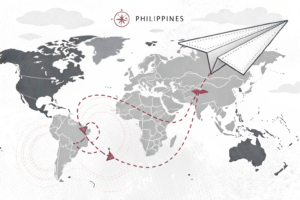
S&P identified varying risk profiles across the region’s major gaming jurisdictions. In Macau, gross gaming revenue growth is expected to moderate amid softer demand and tougher year-on-year comparisons, although visitation levels and premium mass play remain supportive. Meanwhile, casino operators in Australia and New Zealand continue to navigate a more stringent regulatory environment. It said the Philippines could benefit from supportive visa policies and a recovery in online gaming activity while Singapore and Malaysia are expected to see modest gains driven by tourism and ongoing asset enhancements.
The agency emphasised that policy-related risks are unlikely to affect all operators equally, suggesting that credit quality across the sector will become increasingly polarised. The ability of gaming companies to adapt to changing policy environments is expected to play a central role in determining long-term credit strength.