


Nextier calls for tighter gambling rules in West Africa
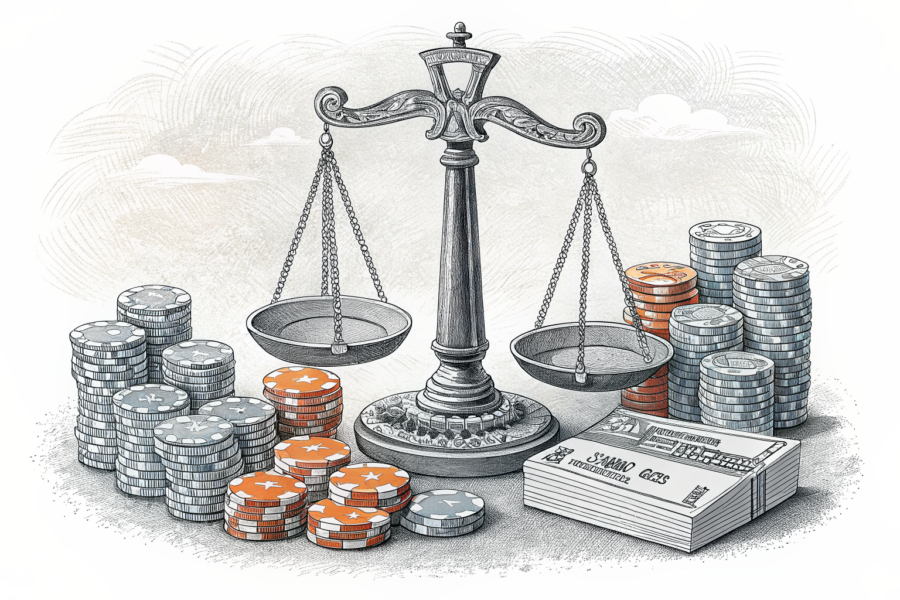
The report linked gambling-related debt with wider economic pressures affecting young people, while cautioning against treating betting as a direct cause of crime.
Nigeria.- Policy think tank Nextier has called for tighter gambling oversight, stronger player protection measures and expanded youth employment programmes as Nigeria, Ghana and Sierra Leone respond to the growth of betting in low-income communities.
The recommendations are contained in the latest Nextier Policy Weekly, authored by Joshua Biem, senior policy and research analyst, and Olive Aniunoh, legal, policy and research consultant.
The analysis identified unemployment, underemployment, weak social protection and urban marginalisation as factors contributing to gambling participation among young people. It said betting can become a way of seeking additional income in communities where formal employment opportunities are limited.
Nextier also linked gambling-related debt and financial pressure with wider concerns around youth restiveness and some forms of crime. However, it said that the available evidence does not establish that betting directly causes criminality, noting that more detailed crime and geographic data would be needed to prove such a relationship.
The report cited Nigeria’s gambling market at up to $3.63bn in revenue in 2025, with more than 60 million Nigerians reportedly betting regularly. Ghana’s online gambling market recorded estimated gross wins of $903.5m during the same year, while Sierra Leone has a less developed regulatory framework.
To address the concerns, Nextier recommended harmonising gambling regulations to strengthen enforcement and close gaps that can be exploited by unlicensed operators. The authors called for mandatory, independently verified age and identity checks, alongside restrictions on the density and location of betting outlets in low-income communities.
They also suggested intelligence-led monitoring of betting clusters where there is documented evidence of debt-driven theft, fraud or cultism. According to the report, regulators, law enforcement agencies and financial intelligence units should share information to identify such risks more effectively.
Nextier further urged development organisations and civil society groups to expand livelihood programmes, vocational training and financial literacy initiatives in slums and peri-urban communities. The authors said these measures should address the economic conditions that can encourage young people to rely on gambling as an alternative source of income, rather than focusing only on gambling behaviour itself.
For operators, the report recommended stronger responsible gambling protocols, including self-exclusion registries, spending limits and advertising codes designed to prevent campaigns from targeting economically vulnerable young people. Nextier said Ghana’s emerging advertising-vetting model could provide a basis for strengthening such measures.
The report concluded that gambling should be addressed as part of a broader policy response to youth unemployment, economic insecurity and weak social protection, with regulators, operators, law enforcement agencies and development organisations sharing responsibility for reducing associated risks.