


Mauritius enacts gambling law overhaul with new digital licences and betting controls
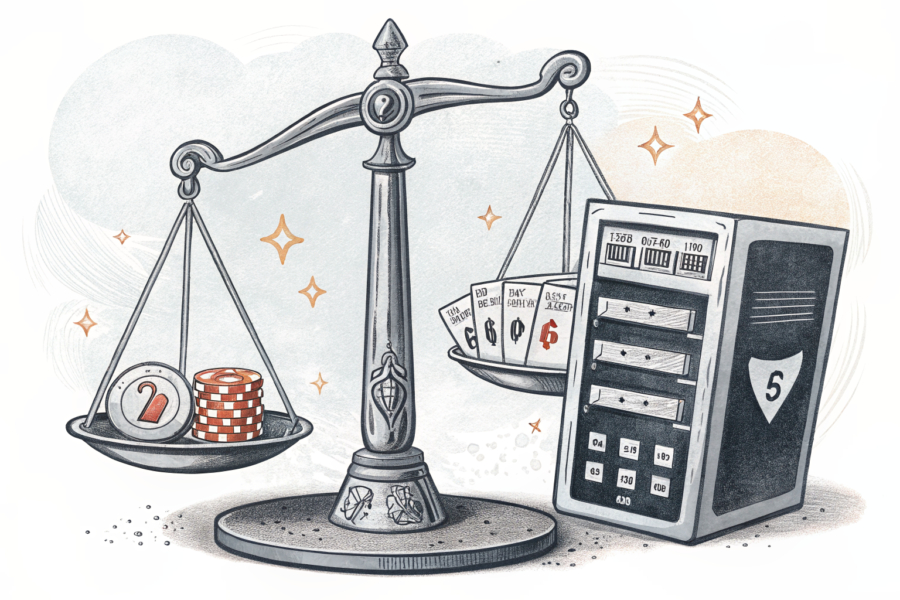
Finance Act 2026 moves gambling reforms from proposals into law, introducing B2B and B2C licences, tighter monitoring and stronger responsible-gambling rules.
Mauritius.- Mauritius has enacted a broad gambling law overhaul, introducing new digital licences, tighter monitoring, revised licensing rules and stronger responsible-gambling controls.
The changes are set out in the Finance Act 2026 (Act No. 14 of 2026), Republic of Mauritius, which received presidential assent on August 12, 2026. Section 6 amends the Gambling Regulatory Authority Act, covering online and land-based gambling, with the Gambling Regulatory Authority (GRA) referred to as the “Authority” in the Act.
The reforms build on proposals reported in July, covering digital gaming, electronic monitoring, hotel casino licensing and wider compliance changes.
The Finance Act 2026 is now law, with specific gambling provisions phased in during 2027: betting-platform supplier licensing from March 1 2027, while specified licence application and renewal changes take effect from July 1, 2027.
One of the most significant changes is the introduction of B2B and B2C interactive gambling licences. A B2B licence covers the supply of interactive gambling products, services or technology to B2C licensees, while a B2C licence covers operators offering interactive gambling services directly to consumers, including online casinos, sportsbooks and other betting platforms.
No interactive gambling licence can be issued unless the applicant is a company incorporated in Mauritius and has paid the applicable licence fee. Applications must also include a non-refundable processing fee, while the Board may issue directives and guidelines for interactive gambling operations.
The Act also changes the rules for betting-platform suppliers, requiring a person providing a betting platform to licensed bookmakers to be licensed by the Authority.
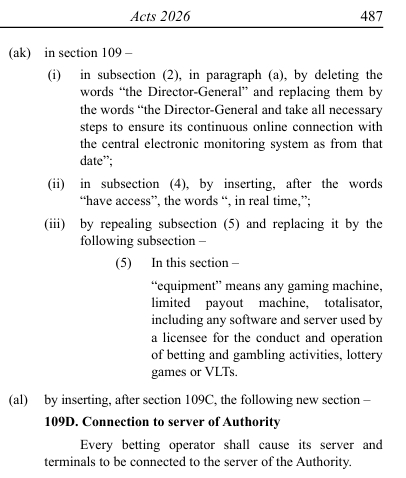
The legislation strengthens electronic monitoring. Betting operators must connect their servers and terminals to the Authority’s server, while the Act requires continuous online connection to the central electronic monitoring system and real-time access to connected equipment.
Digital gambling faces tighter controls
Digital gaming is brought further into the regulatory framework. Digital games on gaming machines and the digital gaming platform must be certified by a gaming laboratory approved by the Authority, while rules covering casino and gaming-house games are expanded to include their digital versions.
The framework sets new fees for interactive gambling. A B2C licence carries an annual fee of €30,000 plus 3 per cent of gross gambling yield, while the B2B licence carries an annual €20,000 fee. Ancillary services are subject to a €5,000 annual fee, with a non-refundable €5,000 processing fee for an interactive gambling licence application.
Licensing procedures will also be tightened from July 1, 2027. The Authority will have to notify applicants of the outcome of a full and complete application within 28 days. Once a renewal application is granted, the applicant will have 10 days from notification to pay the applicable licence fee or instalment. Failure to submit a renewal application will attract a penalty of 25 per cent of the licence fee or MUR100,000 (€2,000), whichever is lower.
The legislation restructures the Authority’s internal framework, creating dedicated divisions for licensing and supervision, gambling inspection and enforcement, AML/CFT, information technology and innovation, responsible gambling and communications, and internal affairs.
Betting and gaming software used to record betting transactions must be certified by a recognised gaming laboratory and registered with the Authority. Limited payout machine operators are also restricted to no more than 20 outlets and eight machines per outlet.
The legislation strengthens responsible-gambling controls and introduces new self-exclusion requirements for operators. The Act also removes the separate legal definitions of hotel, hotel casino, hotel casino game, hotel casino gaming machine and hotel casino operator, changing the previous framework for hotel-based casino operations.