


5 Leaders – 1 Question: How can Europe balance tighter gambling advertising rules with high channelisation?
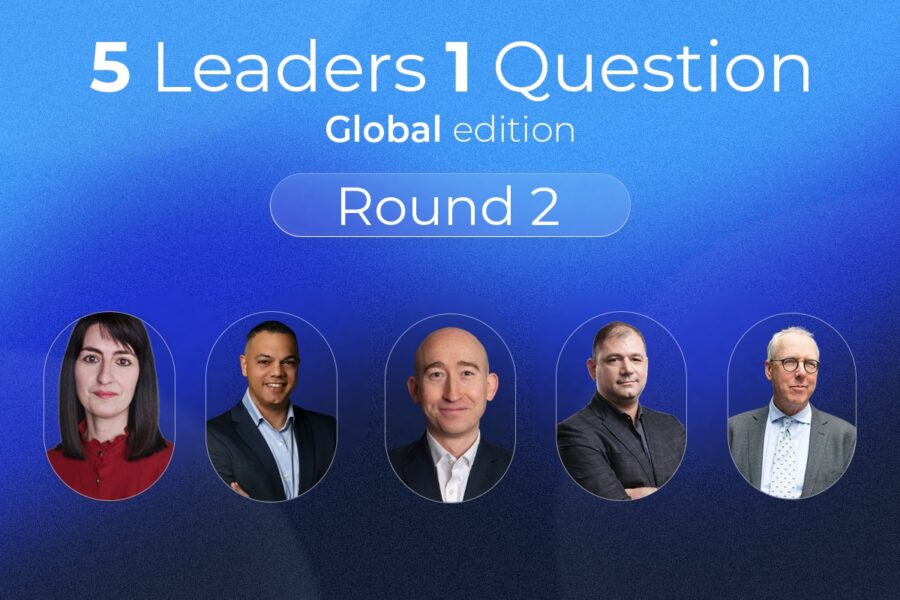

Five leading figures share their views on Europe’s stricter gambling advertising rules and the main challenge regulators face in balancing player protection with high channelisation to licensed operators.
Key takeaways
- BGC members in the UK commit 20% of TV, radio and digital advertising to safer gambling messaging; yet WARC data suggests unregulated operators now account for close to half of UK gambling advertising spend, with that share expected to become the majority within two years.
- In the Netherlands, tighter advertising restrictions coincided with a significant fall in channelisation and a rise in illegal social media advertising, according to industry observers.
- Montenegro’s introduction of a near-complete gambling advertising ban, combined with a 12% tax on player winnings, contributed to a decline in revenues for legal operators and growth in the illegal market within the first months of implementation.
- Legal experts note that VPNs and cryptocurrency are making enforcement against unregulated operators increasingly difficult, independent of advertising rules.
- The consensus among the five experts is that advertising restrictions must be accompanied by strong enforcement against illegal operators, without which restrictions on legal operators simply shift demand to unregulated alternatives.
Special report.- Across Europe, gambling advertising is under growing pressure. In markets such as Britain and the Netherlands, tighter rules have already raised concerns about whether restrictions can be made tougher without weakening channelisation to licensed operators.
In this new edition of “5 Leaders – 1 Question”, Focus Gaming News brought together five industry figures to discuss a central question: How can European regulators strike the right balance between stricter gambling advertising rules and maintaining high channelisation to licensed operators, especially as more countries move towards “restricted” or near-ban regimes?
The participants are Grainne Hurst, CEO of the Betting and Gaming Council (BGC); David Yatom Hay, general counsel at Soft2Bet; Andy Danson, head of media, entertainment & sport at Bird & Bird; Filip Knežević, president of the Association of Gambling Operators of Montenegro within the Chamber of Economy of Montenegro; and Michel Groothuizen, chairman of the Executive Board of the Netherlands Gambling Authority (Kansspelautoriteit).
Proportionate rules
For Grainne Hurst, the key is to ensure that advertising rules remain proportionate and evidence-based.
She notes that advertising in Britain’s regulated betting and gaming sector is already subject to strict rules, with safer gambling messaging displayed regularly and prominently. BGC members, she says, “commit 20 per cent of TV, radio and digital advertising to safer gambling. At the same time, licensed operator advertising is declining while illegal operators are increasing their presence, particularly online, without the same standards or safeguards.
Hurst points to research from WARC suggesting that unregulated operators now account for close to half of UK gambling advertising spend, with that share expected to become the majority within two years. For her, the central point is that if restrictions go too far, consumers will shift from the regulated market into unregulated environments where protections are weaker. She says: “Keeping customers within the regulated system is what ultimately supports higher standards, stronger oversight and more effective consumer protection.”
Player protection and routing
David Yatom Hay argues that Europe cannot be treated as a single market, because regulatory approaches differ significantly across jurisdictions.
He says advertising restrictions should focus on “protecting minors, preventing misleading messaging and supporting broader consumer safeguarding objectives.” In his view, the primary goals are player protection and harm prevention, with consumer routing serving as one of the key tools available to achieve these objectives by keeping players inside a system where appropriate safeguards apply.
Yatom Hay warns that “placing restrictions on marketing does not, by itself, address the full range of responsible gambling considerations, nor does it necessarily prevent vulnerable players from accessing online casino offerings.” He adds that in some mature jurisdictions, reducing advertising has not eliminated demand and may have encouraged migration towards unlicensed or alternative offerings.
He says: “Balance is therefore a proportional alignment between restricting harmful or excessive market exposure and preserving sufficient visibility to ensure that consumer demand is directed towards focused markets. Consumer routing, in turn, is not a passive market outcome but a measurable objective that depends on the effectiveness of advertising governance and enforcement intensity. This, together with the attractiveness of the licensed framework compared to alternatives operating in the market, is a key determinant of whether channelisation is effectively sustained in practice.”
For him, a calibrated, risk-based approach to advertising restrictions would need to be adopted, combining targeted limits on high-risk channels and vulnerable audiences with robust enforcement and clear safe gambling messaging standards. He adds: “‘Balance’ in practice would mean maintaining sufficient, visible access to sustain channelisation while avoiding overexposure that drives harm.
“Channelisation needs to be treated as an active managed outcome that is continuously monitored rather than assumed as a by-product of governance.
“In practical terms, this would typically involve differentiated advertising controls based on risk. For example, ‘stricter limits on broadcast and influencer marketing’ versus more ‘controlled channels’, enhanced monitoring of compliance and consumer exposure, and clearly defined obligations on licensed operators to deliver consistent safer gambling messaging requirements.”
Competition and enforcement
For Andy Danson, the challenge begins with the commercial reality of new regulated markets.
He says that when a market opens, regulated operators are under pressure to advertise heavily in order to win market share quickly. “Even where the content of that advertising is compliant with the rules, we have seen this lead to a backlash against gambling advertising from the public and from politicians, which in turn leads to pressure on regulators to do something about it,” he says.
Danson believes regulated operators must still be allowed to advertise, subject to appropriate safeguards, if regulatory objectives are to be achieved. He argues that the unregulated market is “a clear threat to the integrity of regulated markets” and that, from a consumer’s perspective, the right to advertise is one of the few visible differences between licensed and unlicensed operators.
Without advertising, he says, regulated operators will struggle to compete effectively, especially when they already face increasing regulatory and tax burdens. He also warns that VPNs and cryptocurrency are making enforcement against the unregulated market more difficult.
Evidence from Europe
Filip Knežević says the main problem in much of Europe, including the Balkans, is “the lack of balance between player protection and the sustainability of legal operators.”
He argues that when advertising rules are too restrictive and their real effects are not properly monitored, illegal operators can expand quickly. That makes it harder for players to tell licensed and unlicensed operators apart and weakens channelisation to the regulated market.
Knežević points to the Netherlands and Sweden as examples of what can happen when advertising restrictions become too severe. In his view, the Netherlands saw a significant fall in channelisation and a rise in illegal social media advertising, while Sweden experienced growth in the grey market and weaker competitiveness among licensed operators. He says Montenegro is seeing similar effects: “With the introduction of an almost complete ban on gambling advertising, together with new taxes directly targeting players through a 12 per cent tax on winnings without any tax-free threshold, as well as significant administrative barriers and AML requirements, the illegal market has started to grow. This has been accompanied by aggressive promotion by illegal operators through social media, influencers and platforms such as KICK and similar channels. Already in the first months of implementation, these measures have contributed to a decline in revenues for legal operators and, consequently, in state budget revenues.”
For him, the answer is gradual restrictive measures combined with continuous monitoring, strategic action against the illegal market, payment blocking, DNS/IP blocking and closer cooperation with banks, fintech firms and digital platforms. He says: “Legal operators must remain competitive. Registration and transactions should be fast and simple, while fully compliant with regulations, and the tax burden should be proportionate to the objective of player protection. Excessively high taxes, especially those aimed directly at players, only push consumers towards the grey market.”
Dutch caution
Michel Groothuizen takes a more cautionary view, warning that tighter advertising rules can reduce channelisation.
He says that at the Ksa, there is concern that tougher gambling advertising rules will make it harder for new players to find licensed offers in the Dutch market. Illegal operators, by contrast, will continue advertising, including via social media. “Since we aren’t in charge of this legislation but can only supervise it, it is up to European regulators to keep an eye on the effects of advertising bans on channelisation and toughening up in the battle against illegal operators. That also means fighting illegal ads on social media even harder,” he says.