


Greek gambling regulator seeks legal and technical partner to enhance player monitoring
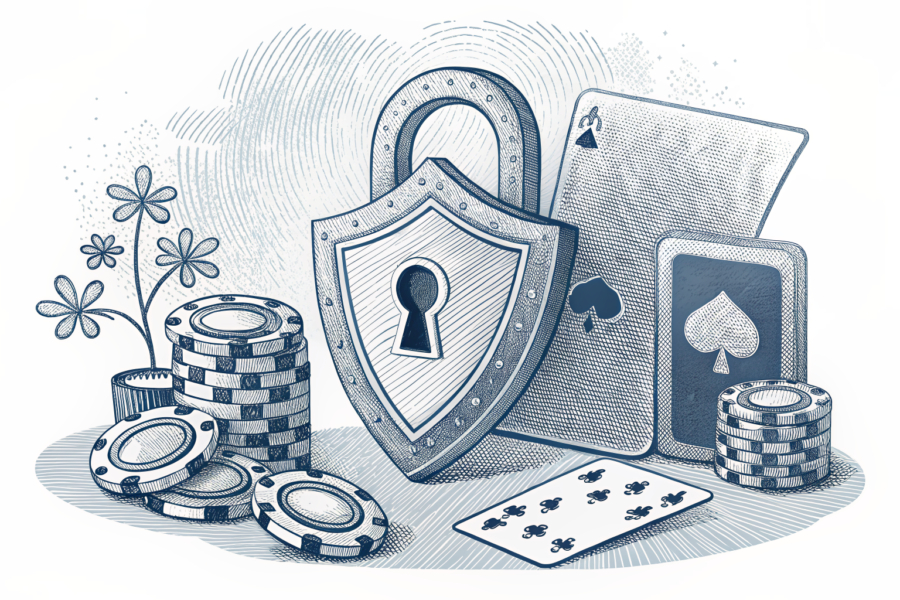
The EEEP wants to improve the system for verifying Greek gamblers’ identities.
Greece.- The Hellenic Gambling Supervision and Control Commission (EEEP) has opened a tender process as it seeks a partner to help strengthen player monitoring for the country’s regulated online gambling market. The project is part of a plan to tighten supervision of the market by reinforcing player identification systems, anti-money laundering (AML) protections and cybersecurity protocols.
The tender relates to an initiative to redesign the framework governing Electronic Player Accounts (EPAs), which are used to verify and track participants. A new technical structure is expected to enhance Know Your Customer (KYC) procedures to ensure licensed operators can better guard against fraud, financial crime and underage play.
The tender documents specify that the EEEP is seeking a technical and legal partner for the design and improvement of the framework for the secure identification of gambling players as well as “the process of certification and verification of the identity of players..
The selected contractor will provide also legal expertise until the end of 2026, or up to 190 hours of consultancy, under a contract worth €28,500. Over the course of the engagement, three progress reports will be delivered, outlining proposals to strengthen Greece’s player verification regime.
Proposed new powers for Greek gambling regulator
This tender marks another step in efforts to reinforce regulated gambling oversight in Greece while curbing the influence of the black market. Last month, draft legislation was passed to overhaul gambling regulations in Greece. The bill would expand the EEEP’s permanent staff from 80 to 110 to allow new hires in enforcement, IT and cybersecurity, and market surveillance and intelligence.
The regulator would also gain powers to immediately block illegal gambling sites, while the blacklist of banned operators will now cover not only websites, domains and IP addresses but also mobile applications. New rules also apply to promoters, intermediaries, and service providers who facilitate access to gambling. This covers influencers, affiliate marketers, website owners, internet cafés and ISPs that fail to block access, while banks will be required to block transactions linked to unlicensed gambling operators.
Organisers of unlawful gambling could face prison terms of at least 10 years and fines ranging from €50,000 to €700,000. More severe cases, such as those involving organised crime, minors, or repeat offenders, could result in fines up to €800,000 and prison sentences exceeding 10 years, particularly for offences tied to money laundering, fraud or tax evasion.
The EEEP recently lodged criminal complaints against 18 influencers and streamers that it accuses of promoting unlicensed betting platforms in a significant escalation in the country’s crackdown on illegal online gambling promotion.