US lawmakers introduce bipartisan bill to restore full gaming loss deduction


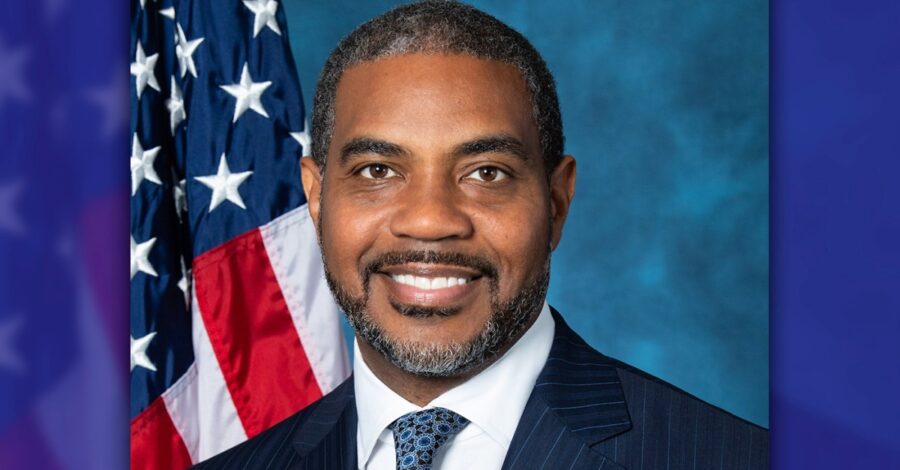
Two members of the House of Representatives, Steven Horsford and Max Miller, have filed the FULL HOUSE Act to allow taxpayers to deduct wagering losses in full.
US.- US lawmakers have introduced bipartisan legislation to restore the rule allowing gamblers to deduct 100 per cent of their losses against their winnings. Steven Horsford of Nevada and Max Miller of Ohio have filed H.R. 6985, known as the Facilitating Useful Loss Limitations to Help Our Unique Service Economy (FULL HOUSE) Act.
Steven Horsford said that for decades, the Internal Revenue Code allowed taxpayers to deduct gaming losses up to the full amount of their winnings. However, the “Big Beautiful Bill” reduced that deduction to 90 per cent. “This change threatens Nevada’s gaming industry, its tourism sector, and broader economic activity,” he said.
Horsford added that the FULL HOUSE Act restores the original rule, allowing losses from wagering transactions to be deducted in full, “ensuring tax liability reflects actual economic reality”.
Section 165(d) of the Internal Revenue Code allowed US taxpayers to deduct all gambling losses up to the amount of their winnings, which meant they paid no tax if they broke even from gambling. But starting in 2026, gamblers will only be able to deduct 90 per cent of their losses, which can result in a tax liability even if they make a net loss.
Congressman Horsford said: “Taxing people on money they never actually earned is fundamentally unfair and harmful to Nevada’s economy. This policy would drive tourism across our state elsewhere. There is strong bipartisan agreement that this provision was a mistake, and Congress must act to correct it.”
Congressman Miller added: “The FULL HOUSE Act is about basic fairness in the tax code. Americans should not be taxed on money they didn’t actually take home. By restoring the full deduction for gambling losses, this bill ensures the IRS treats taxpayers honestly and consistently. I’m proud to lead this bipartisan effort with Congressman Horsford, and I urge my colleagues to support this common-sense fix.”