UK council set to introduce stricter rules for gambling premises licences
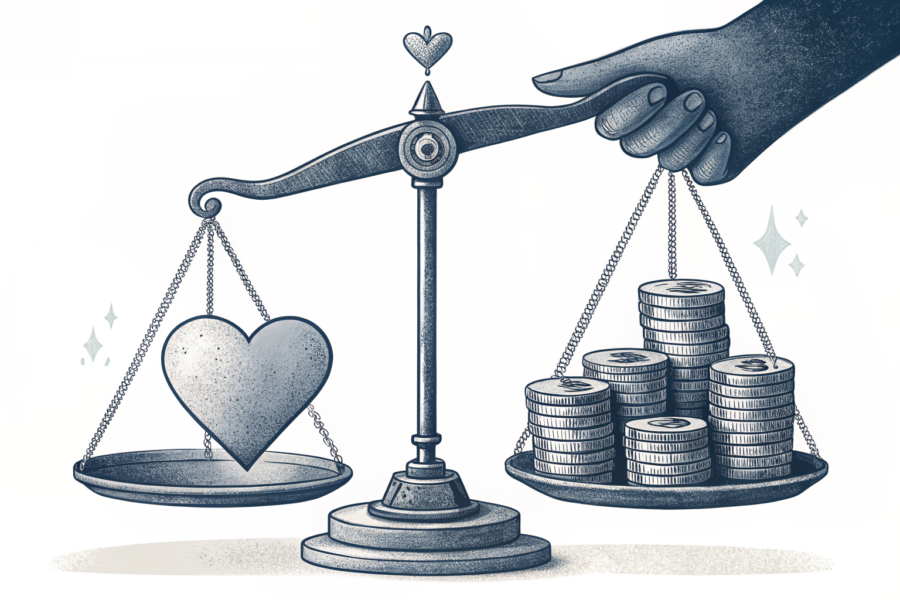
Barking and Dagenham Council intends to revise its gambling policy to prioritise protection for “areas experiencing high deprivation”.
UK.- With the new prime minister Andy Burnham proposing to axe the aim to permit rule for gambling premises in Britain, there are signs of local authorities taking a harder line where they already can. Barking and Dagenham Council in London has said that it intends to introduce stricter rules on how gambling premises licences are issued.
Officials cited by local press say the council intends to introduce a revised gambling policy, which is used to guide councillors and staff when they decide on applications for gambling venues. The new policy will place “more on preventing harm and improving public health” and will prioritise protection for “areas experiencing high deprivation,” officials said.
Council figures show there are currently 42 betting shops, adult gaming centres and bingo halls in the borough, with eleven concentrated in Barking town centre and five around Heathway in Dagenham. The draft policy describes Barking town centre as having “high levels of poverty” and being “the area of the borough with the highest crime rate”, while Heathway is labelled “one of our most impoverished areas”.
An online consultation on plans to revise the policy attracted fourteen responses, which the council said revealed “a significant level of concern about the number of betting shops within the borough”.
One resident commented: “Barking is one of the poorest boroughs in London, one of the most deprived boroughs, one of the boroughs that claims the most benefits, yet everywhere you go in Barking, you see gambling stores. You can’t go 100 metres without coming across a gambling shop, and it’s all being placed there because they know Barking’s one of the poorest boroughs.”
Other respondents urged the council to stop granting new licences or even shut existing shops.
Betting and Gaming Council response
However, the Betting and Gaming Council, represented by law firm Gosschalks, argued that betting shops play a positive role in local economies. Its submission stated: “Betting shops alone support 42,000 jobs on the UK’s hard-pressed high streets, contributing £800million a year in tax to the Treasury and another £60million in business rates to local councils.” It added that the “overwhelming majority” of gamblers “do so perfectly safely and responsibly”.
Council leaders insist they want the policy to “strike the right balance” between supporting the economy and entertainment while protecting residents from gambling harm. They also emphasised a shift from a mainly licensing-based approach to one that focuses on preventing harm and improving public health. Under the proposed changes, businesses applying for new licences would need to demonstrate how they would “mitigate local risks associated with gambling premises, particularly within areas experiencing higher levels of deprivation”.
However, the council acknowledged that, at least while the aim-to-permit rule remains in place, it can only refuse a licence if granting it would undermine statutory objectives. Those objectives include preventing crime and disorder, ensuring gambling is conducted fairly and openly, and protecting children and vulnerable people from harm.
The revised policy will be debated at the licensing and regulatory committee meeting scheduled for Thursday (September 3).
Meanwhile, Bacta, the trade body that represents adult gaming centres, has warned that confidence in the future of the UK’s retail gaming industry and support for the Labour government have plummeted among its members. That’s according to the latest Pulse Survey, in which members expressed concern about the Gordon Brown-backed proposals to raise Machine Games Duty.