


Denmark shifts focus from screen time to loot box risks


The regulator wants parents to understand how gambling-style mechanics are embedded in many popular video games.
Key takeaways
- Denmark’s gambling regulator has launched the “Casino in the Children’s Room” awareness campaign.
- The campaign focuses on loot boxes, random rewards and other gambling-like mechanics in video games.
- Anders Dorph said parents should pay attention to game content and reward systems, not only screen time.
- A Swedish regulator study found that 87 per cent of people who bought loot boxes before age 15 later showed risky gambling behaviours.
- The campaign comes as Denmark advances wider gambling reforms, including stricter limits on advertising aimed at minors.
The Danish Gambling Authority has launched a campaign designed to help parents identify gambling-style features in video games played by children. The initiative reflects growing regulatory concern that mechanics such as loot boxes and randomised rewards may influence attitudes towards gambling from an early age, a topic that is attracting increasing attention across Europe.
Denmark.- The Danish gambling regulator Spillemyndigheden has launched a new public awareness campaign aimed at helping parents understand the gambling-like features increasingly found in video games played by children. The initiative, titled “Casino in the Children’s Room”, seeks to shift the conversation around young people’s gaming habits beyond concerns over screen time and towards the content and mechanics embedded within many games.
A key focus of the campaign is the growing presence of features that mirror elements of traditional gambling, including loot boxes, random reward systems and in-game purchases. According to the regulator, these mechanics are common in many titles aimed at younger audiences.
Anders Dorph, director of the regulator, said parents should pay closer attention not only to the amount of time children spend gaming but also to the systems they encounter while playing.
“The debate about children and digital media is often about screen time. But it’s also important to take an interest in the content of the games and the mechanisms children encounter,” Dorph said.
As part of the campaign, the regulator has released a short film that transforms a child’s bedroom into a casino, highlighting how gambling-inspired themes and reward structures can appear in games designed for younger players. The authority is also directing parents to the information platform StyrPåSpillet.dk, which offers guidance on gaming, gambling-like features in video games, the risks associated with gambling addiction and ways to have constructive discussions with children about their gaming habits.
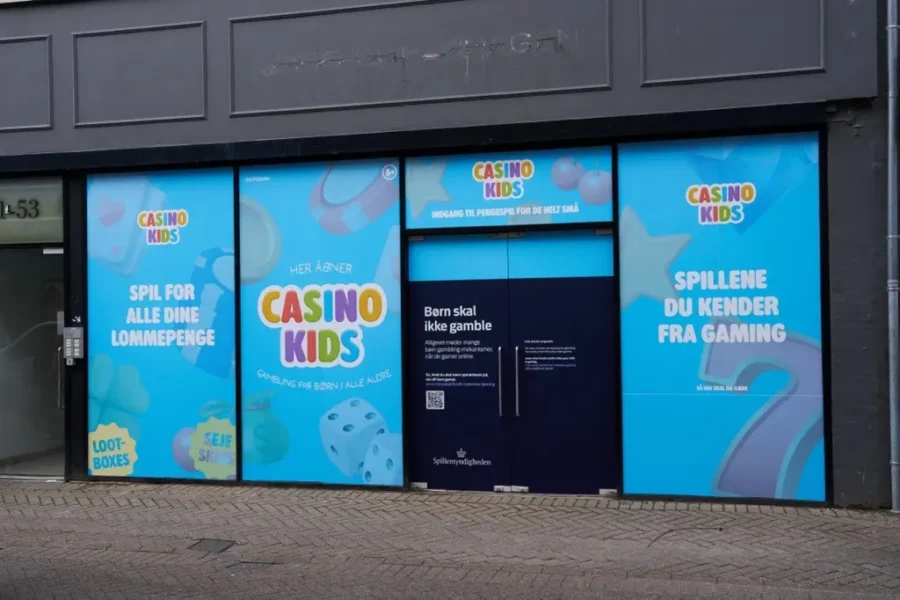
To raise the profile of the campaign, three temporary storefront installations styled as casinos have been created in prominent locations across Denmark. The displays, branded “Casino Kids”, have been installed at Bruuns Galleri in Aarhus, Vestergade in Odense and Købmagergade in Copenhagen. The installations are intended to encourage parents and other members of the public to consider whether the games children play contain gambling-like mechanics.
Denmark isn’t the first country to draw attention to the potential risks associated with such features. Last year, a report from the Swedish gambling regulator, Spelinspektionen, identified an association between purchasing loot boxes as a minor and the development of problematic gambling habits later in life. Among respondents who had bought loot boxes before turning 15, 87 per cent went on to display risky gambling behaviours as adults.
Meanwhile, the government is advancing gambling reforms. Earlier this month, the government announced the resubmission of legislation proposed in October 2025 that would impose new restrictions on gambling advertising in Denmark. The proposed measures include a ban on featuring individuals under the age of 25 in gambling advertisements as well as the prohibition on gambling marketing during live sports broadcasts. The measures, which were introduced by Tax and Growth Minister Jakob Engel-Schmidt, are slated for a phased introduction between January and October of 2027.
FAQs
What is Denmark’s “Casino in the Children’s Room” campaign?
It is a public awareness initiative launched by the Danish Gambling Authority to educate parents about gambling-like features in video games, including loot boxes, random rewards and in-game purchases.
Why is the Danish Gambling Authority focusing on loot boxes?
The regulator says many popular games used by children contain mechanics that resemble gambling. The campaign aims to encourage parents to look beyond screen time and understand these systems.
What did the Swedish study find about loot boxes and gambling behaviour?
The study cited by the campaign found a link between buying loot boxes as a minor and later risky gambling behaviour. Among people who purchased loot boxes before age 15, 87 per cent displayed risky gambling behaviours as adults.
What other gambling reforms is Denmark pursuing?
The Danish government has resubmitted legislation aimed at restricting gambling advertising targeting minors. Proposed measures include banning people under 25 from gambling adverts and prohibiting gambling marketing during live sports broadcasts.