
Gulf Cooperation Council warns Iran conflict could cut tourism by 19 million visitors
GCC tourism ministers met in an extraordinary virtual session to assess the impact of escalating regional tensions, with revenue losses estimated at between US$13bn and US$32bn.
Jasem Albudaiwi, secretary general of the Gulf Cooperation Council (GCC), has warned that rising military tensions in the region could significantly reduce tourist arrivals across member states and weaken tourism revenues.
Speaking during an extraordinary virtual meeting of GCC tourism ministers, Albudaiwi noted that the ongoing Israel-Iran war could lead to a decline of between eight million and 19 million visitors, with estimated revenue losses ranging from US$13bn to US$32bn. He cited data from the Gulf Statistical Centre, which stated that GCC countries received more than 72 million tourists in 2024 and generated about US$120bn in tourism revenue.
The meeting, chaired by Fatima Al Sairafi, Bahrain’s minister of tourism, brought together tourism officials from across the bloc to assess the impact of escalating regional tensions on the sector. Officials called for a coordinated Gulf response to support stability, strengthen confidence, and ensure continuity of tourism activity across member states.
Albudaiwi said the escalation is already disrupting travel patterns, flight connectivity and market confidence in the region’s tourism sector, which remains a key pillar of economic diversification. He urged stronger coordination among GCC countries to stabilise the sector and maintain the region’s attractiveness as a global tourism destination despite rising geopolitical risks.
Ahmed Al-Khateeb, Saudi Arabia’s minister of tourism, also addressed the gathering, reaffirming Saudi Arabia’s commitment to regional cooperation and supporting joint efforts to sustain tourism flows and improve connectivity across the Gulf.
The GCC comprises the UAE, Saudi Arabia, Qatar, Kuwait, Oman and Bahrain, all of which rely on tourism as part of broader economic diversification strategies.
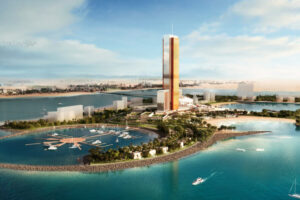
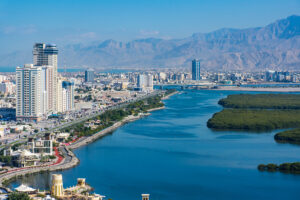
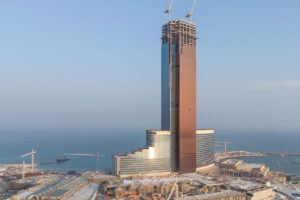
In the UAE, tourism remains a backbone of long-term growth plans, supported by large-scale developments aimed at strengthening the country’s position as a global travel and leisure hub. The most notable of these is the US$5.1bn Wynn Al Marjan Island integrated resort in Ras Al Khaimah, set to become one of the region’s largest hospitality and entertainment developments when completed.