Swedish regulator shines light on origins of unlicensed gambling operations
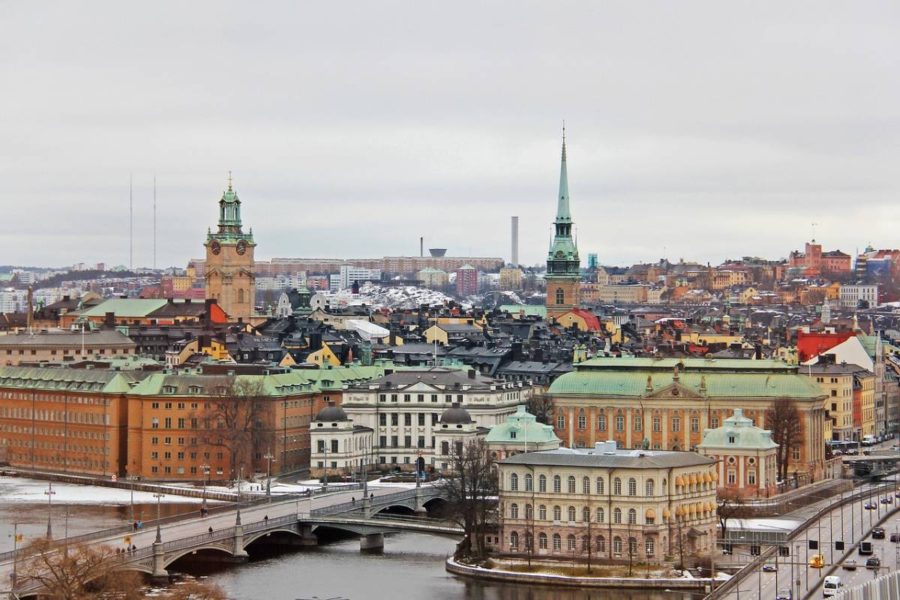
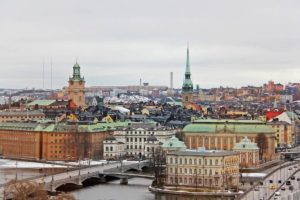
Spelinspektionen’s study finds two jurisdictions responsible for a large share of black market gambling.
Sweden.- The Swedish gambling regulator Spelinspektionen has reported on its latest study into black market gambling in the country. Following a survey conducted last year, it calculates the channelisation to the legal market is 86 per cent but believes that only a small number of players seek out sites that do not have local licences.
“It’s a relatively small group of players, probably fewer than five percent of the total number of players, who demand games that do not have a Swedish gaming licence,” the regulator said.
As for the unlicensed sites chosen by Swedish players, Spelinspektionen points the finger at the Dutch Caribbean island of Curaçao, the Indian Ocean island of Anjouan and skin betting sites
Its data suggests that “third countries” were responsible for 45 per cent of traffic to gambling sites not licensed in Sweden in 2024. Out of this 45 per cent, Curaçao represented 38 per cent of traffic and Anjouan 5 per cent.
Meanwhile, sites operating within Sweden offering skin betting were found to account for 41 percent of traffic to unlicensed gambling sites. A small number of sites represented a large share of this.
Gambling sites based in EU countries represented around 13 per cent of traffic to sites that lacked local licences, and a small amount was lost to sites with no licence at all. The regulator says these sites were marketing aggressively through social media and affiliates.
Spelinspektionen has taken action against several operators based in Curaçao in recent years, issuing cease-and-desist orders and fines. That includes bans issued against Goodwin NV and Small House BV last year. The regulator estimates that 6 per cent of traffic is directed to sites it has already placed banning orders on.
As a conclusion to its report, Spelinspektionen argues that it needs more powers to be able to take action against gambling sites that are available in Sweden but do not have a Swedish licence. It has previously urged the government to close a loophole in the Swedish Gambling Act, which states that only sites that accept Swedish payment platforms or have content in the Swedish language can be considered to be targeting the country’s market.
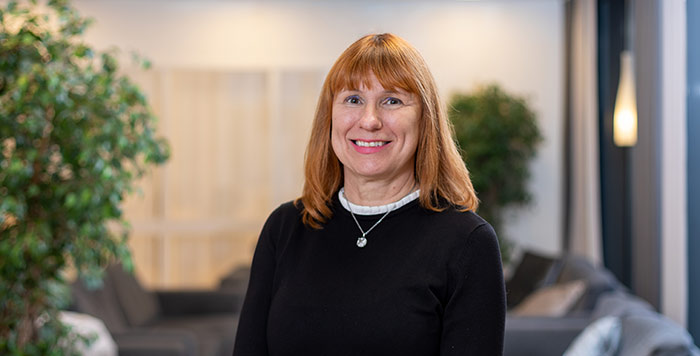
Director general Camilla Rosenberg said: “We welcome the ongoing inquiry into the expanded scope of application, which is to be reported no later than September 17 this year. “Despite the problems with the current scope of application, we believe our interventions, where possible, are important and have an effect. It is therefore important that we continue our work to combat illegal gambling even during the ongoing inquiry into regulations.”
You can see the full report on the Spelinspektionen website.
Regulated gambling in Sweden
The Swedish gambling market was liberalised in 2019, with the introduction of regulated online gambling bringing an end to the monopoly of state-controlled Svenska Spel. The state gambling company continues to exist and to compete on the regulated market, but the government has recently taken the step of announcing the closure of its land-based casino business, Casino Cosmopol. The remaining Casino Cosmopol venue in Stockholm will close by January 1 2026.