“Regulation is bringing to light a market that currently operates in the shadows,” senator Irajá says
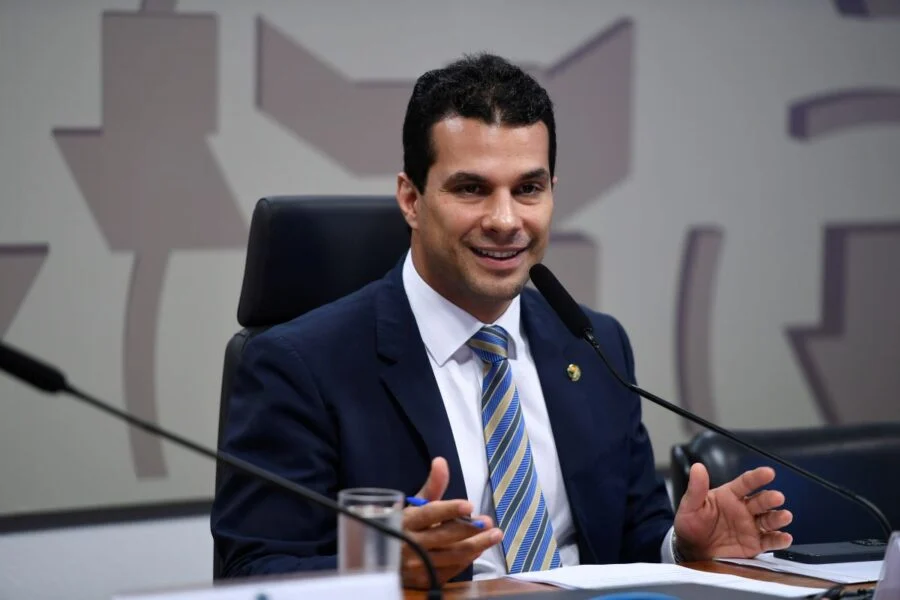
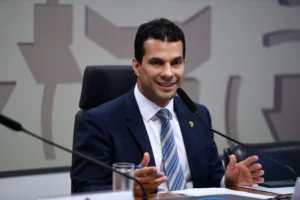
In an exclusive interview with Focus Gaming News, the author of PL 2.234/2022 highlights the potential of regulating the gaming sector to create jobs, attract investment and strengthen the Brazilian economy.
Exclusive interview.- IIrajá Silvestre Filho (PSD-TO), the author of Bill 2,234/2022, which would regulate casinos, jogo do bicho, bingo, and other forms of gambling, spoke to Focus Gaming News to defend the legalisation of the market as a driver of development for Brazil.
IIrajá also detailed how the initiative can create jobs, attract billions in investment, increase income, and lift the informal sector out of business based on successful international models.
How do you assess the potential economic impact of legalising gambling, especially in terms of tax collection, job creation, and attracting tourism investment?
The legalisation of responsible gaming and casinos represents a concrete opportunity to transform Brazil into a new hub for international tourism and also significantly boost our economy. Estimates from entities related to the sector indicate that PL 2.234/22 could generate around 1 million new direct jobs throughout the country.
According to the Ministry of Tourism, a single project aimed at installing integrated resorts could raise close to R$1bn ($178.57m). Depending on the project, we could have up to 33 of these initiatives in Brazil. Therefore, the potential to attract investment for this activity alone is enormous. I believe that no country in the world will waste the opportunity to receive more than R$33bn ($5.89bn) to build these resorts, which will generate even more opportunities and income for society.
It’s worth remembering that integrated resorts go far beyond gaming; they also include hotels, convention centres, cultural venues, restaurants, and leisure activities, boosting tourism, commerce, and regional development. There is also enormous potential to generate revenue for public coffers, resources that can be directly applied to areas such as health, education, and security.
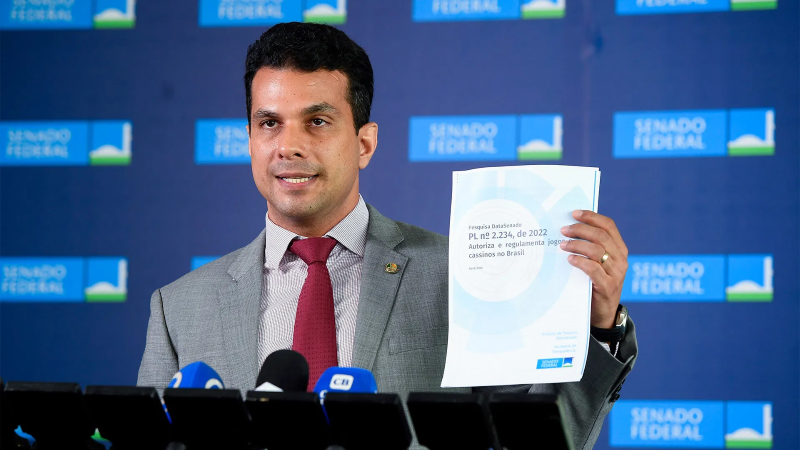
Furthermore, Brazilian society is ready for this move: according to a recent DataSenado survey, 60 per cent of Brazilians are in favour of legalising casinos. The majority understands that the current prohibitionist model doesn’t work and that the country has much to gain from responsible and efficient regulation.
So the question we all ask ourselves is: Are we going to miss this opportunity? Bill 2.234/2022 is an opportunity to transform what is currently irregular into something regulated, controlled, and constructive for the country. It’s a golden opportunity that we cannot pass up.
Opponents of the bill argue that these games could be linked to money laundering, fraud, and organised crime. How can the Brazilian government ensure that these problems don’t occur?
This is one of the main reasons why we need to legalise and regulate the industry. Today, with the ban, what we have is an illegal market, uncontrolled, subject to criminal practices and tax evasion. By regulating, the State begins to exercise strict control over operations, with effective oversight, compliance standards, and accountability obligations.
The proposal we are advocating establishes clear criteria for concession, licensing, and operation. By doing so, we guarantee transparency, transaction traceability, and the fight against money laundering, including with the support of agencies such as the Federal Revenue Service (Receita Federal), the National Tax Authority (Coaf), and the Federal Police. Regulation means shedding light on a sector that currently operates in the shadows.
Is the proposed Brazilian legislation for casinos and other establishments inspired by legalisation models adopted in other countries?
Yes. The bill was built on the best international experiences, which combine economic growth with social responsibility. Examples such as Singapore, Portugal, and the United States show that it is possible to create a legal environment that generates employment, attracts tourists, and at the same time respects ethical and social values.
We were particularly inspired by the integrated resort model, which goes far beyond gaming: they are true entertainment and tourism complexes, with infrastructure for events, accommodations, gastronomy, culture, and leisure. This approach has great potential to transform Brazilian tourist regions and boost their economies.
Jogo do bicho has historical roots in Brazilian culture. Some groups that benefit from it might prefer that gambling remain completely illegal. Has any consideration been given to how the transition from informality to legality will be achieved?
Yes, that point is covered. The proposal creates paths for the regularisation of currently illegal activities, such as jogo do bicho, based on technical, fiscal, and legal criteria. The goal is to formalise these operators, requiring them to be registered, licensed, and comply with the law.
This transition will allow for greater state control, higher revenues, and consumer protection, reducing the risks associated with clandestine exploitation. The DataSenado survey revealed that only 25 per cent of the population believes that the current ban effectively reduces the supply of these games, highlighting the urgency of a new approach.
Could the legalisation of land-based casinos reflect an increase in gambling addiction, especially among low-income populations?
This is a legitimate concern, and the bill addresses this issue responsibly. It provides for the creation of mechanisms to prevent gambling addiction, such as awareness campaigns, access restrictions, treatment programs, and monitoring of addicts.
In addition, companies will be required to adopt responsible gambling policies, including employee training to identify risky behaviours and provide support. What we propose is a modern regulation that recognises risks and acts preventively, unlike the current scenario, where everything happens without any control.
Is there any provision for how the tax revenue from these establishments will be allocated?
Yes, the proposal establishes that revenue will be linked to essential areas for the country, such as public health, education, and security. The goal is for the social return from gambling to be clear, direct, and measurable.
Considering the types of gambling envisioned in the bill, also according to industry entities, the amount collected in taxes would start at around R$27bn ($4.82bn).
Legalisation will allow resources previously diverted to the black market to be used transparently and for the benefit of the population. We argue that these taxes can also strengthen public policies in the areas of tourism, culture, and regional development, promoting a virtuous cycle of economic growth with social justice.
How do the senators who support the proposal intend to negotiate the resistance of conservative or religious sectors, which oppose the legalisation of gambling?
Through dialogue, respect, and transparency. We have sought to engage with all sectors, including the most conservative, respecting their beliefs and being open to debate. What we have demonstrated is that the current reality—of illegality, lack of control, and loss of revenue—does not serve Brazil. We explain that regulation is not an indiscriminate liberalisation, but rather responsible control, focused on the public interest and the modernisation of legislation.
An essential point for shaping this debate is precisely the survey conducted by DataSenado. The research provides real and objective data that helps move the discussion from ideological to technical ground. And the numbers are clear: 60 per cent of Brazilians—the equivalent of more than 102 million people—are in favour of regulating casinos. Furthermore, three out of four Brazilians believe that the current ban is not effective in reducing the supply of illegal gambling.
These data show that there is a mature and informed social perception on the issue. When we approach legalisation responsibly, with oversight and social allocation of revenue, we can demonstrate that it is a modern, efficient solution with broad support among the population.
The regulation we propose is responsible, regulated, and focused on the public interest. We are talking about a project that can generate employment, investment, income, and development. Many religious and conservative leaders have understood that it is better to regulate than to allow the problem to continue outside the law.
Ultimately, the numbers, projections, and research show that regulating responsible gaming and integrated resorts is a valid and necessary path for the country. Now, let us discuss Bill 2,234/2022 with our fellow senators and make this important decision for the future of Brazil.