

Poland moves to criminalise gambling streaming
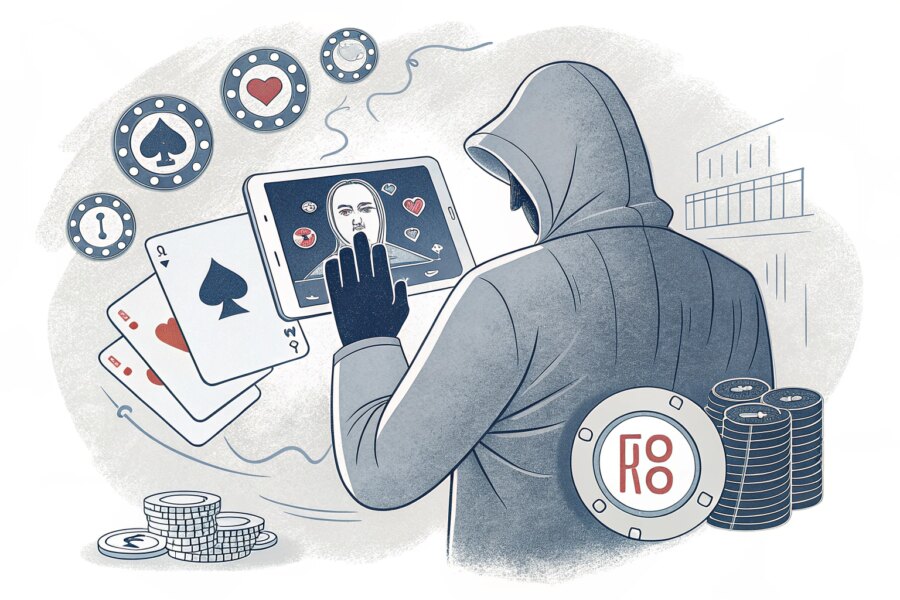

Influencers promoting online gambling could face prison under proposed reforms to the Polish Penal Code.
Poland.- The Polish Parliament has been presented with a draft law aimed at outlawing “Patostreaming,” a term used to describe the online broadcast of violence, abuse and sexually degrading material. The proposal also seeks to classify the promotion of online gambling by influencers as a criminal offence.
If passed, the proposed legislation would amend the Penal Code to introduce new provisions targeting digital content seen as harmful. Supporters argue that the bill is necessary to ensure online behaviour is treated with the same seriousness as criminal acts committed offline.
Under the proposed law, individuals who share real or staged depictions of serious crimes online could face prison terms ranging from three months to five years. The same penalties would apply to influencers who promote gambling, which remains highly restricted in Poland.
The move follows recent joint actions against unlicensed gambling undertaken by the Ministry of Finance, the Financial Supervision Authority and police. These have included raids against influencers accused of promoting offshore casinos on platforms like Twitch, YouTube and Kick.
Meanwhile, the Financial Supervision Authority has demanded that payment service providers stop facilitating of transactions to unlicensed casinos, which has reportedly led to payment methods like BLIK being removed from sites.
While sports betting in Poland is permitted under licence, both land-based casino and online casino gaming is subject to state monopoly provisions. Lotteries are also operated exclusively by the Totalizator Sportowy.
The new legislative initiative has the support of ministers from Poland’s new Civic Coalition (KO) government formed by an alliance of Citizens Platform (PO), Modern (Nowoczesna) and Polish Initiative (iPL). KO representatives emphasise that the reforms are designed to strengthen enforcement powers and protect young audiences from exposure to violent or illegal content.
Ministers have positioned the bill as part of a broader youth protection agenda, citing growing concerns about minors’ exposure to violent streams and gambling promotions on social media. In December, a regulatory framework for loot boxes in video games was proposed in a draft amendment to Poland’s Gambling Act.
The amendment would create a new legal category of games with virtual goods that would see in-game purchases with randomly awarded prizes treated as gambling. Loot boxes would be restricted to over 18s, and companies offering the mechanics would need a licence and would have to meet the Gambling Act’s consumer-protection and reporting obligations.
Many games with loot boxes are popular among teenagers, and enforcing an age limit can be challenging. Many case-opening and skin-gambling platforms have cross-border infrastructures, requiring cooperation payment providers and hosting services for enforcement.