New Gambling Survey of Great Britain shows stable market and no rise in problem gambling


The Gambling Commission has published its latest annual report from the survey.
UK.- The British Gambling Commission has published its second annual report from the new Gambling Survey for Great Britain (GSGB), which it describes as the world’s largest dedicated study of gambling participation, behaviours and consequences.
The new study found that gambling participation remained flat year-on-year, with 48 per cent of respondents reporting that they had gambled in the past four weeks. The rate fell to 28 per cent when discounting those who only bought tickets for a lottery draw. That’s a rise of one percentage point compared to last year’s survey.
Meanwhile, 42 per cent of those who gambled in the past 12 months rated the last time they gambled positively, compared to 21 per cent who rated it negatively. The chance of winning big money was cited as the main reason why people gamble (85 per cent) followed by because gambling is fun (72 per cent)
Some 2.7 per cent of respondents scored 8+ on the Problem Gambling Severity Index (PGSI), which is statistically stable compared to 2023.
Validation of GSGB methodology
The Gambling Survey for Great Britain is produced by National Centre for Social Research and University of Glasgow. The Gambling Commission stands by the soundness of its methodology, noting that the study has been reviewed independently.
It said recent research published by Professor Patrick Sturgis to further understand the impact of methodology on survey estimates has strengthened its confidence in the robustness of GSGB estimates.
The large survey sample size of 19,714 respondents has enabled the regulator to publish two supplementary reports into risk profiles among people who gamble on a weekly basis and the potential negative consequences of gambling.
The first of these reports highlights the risk profiles among people who gamble on a weekly basis. These findings show that levels of risk vary not only between gambling products, but also within product categories themselves, which the regulator says underlines the need for operators to take account of risks within customer bases.
The second report broadens understanding of the potential negative consequences of gambling. Findings reinforce evidence from earlier qualitative research indicating gambling can simultaneously impact multiple aspects of a person’s life such as their relationships with others and their health.
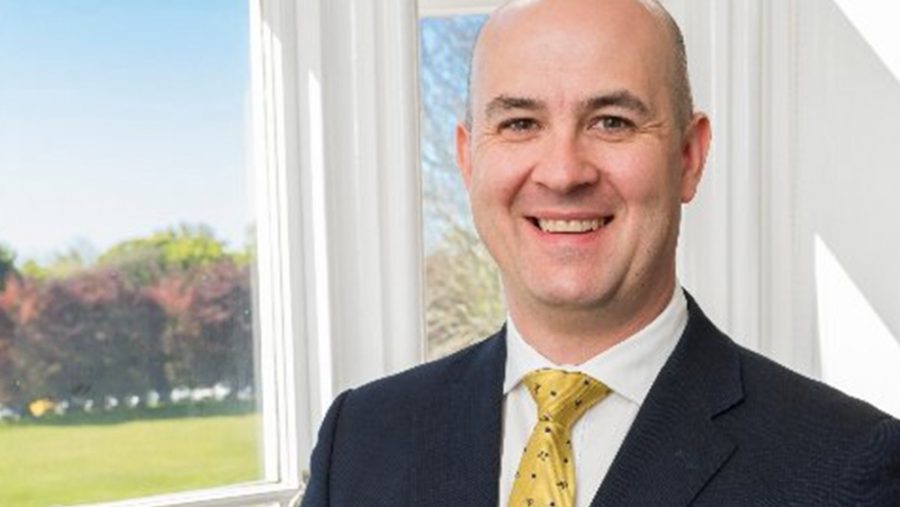
Andrew Rhodes, chief executive of the Gambling Commission, said: “The Gambling Survey for Great Britain is a key building block of the evidence base which helps government, industry and other partners understand both gambling behaviour and potential consequences from gambling.
“This year’s findings deepen our understanding of consequences from gambling and provide crucial insight into risk profiles among those who gamble most frequently. We strongly encourage operators to use this evidence to consider the risks within their own customer bases.
“Data and research, such as GSGB, is essential to helping us identify where our regulatory focus should be and informs our ongoing work to implement player protection recommendations from the Gambling Act Review White Paper.
“We have already introduced light-touch financial vulnerability checks on those spending £150 a month, reduced the intensity of all online games by banning autoplay and slowing game speed, and tightened age verification in premises.
“We’ve also banned potentially harmful marketing offers involving consumers having to carry out two or more types of gambling, such as betting and playing slots, and limited the number of times bonus funds must be re-staked before a consumer can withdraw winnings.
He continued: “From the end of this month our new rules will give consumer controls over deposit limits and all gambling businesses must prompt their customers to set a financial limit before they make their first deposit.”
“In the land-based sector, we are also considering time and monetary limit setting functionality and safer gambling messaging on machines. In addition, we have been piloting enhanced frictionless financial risk assessments for those spending £1,000 within 24 hours or £2,000 within 90 days. We are currently analysing the data gathered during the pilot examining data-sharing between credit reference agencies and gambling businesses.”
Gambling Commission report on illegal gambling
Meanwhile, the Gambling Commission has published its second report on the illegal gambling market in Great Britain. Following the launch of the Gambling Commission’s Illegal Gambling Hub last month, the latest report focuses on trends in consumer engagement with illegal gambling websites.
Based on the data available so far, the regulator has found that there is no evidence of an overall pattern of growth. It observed an increase in engagement with illegal gambling sites between summer and winter of 2024, but engagement then dropped following this uptick.