



Jana Mravíková, ÚRHH: “Our top priority remains the fight against illegal gambling, especially online”
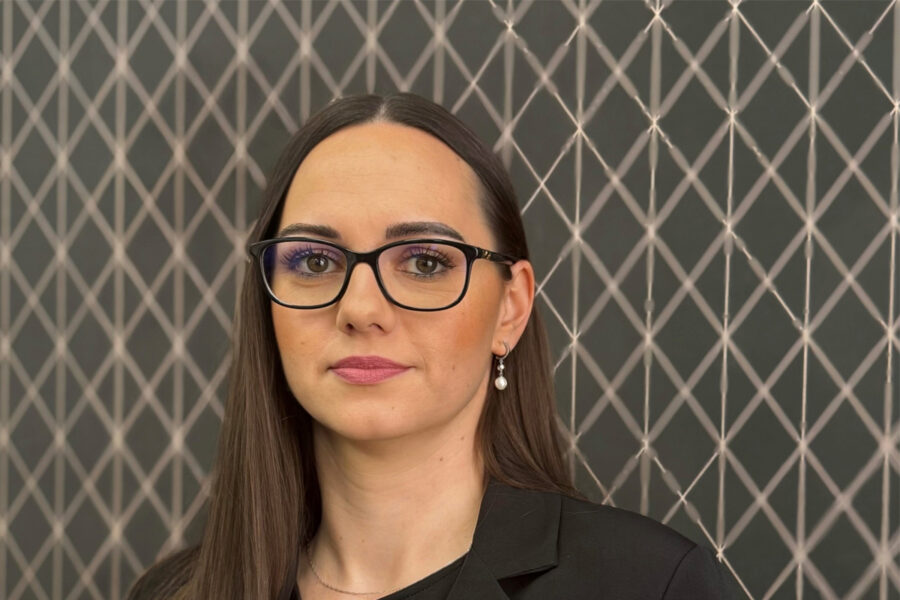

Jana Mravíková, the newly appointed director general of the ÚRHH, gave an exclusive interview to Focus Gaming News.
Exclusive interview.- Jana Mravíková is the new director general of the Slovak Gambling Regulatory Authority (ÚRHH), replacing Martin Bohoš. In an interview with Focus Gaming News, she talked about her new position and the role of the regulator to ensure a fair and responsible industry. She also shared the key regulatory priorities for ÚRHH in the coming years.
The change in leadership follows the presentation of the regulator’s 2024 annual report, in which Bohoš expressed the need for regulatory changes to respond to the growth of online gambling and illegal offerings.
You have recently taken up the position of Director General of the Slovak Gambling Regulatory Authority, succeeding Mr Martin Bohoš. What will be your initial priorities in leading the Authority?
The Slovak Republic is experiencing a trend of dynamic growth, especially in internet gambling. We expect an increase in the share of online gambling in Slovakia, which currently stands at around 60 per cent, in the coming years. Developments in this area in Slovakia do not deviate significantly from trends in other European countries.
The Internet environment obviously requires and will require higher demands on the Gambling Regulatory Authority in terms of supervision and the fight against illegal gambling and so-called prohibited offers, so we are taking measures to respond to technological developments and the boom in the supply of digital gambling services.
The priorities of the Gambling Regulatory Authority, which are to ensure and implement balanced regulation by the State in the areas of licensing and State supervision, to ensure a sophisticated and safe gambling environment, to combat illegal gambling and to strictly enforce the principles of responsible gambling, remain the same under my leadership.
Given your professional background, how do you believe your experience will shape your approach to regulating the gambling sector in Slovakia?
I have been working at the Gambling Regulatory Authority since its establishment (2019), in the economic management. I was involved in shaping of the Authority and its strategic direction, which has allowed me to gain a deep understanding not only of the regulatory mechanisms of gambling but also of the needs and challenges faced by the industry.
“The Slovak Republic is experiencing a trend of dynamic growth, especially in internet gambling.”
Jana Mravíková, director general of the ÚRHH.
I emphasise thoughtful and balanced regulation that reflects current trends, especially the dynamic growth of the online segment. My experience with the economic aspects of gambling has reinforced my belief that effective regulation must be data-driven and based on a solid understanding of market. I am confident that my experience will contribute to strengthening the Authority’s analytical capacities and to implementing regulatory measures that will not only react to current challenges but also will anticipate future developments in this rapidly changing industry.
As the Slovak gambling market continues to evolve, how do you see the role of the ÚRHH in fostering dialogue between operators, public institutions, and civil society to ensure a fair and responsible industry?
The main mission of the Gambling Regulatory Authority is to create conditions for the protection of public order in the operation of gambling and to ensure social compensation for the risks arising from the operation of and participation in gambling. This task is directly assigned to the Authority by the Gambling Act. Since 2022, and under my leadership, it will continue to do so, the Authority has pursued a policy of open dialogue with the market and the public. We are interested in how our regulatory arrangements are working and we are gaining valuable insights from gambling operators and the professional public alike, which we then consider when developing regulatory policies.
Although the Authority’s primary role is statutory regulation, the Authority is not averse to communication and discussion with the market, including in the pursuit of self-regulatory principles. A typical example is the adoption of the Code of Conduct for Responsible Gambling Advertising in the Slovak Republic, which was developed through cooperation between gambling operators and the regulator.
How is the ÚRHH addressing the challenges faced by the land-based sector, and what measures are being considered to balance regulation with market sustainability?
Land-based, as a traditional form of gambling, continue to hold a stable position in the market. However, we expect a potential decline in revenue this year, primarily due to stricter local governance regulations. Cities and municipalities have the authority to ban gambling halls and casinos in their jurisdictions through the general binding ordinances.
From the regulator’s perspective, it is crucial to discuss about negative consequences of banning gambling in specific municipalities, such as the growth of illegal establishments and associated criminal activities. We consider that essential is to maintain an open dialogue with municipalities and to put in place more effective mechanisms to eliminate illegal activities.
In February, the ÚRHH launched a new national gambling helpline run by Predná Hora. Could you elaborate this initiative and any other plans the ÚRHH has to promote responsible gaming?
The launch of the new gambling helpline in February represents a key milestone in our efforts to minimise the risks associated with gambling.
I am proud that the service is operated by OLÚP, n. o. Predná Hora, a renowned institution with extensive experience and a high level of expertise in the treatment of non-drug addictions. Through this partnership, we have ensured that the assistance provided via OLÚP, n.o. Predná Hora is of a high professional standard and accessible to all who need it, whether they are players themselves facing problems or their family members.
We expect that the helpline will significantly improve access to qualified counselling and crisis intervention, which will contribute to the earlier identification of problem gambling.
Support for responsible gambling does not end with operating the helpline. Our priority is a systematic and multi-level approach. Our further plans and ongoing activities primarily include public education, with a special focus on young people, so that they gain a realistic perspective on how gambling works and are aware of the potential risks.
We have high hopes for the upcoming amendment to the Consumer Protection Act, which should provide us with more effective tools to combat unfair commercial practices. Of course, important part of responsible gambling is Register of Excluded Persons. The self-exclusion mechanism remains key legal tool to protect both players and their families.
“We consider that essential is to maintain an open dialogue with municipalities and to put in place more effective mechanisms to eliminate illegal activities.”
Jana Mravíková, director general of the ÚRHH.
Looking ahead, what are the key regulatory priorities for the ÚRHH in the coming years?
Our top priority remains the fight against illegal gambling, especially in the online. The current legislation does not always provide us with sufficiently effective tools in this regard, therefore we support legislative changes that would allow us to more effectively suppress illegal activities and protect the legal market and consumers.
Closely related to this is our ongoing effort to enhance player protection. We are placing high expectations on the upcoming amendment to the Consumer Protection Act.
Another key area is promoting the principles of responsible gambling and responsible advertising. While we welcome the self-regulatory efforts of operators such as the Code of Conduck for Responsible Advertising, we see the need to anchor certain rules in legislation, especially concerning responsible advertising.
Public education, especially young people, also remains as a cornerstone of our strategy. Our aim is to increase awareness of how gambling games works and the risks involved.
We will continue to emphasise maintaining an open dialogue with all stakeholders – including operators and the professional community. We believe that only in this way can we create thoughtful and balanced regulation that will ensure the gambling sector in Slovakia is sustainable, transparent, and above all, safe for all involved.
By Focus Gaming News Editorial Team