Gambling Commission warns prediction markets not to target Britain
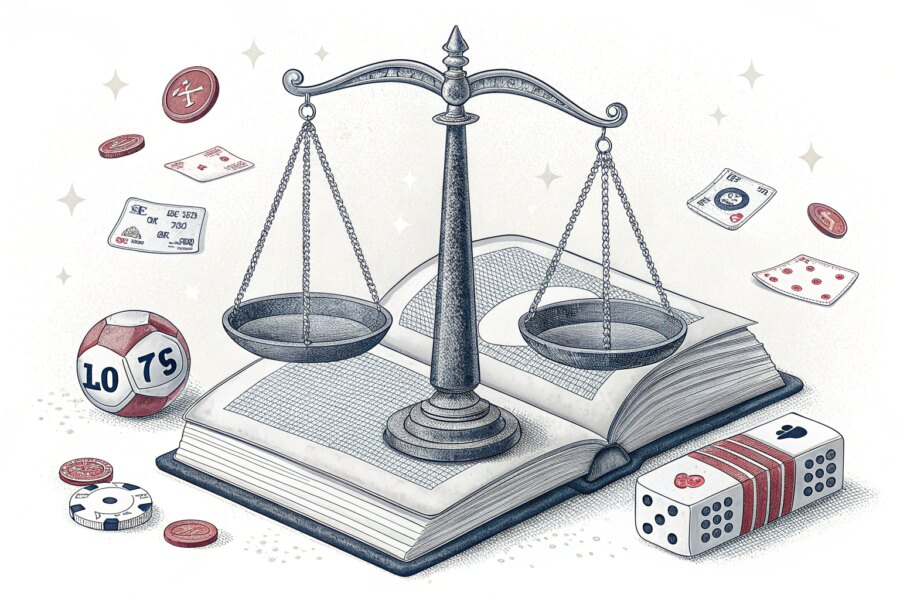
The regulator believes that prediction markets products would be considered gambling under UK law.
UK.- While the debate about the legality of prediction markets continues in the US, regulators in other regions are also analysing the phenomenon. As the gambling industry is increasingly global in nature, regulators are looking at where the emerging format would fall in their own jurisdictions.
The vertical holds less appeal in the UK since traditional betting operators have long offered bets on markets other than sports, from politics to cultural events. Nevertheless, the Gambling Commission says it has been fielding a rise in enquiries about the position of predictions markets in British gambling regulations.
Sports betting has spread in the US since 2018, when the Supreme Court ruled that the 1992 Professional and Amateur Sports Protection Act (PASPA) was unconstitutional, but regulations don’t typically allow betting on other markets. That’s led to a boom in platforms that enable the trading of event-based contracts on markets including financial, and political events as well as sports.
Although the format often falls outside of gambling regulation in the US, the Gambling Commission believes that, subject to specific business models, prediction markets would fall within the definition of a ‘betting Intermediary’ under UK legislation.
“Whilst the presentation of prediction markets may differ, their core aspects are akin to what in the UK would be described as a ‘Betting Exchange,’ the regulator says. As such operators would require a betting intermediary gambling licence from the Gambling Commission.
“Whilst prediction markets are a relatively new development in the United States, betting exchanges have existed in the UK since 2000,” it notes.
“Where activities fall within our regulatory remit, licensed operators are subject to a range of requirements on how they provide their products and services. These include requirements relating to consumer protection, fairness, the integrity of betting markets, and the prevention of crime. We actively scrutinise compliance with these requirements and take enforcement action where standards are not met.”
Commercial products meeting the definition of gambling under UK legislation must be licensed and regulated by the Gambling Commission. Spread betting is an exception and is regulated by the Financial Conduct Authority as it is seen as a financial service.
A warning for prediction market operators eyeing Britain
The Gambling Commission said it would not comment on ongoing legal debates on the status of prediction markets in the United States or elsewhere, but it warned that if a prediction market operator were to launch in Great Britain, it does not believe they would be able to classify themselves as non-gambling products.
“Current prediction market operators who are not licensed in Great Britain should take steps to ensure they are not targeting or transacting with consumers in Great Britain,” it warned. “There are criminal offences associated with operating without an appropriate licence here.”
It added that it believed it to be unlikely that the commercial drivers for prediction markets would be the same in Britain as in the United States given the differences between the gambling markets. Sports betting is established and available across the whole of Great Britain under a single overarching regulatory framework. Legal sports betting in the United States is a more recent development and to date has been subject to State-by-State approaches.