GambleAware seeks national dialogue to break stigma on gambling harm in the UK
The charity aims to promote a conversation to encourage people to seek support.
UK.- The responsible gambling charity GambleAware has raised concerns that people are being discouraged from seeking support after new data found that 67 per cent of the public perceive a stigma around gambling harm. The body now aims to promote a national conversation on the issue.
The charity said that stigma often prevents people from seeking assistance. Research conducted by the charity reveals that 28 per cent of those experiencing gambling-related issues conceal their activities from family and friends, while nearly a quarter (24 per cent) of those facing severe harm refrain from seeking support due to feelings of shame or embarrassment.
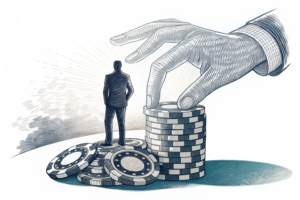
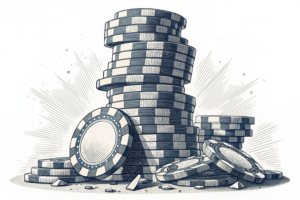
GambleAware is now emphasising that “anyone could be at risk of harm, including children,” as it aims to spark conversation via an installation at Westfield London in White City. Composed of 85,000 poker chips, the display is said to visually represent the estimated number of children affected by gambling harm, with each chip symbolising a child (aged 11–17) impacted by their own gambling in Britain in 2024.
British racing driver Nicholas Hamilton is supporting the campaign along with a number of cross-sector partners, including Nationwide, the Football Supporters’ Association, the National Gambling Support Network and 20 other national organisations..
Zoë Osmond OBE, chief executive of GambleAware, said: “Now is the time to have a national conversation about gambling harm. Only by encouraging an open dialogue can we empower people to seek the support they need without judgement.
“Our daily lives are inundated with gambling advertising and marketing, normalising what is a risky activity which can have a huge negative effect on people’s lives, even children. This installation representing the 85,000 children affected aims to shine a light on this pressing issue and encourage meaningful dialogue.”
Hamilton said: “What started as a small bet during a football match quickly spiralled out of control, leading to a cycle of fear, shame, and losses that brought me to experience the darkest point in my life. Gambling harm can happen to anyone – it doesn’t discriminate based on age, background, or circumstance.
“Gambling advertising is everywhere in day-to-day life, from sport sponsorships to online and TV adverts and it’s frightening how easily people can be drawn in, even children. That’s why I’m passionate about raising awareness and encouraging people to seek help like I did – there’s no shame in asking for support, and I hope that by sharing my experience, I can inspire others to take the first step towards recovery.”
Minister for gambling Baroness Twycross said: “The stigma surrounding harmful gambling can prevent those in need from seeking vital support so we welcome this important campaign from GambleAware.
“We have now introduced a statutory levy on gambling profits which will raise around £100 million each year to fund research, prevention and treatment, further encouraging the public conversation around gambling harm.”
“While most people gamble safely, we recognise the impact harmful gambling can have. That is why we are further strengthening protections for those at risk, implementing a stake limit on online slots and stricter rules on gambling marketing.”
Defence of GambleAware’s record
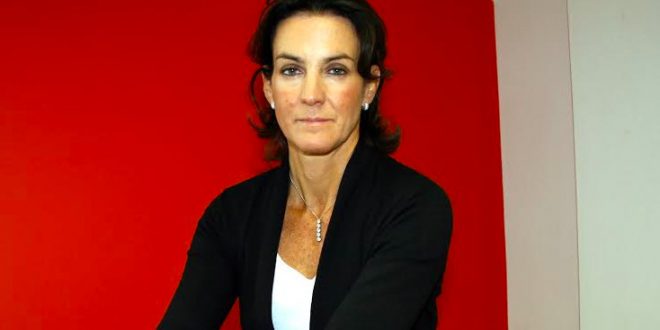
Osmond has also criticised inaccuracies expressed by ministers and public health experts in a worded letter to Layla Moran, the Liberal Democrat chair of the Health and Social Care Select Committee. She said the committee had made unsubstantiated claims about GambleAware’s work and its independence from the gambling sector.
She said witnesses including Professor Heather Wardle, Dr Sam Chamberlain and Lucy Hubber of undermining the body’s work in research, education, and treatment in “ill-informed statements about the independence of third sector services are highly concerning as they ultimately impact service users, risking them turning away from services or not seeking support when they need it.”
She wrote: “I want to be clear that GambleAware is entirely independent from the gambling industry,” Osmond stated. “Members of our independent Board of Trustees are leaders across the NHS, public health and third sectors and have no connection to the industry.”
She added: “The gambling industry has absolutely no input at any stage of GambleAware’s research commissioning, delivery or publication process,” she wrote. “We do not engage with the gambling industry to discuss or consult on any aspect of our work.”
UK gambling reforms
Gamble Aware, which until now has been funded by voluntary donations from the gambling industry, is calling for stricter restrictions on gambling advertising. The House of Lords recently held off adding a ban on gambling football sponsorship into the bill that created the new UK football regulator, but it’s an issue that remains in the public and political eye.
Meanwhile, the voluntary system of donations to GambleAware has come to an end with the introduction of a mandatory British gambling levy for the new tax year, which began on April 6. The levy will be invoiced on an annual basis every year on September 1, starting this year.
Payment will have to be made by October 1. Failure to pay can lead to licence revocation. The rate that licensees will pay will range from 0.1 per cent of gross gambling revenue (GGR) for remote and non-remote pool betting operations, gambling machine operations and family entertainment centres to 1.1 per cent for online gambling and betting, bingo and software licensees.
Meanwhile, the industry is fighting government proposals for a new unified Remote Betting and Gaming Duty, which operators fear will represent a rise in taxes on sports betting operators. The proposal would integrate three separate tax categories – Remote Gaming Duty, General Betting Duty, and Pool Betting Duty – into one.