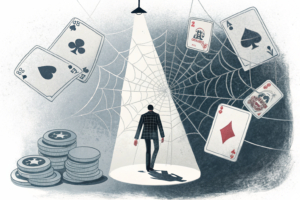

Dutch regulator raises concerns over “romanticisation of gambling”


The KSA carried out a survey of public attitudes to gambling in the Netherlands.
The Netherlands.- The Dutch gambling regulator Kansspelautoriteit (KSA) has suggested that gambling is becoming increasingly accepted in society following a new study of attitudes. It found that 24 per cent of Dutch people indicate that people in their social circle consider gambling normal behaviour.
That’s the conclusion of a survey of 1,000 Dutch people conducted for the Open Over Gokken 24/7 gambling helpline. The research found that more men consider gambling to be normal than women do (32 per cent compared to 16 per cent).
The KSA said that this normalisation leads to more people gambling and makes it more difficult for people who may not have their gambling behaviour under control to discuss it.
Social environment plays a clear role in how the Dutch view gambling. For example, 43 per cent say they would gamble less if no one around them did. However, 22 per cent of respondents have people in their social circle who gamble.
When people talk about gambling, they primarily talk about success and winning. For example, one in five Dutch people (18 per cent) say they regularly hear that gambling is a convenient way to make money quickly. The KSA calls this a ‘romanticisation of gambling’ and warns that it is problematic when, at the same time, there’s a belief that those who have gambling problems have themselves to blame.
The survey found that three-quarters of Dutch people (75 per cent) see gambling problems as the result of making bad decisions.
As for the consequences, 11 per cent of respondents indicated that gambling has had a direct impact on work, studies, relationships, or sleep. At the same time, gambling problems are not always recognised. For example, 76 per cent of Dutch people estimate that you can’t see a gambling addiction in someone. This can contribute to problems going unnoticed for longer and piling up, the KSA said.
Moreover, talking about gambling problems still seems to be somewhat taboo: almost three in ten respondents (29 per cent) indicated that they wouldn’t dare ask for help if they themselves were addicted to gambling. Over a third of Dutch people (34 per cent) find it difficult to confront someone about their gambling behaviour.
Michel Groothuizen, chairman of the KSA, said: “Gambling problems rarely develop overnight and often remain under the radar for a long time. This is partly because gambling is often seen as normal behavior in the community. This can make it difficult to recognize when gambling becomes problematic, let alone to discuss it.
“As our previous research also showed, there is still a persistent taboo surrounding talking about gambling and gambling problems. As a result, people who experience gambling problems themselves often hesitate to ask for help. A first step can be to talk about it with someone you trust, such as a partner, family member, or friend.
“For those who feel that step is too daunting, it’s also possible to first seek information online in a relaxed atmosphere. The OpenOverGokken.nl platform offers independent information and helps people find appropriate support. As a regulator, we believe it’s our social responsibility to ensure that reliable information and support are accessible to everyone, and that no one has to face this alone.”
Despite the findings, the KSA has expressed disapproval of a new government proposal to completely ban gambling ads in the Netherlands. It says such a move would make it harder to distinguish licensed operations and would do nothing to curb the promotion of black market offerings.