


Dutch regulator weighs in on proposed gambling reforms
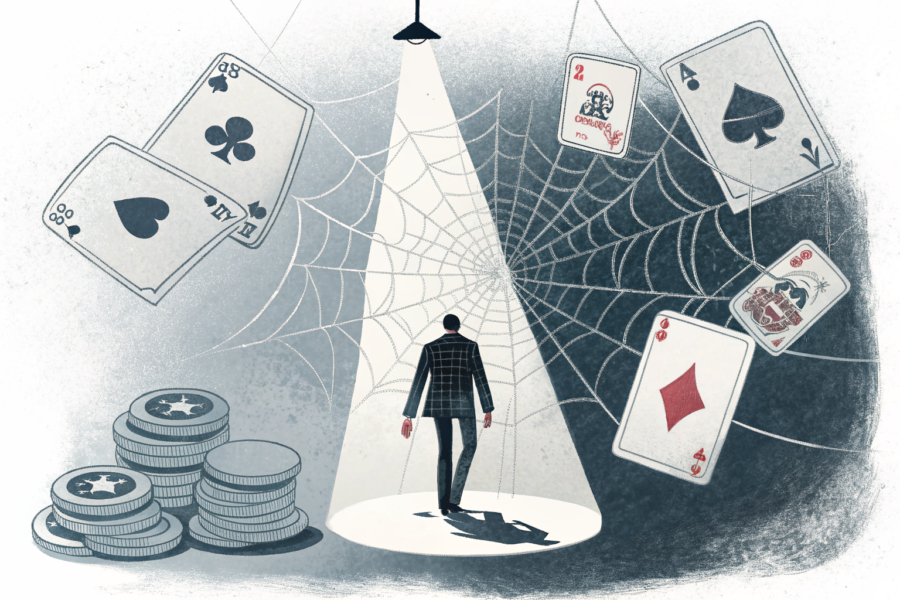
The KSA’s chairman has called for a rethink of the proposed ban on all online gambling ads.
The Netherlands.- Michel Groothuizen, the chair of the Dutch gambling regulator, Kansspelautoriteit (KSA), has written to new prime minister Rob Jetten to raise concerns about the coalition government’s proposed gambling reforms.
While he welcomed plans to tighten the duty of care for online operators and crack down harder on illegal platforms, he cautioned that parts of the coalition’s programme may not deliver the intended results.
Groothuizen is particularly concerned about the proposal of a blanket ban on online gambling advertising in the Netherlands, which would build on the existing prohibition of targeted gambling advertising and sports sponsorships. Although he acknowledged the protective intent behind such measures, Groothuizen said that most advertising exposure,particularly on social media, comes from unlicensed operators.
He highlighted that Dutch users encounter around 60,000 gambling promotions each month on platforms like Facebook and Instagram, yet fewer than 2,000 of those originate from licensed providers.
“In the nearly seventy pages of the coalition agreement, only a small section is reserved for our domain,” Groothuizen notes in the letter. “Under the heading “Sober Policy: Drugs, Gambling, and Sex Work,” the proposed online gambling policy for the coming years is outlined in a few broad strokes,”
However, he warns: “The devil is in the detail: the paragraph concludes with two well-intentioned, but in my opinion, unhelpful, remarks. The coalition agreement promises a complete ban on online gambling advertising and will also investigate limiting the number of licenses for online gambling sites.
The KSA’s chair said he could empathise with politicians’ negative feelings about gambling advertising, but said “the gambling world is inherently bling-bling, and as such, it sometimes provokes more annoyance than understanding from politicians (and from me as a regulator). And the exuberant way in which providers have manifested themselves in recent years hasn’t helped either.”
However, he said that the past year had been calmer in terms of the volume of gambling advertising from licensees as the KSA keeps close watch. The issue is the black market.
“Currently, the competition for gamblers’ favor is primarily taking place on social media: TikTok, Facebook, Instagram, and others are rife with gambling ads. However, the lion’s share comes from illegal parties,” Groothuizen said, reiterating a warning he has made previously. “To put that into perspective: over the past few months, Facebook and Instagram have seen over 60,000 ads targeted at the Dutch public every month. Fewer than 2,000 of these come from legitimate online providers.
“Globally, the illegal gambling market is larger than the combined economies of Germany and the Netherlands. And for the record: Germany is the third-largest economy in the world, after the US and China. In other words: illegal gambling is a massive problem, and its scale is only increasing, both globally and in our own country. Therefore, I consider combating it one of the highest priorities.”
He stressed that a ban on gambling advertising would do nothing to help this situation.
“A ban on online advertising will only affect legal advertising,” he stressed. “Our people will do everything in their power to combat illegal advertising as well, but under the current circumstances, we cannot be 100 per cent successful. We may be able to enforce greater responsibility on tech companies through the Digital Services Act, but that will be a long-term process.
“The illegal parties will pay little attention to this, and as long as large tech companies continue to allow these advertisements or do not actively remove them on their own initiative, the only consequence of this ban announced in the coalition agreement will be that players will be lured away from the legal market even more than now. After all, they will then only encounter illegal providers online. That does not seem to me to be the intended goal of the new cabinet.”
Cap on Dutch gambling licensees legally difficult
The KSA’s chair also raised concerns about proposals to limit the number of online gambling licence holders in the Netherlands. In the Netherlands, there are currently about thirty legal online providers an several hundred licensed gambling halls. Some products are subject to a monopoly, such as in the case of Holland Casino, which is the only one allowed to offer the highest-risk casino games with high stakes.
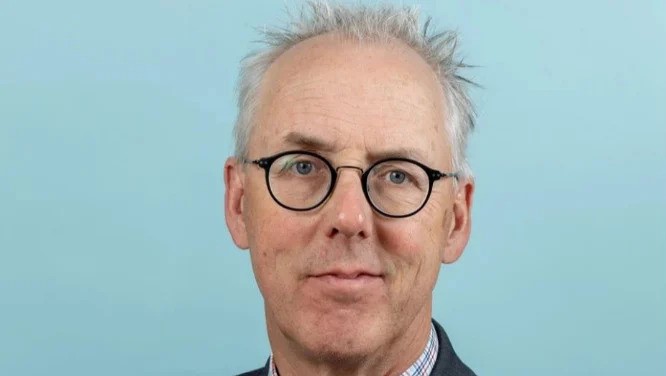
“Capping the number of providers in a market with parties that meet all the conditions and offer products or services that also comply with the regulations seems to me a legally difficult path, with questionable utility,” Groothuizen suggested.
“There is no reason to assume that there will be less advertising in a market with five providers than with 25, or that the number of players will decrease. If we as a society do not want to allow certain products offered, we must prohibit them. Allowing provider X and Y and not provider Z with the same product on numerical grounds is inexplicable to us as the licensing authority.”