Colombian gambling regulator launches new slot machines register
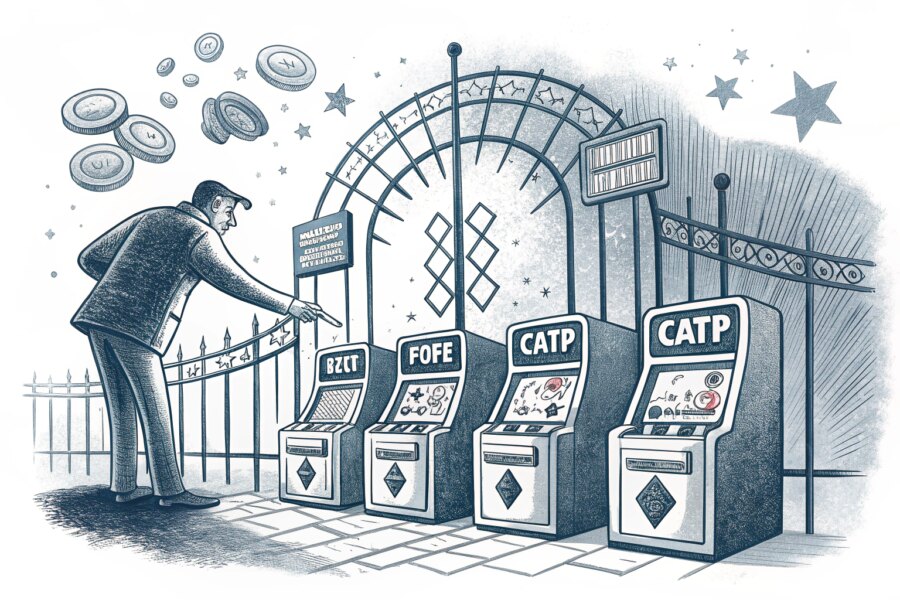
The new system will require all electronic slot machines to be registered before being imported.
Colombia.- Coljuegos, Colombia’s gambling regulator, has unveiled a new system aimed at tackling an influx of unlicensed slot machines into the country. Resolution 8594 of 2025 establishes a Single Registry of Importers and Distributors: the Registro Único de Importadores y Comercializadores (RIC).
The new system will require all electronic slot machines to be registered before being imported. Importers and distributors have 45 days from the resolution’s publication on January 26 to complete registration.
The regulator said the move is intended to strengthen control over the entry and sale of electronic slot machines and limit the spread of illegal devices.
Coljuegos president Marco Emilio Hincapié Ramírez described the measure as essential for safeguarding Colombia’s licensed land-based gambling sector and protecting healthcare funding, which relies heavily on gambling taxes.
“The creation of the RIC is fundamental to controlling the import and marketing of slot machines entering the country, and to stop the illegal activity that is so harmful for health revenues,” he said.
Coljuegos reported that in 2025, land-based gambling contributed COP378.3bn (€102.7m) to the healthcare system, a 9.3 per cent increase from the previous year. This figure represented 39 per cent of gambling revenue in Colombia.
The regulator estimates that around 109,000 licensed slot machines operate across more than 3,700 authorised venues nationwide.
The RIC registration form is available on the Coljuegos website. Importers must notify the regulator of each machine’s destination within 10 days of customs clearance. The process will be coordinated with the National Directorate of Taxes and Customs to ensure proper licensing and tax allocation to healthcare.
Meanwhile, Colombia’s online sector still faces tax uncertainties. On 29 January, the Constitutional Court suspended Decree 1390, which had introduced a 19 per cent VAT on gross gaming revenue (GGR) from online gambling.