



Camilla Rosenberg to depart as director general of Swedish gambling regulator
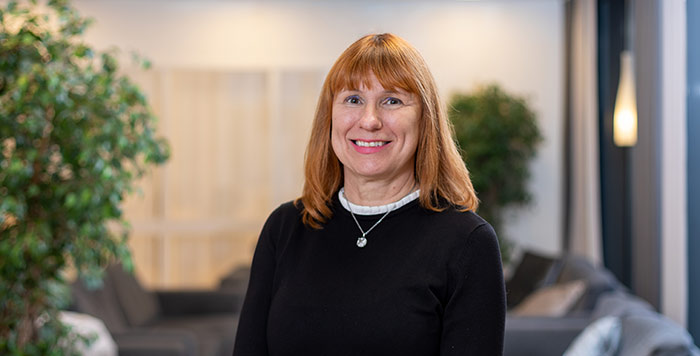
Rosenberg will leave Spelinspektionen in October after eight years at the helm of the regulator.
Sweden.- Camilla Rosenberg is to step down as director general of the Swedish gambling regulator, Spelinspektionen, after eight years at the helm. She will leave the position on October 31 to take up the position of director of the Swedish Real Estate Inspectorate.
Rosenberg was appointed in 2017. Her leadership of the gambling regulator has spanned the first six years of regulated online gambling in Sweden. The market was opened in 2019, which is when Spelinspektionen was given its current name.
Since then, she has overseen further initiatives such as the introduction of gaming supplier licences in 2023, the introduction of deposit limits during the Covid-19 pandemic and the addition of new powers for the regulator to tackle unlicensed gambling, including the ability to demand information from payment providers.
In 2023, her tenure was extended for another three years until October of next year.
Claes Norgren, chairman of Spelinspektionen’s board, said: “I would like to thank Camilla Rosenberg for her meritorious work during a time of profound changes in the gambling market. I congratulate her on her new position. Operations will continue as planned and at an unabated pace pending the appointment of a new director general.”
Swedish gambling revenue up in Q2
Meanwhile, the regulator has published its latest quarterly figures from the regulated Swedish gambling market. Revenue was up 1.9 per cent year-on-year and 5.9 per cent sequentially to SEK 7.02bn (€637m).
Online casinos and sports betting made the biggest contribution at SEK 4.63bn (€420m, up 1.4 per cent year-on-year). However, the biggest growth was in state-run lotteries and cash gaming machines, which generated SEK 1.42bn, a rise of 10.2 per cent year-on-year.
Unsurprisingly revenue from land-based casinos fell from SEK 33m to SEK 8m due to the closure of the last Casino Cosmopol venue in Stockholm towards the end of April. Public benefit gaming, such as charitable lotteries, saw a slight drop in revenue from SEK 893m to SEK 846m while bingo hall revenue remained flat and other land-based commercial gaming rose slightly to SEK 63m.
The regulator’s report also mentioned Sweden’s channelisation rate to the regulated market, which it estimates at 85 per cent. That falls short of the regulator’s 90 per cent target. The online casino segment is the biggest concern since channelisation in this vertical is estimated at 72–82 per cent.