Charity calls for action as demand for UK gambling treatment and support services soars


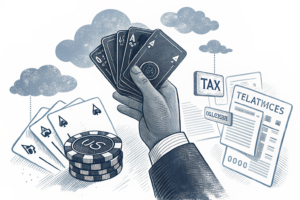
Concerns have been raised about unregulated prize draws.
UK.- GambleAware says that demand for treatment and support for gambling harm in Great Britain has almost doubled since 2020. That’s according to a new report released this week.
The report, which is based on a survey conducted by YouGov, has been published annually for the past five years. The latest edition found that almost 1 in 3 (30 per cent) of UK adults who gamble and are experiencing any risk of problems from it want treatment, support or advice. That compares to around 1 in 5 (17 per cent) when the survey was first carried out back in 2020.
GambleAware, a charity that has been backed by voluntary industry donations, said it could be seen as a positive sign that more people were accessing the help and support available, but it expressed concern that the sharp increase could be an indicator that gambling harm was growing.
The data also shows an increase in the proportion of adults who are experiencing problem gambling, up from 2.4 per cent in 2020 to 3.8 per cent in 2024, although the Gambling Commission’s official figures showed that gambling harm remained largely stable during the period.
GambleAware’s report also revealed that there has been an increase in the number of people who are affected by a friend or family member’s gambling. This could include anything from losing money or having relationships break down. The proportion of people affected increased from 6.5 per cent in 2020 to 8.1 per cent in 2024, and is now equivalent to an estimated 4.3 million adults across Great Britain, the charity said.
Warning over unregulated prize draws
The Treatment and Support Survey also suggests a link between prize draws – it provides the examples of Omaze and McDonald’s Monopoly – and gambling harms. The research found that one in four (27 per cent) people who gamble were estimated to be experiencing some risk of problems from taking part in prize draws. In addition, around one in nine (11 per cent) who gamble were estimated to be experiencing ‘problem gambling’ because of prize draws.
Prize draws are not currently regulated as a licenced form of gambling. However, GambleAware is warning that they have many similarities to certain types of gambling and that people may not understand the risks associated with them. The charity is also concerned that prize draws normalise gambling, particularly for children and young people.
The UK Lotteries Council has been lobbying for prize draws, or PDCs, to be considered as gambling, viewing them as unfair and unregulated competition. In March, Gambling Commission CEO Andrew Rhodes recognised that a significant rise in the format could be eating into society lottery revenue. However, gambling minister Baroness Fiona Twycross has held off from proposing regulation, promising only a voluntary code for PDCs.
Support for gambling advertising ban on TV
The Treatment and Support Survey also explored attitudes towards children’s exposure to gambling. It found widespread public support for more restrictions on gambling advertising on formats popular with children.
Some 91 per cent of people supported a ban on gambling advertising on TV and video games and 90 per cent supported a ban on social media. GambleAware is calling for the government to restrict gambling marketing and content online, particularly where children and young people are most vulnerable to it.
Zoë Osmond OBE, the outgoing CEO of GambleAware, said: “Gambling can be highly addictive, with devastating impacts on people’s lives, relationships and financial stability. While it is encouraging that more people have sought help, this rise may also point to a growing public health crisis. We are increasingly alarmed by how gambling is being normalised and how frequently people—especially young people—are exposed to gambling across Great Britain.
“To reverse this troubling trend, urgent preventative action is needed. This must include tougher regulation of gambling advertising to stop gambling being portrayed as ‘harmless fun’. There should also be mandatory health warnings on all gambling ads, stricter controls on digital and social media marketing , and a full ban on gambling promotion in stadiums and sports venues to protect children and young people from harm.”
Kate Gosschalk, YouGov associate director, said: “We are pleased to share the findings from the latest annual Treatment and Support Survey, a substantial online survey of around 18,000 people in addition to interviews with those who gamble. The new data provides valuable insight about gambling harm, including an increase in the number of people seeking support/treatment over the past five years.”
GambleAware recently called for temporary restrictions on gambling content marketing in Britain to allow time for new regulations to be drawn up to protect minors. It published reports that it says show British children are being exposed to gambling content at unprecedented levels through celebrities and influencers on popular social media platforms.
GambleAware will cease its operations by March 2026 due to the introduction of a new mandatory gambling levy in Great Britain in April of this year. The work on gambling research, prevention, education and treatment historically commissioned and delivered by GambleAware since 2002 transitions to the UK government and the new commissioners across England, Scotland and Wales following the replacement of voluntary industry donations with the statutory system.
The charity has appointed Anna Hargrave as transition CEO, with Osmond to depart this month.