UK government holds off on regulating prize draws and competitions as gambling
The government has decided to start with a voluntary code for PDCs rather than mandatory regulation.
UK.- The British gambling minister Baroness Fiona Twycross has disappointed licensed lottery operators by opting not to impose regulation on prize draws and competitions (PDCs). The UK Lotteries Council has been lobbying for PDCs to be considered as gambling, viewing them as unfair and unregulated competition.
Twycross has announced that only a voluntary code will be introduced for now. This was the option favoured by PDC operators.
The minister of state for the Department for Culture, Media and Sport told the House of Commons that the voluntary code for PDCs would be introduced this year. She didn’t provide details of what it will cover but said the results will define whether the government decides to introduce legislation further ahead.
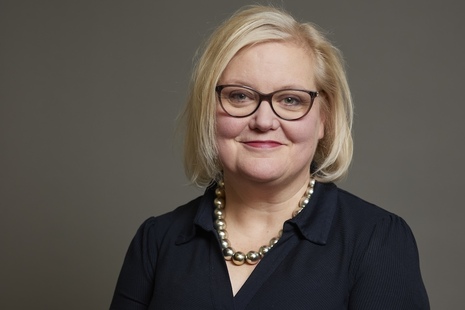
Twycross said: “This government has made it clear that we want people who participate in prize draws to be confident that proportionate protections are in place. This code will help provide a uniform approach across the sector to strengthen player protections, increase transparency and improve accountability of prize draw operators. My department has worked closely with the sector over the past six months to start to develop this code.”
What are PDCs?
Sometimes referred to as sweepstakes or raffles, prize draws and competitions are defined as games in which the winners are decided by chance. However, they escape regulation under both the Gambling Act and the Lottery Act by offering a ‘no purchase necessary’ clause alongside the more straightforward paid entry used by most participants. That means there is no oversight from the Gambling Commission.
Examples include text and phone-in competitions on television programmes, but there are also major operators such as Omaze, which describes itself as a for-profit, social-impact company that raises money for charitable causes. It runs prize draws with prizes such as houses and cars.
Omaze stresses that a portion of funds raised go to good causes, but operators in other gambling verticals have long argued that the PDCs take advantage of a loophole to provide unregulated gambling.
What will be in the PDC code?
While Twycross has yet to provide details, it’s widely expected that the code will introduce a requirement for prize draw operators to ensure age verification for participants. Other measures could include player protection initiatives such as the use of safer gambling messages, spending limits, a ban on credit card use and even a self-exclusion initiative. The code could also set out a minimum proportion of proceeds that must be donated to charity.
A government report showed a “clear risk of gambling harm” from prize draws, even surpassing traditional betting. In a study of 22 PDC operators and 764 players, no direct causal relationship was established, but 12 per cent of players were found to have experienced negative consequences and a possible loss of control.
Speaking at the Betting and Gaming Council 2025 AGM in February, Gambling Commission CEO, Andrew Rhodes noted that there had been a significant rise in prize draws and competitions and recognised that they could be eating away at the licensed lottery market in the UK.
UK Lotteries Council expresses disappointment at decision on society lotteries limits
Meanwhile, the UK Lotteries Council has responded to the government’s publication of its report Assessing the Impacts of Changes to the Society Lotteries Sales Limit. The government has decided not to raise the current limit on the annual proceeds that society lotteries can generate at this time.
Lotteries Council chair George Collins said: “The Lotteries Council is deeply disappointed that the Government is unwilling to increase the present legal limit on how much Society Lotteries can raise annually, despite their own research demonstrating that the step could raise as much as £175m by the end of this Parliament for the UK charity sector.
“At the same time, the government is not proposing legislation to create a level playing field with large-scale prize draws so that they face similar rules to Society Lotteries and the National Lottery, with whom they compete for ticket sales.
“This is a missed opportunity to raise more money for the nation’s good causes and to put the charity lottery sector on a firmer and fairer footing in the future.”