


British Gambling Commission licence fee increases confirmed
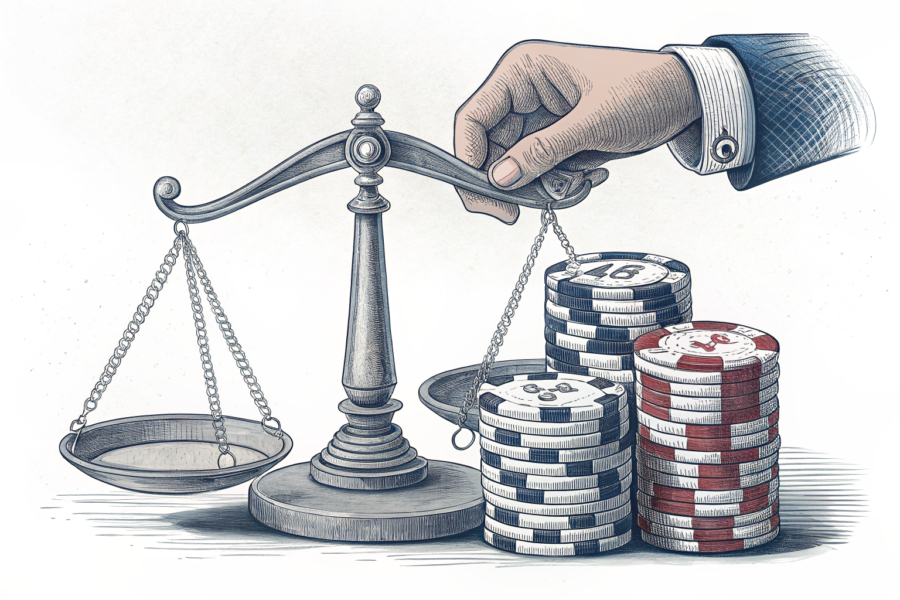
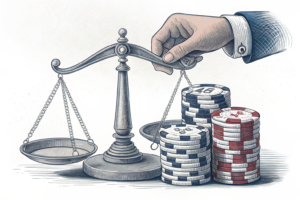
The government has settled on a licence fee increase in the middle of two options proposed in a consultation.
UK.- The UK government’s Department of Culture, Media and Sport has announced the implementation of a 25 per cent increase to Gambling Commission operating licence fees. Requests from operators for a phased introduction were rejected, meaning the full increase will take effect in one go from October 1.
The 25 per cent increase was not one of the three models initially proposed in January. The scenarios outlined in the government’s consultation were a 30 per cent rise, 20 per cent rise, or a 20 per cent rise with an additional 10 per cent ringfenced for actions intended to tackle the illegal market. The final option of a 25 per cent hike was deemed to deliver “sufficient and stable” resourcing while avoiding the higher costs operators had opposed, the DCMS said.
The government said the 25 per cent model provided a “proportionate and sustainable” settlement, arguing that a 20 per cent rise would leave the regulator facing significant cuts, while the 30 per cent option and ringfenced funding proposals attracted almost no support during consultation.
The Gambling Commission has stressed that while licence fees will increase by 25 per cent overall, the specific changes to fees will be different for each type of operating licence. New fee categories will also be introduced for most licences.
Under the revised framework, society lottery fees will remain frozen, while general betting (limited) licences will shift to a gross gambling yield‑based structure, replacing the current days‑of‑operation model. Officials said this would better reflect the scale of operators’ activity, noting that around 44 per cent of licensees will see a fee reduction, with most others facing only modest increases.
Personal licences, supplementary operating licences, single‑machine permits, variations, and changes of corporate control will all rise by 25 per cent. First‑year annual fees will continue to be set at 75 per cent of the standard annual rate.
The DCMS also confirmed that enforcement against the illegal online market will not be funded through ringfenced operator fees. Instead, as previously announced, the Gambling Commission is to receive £26m in Treasury grant‑in‑aid to support this work. The regulator has said that this will allow it to increase its actions against illegal gambling, including land-based illegal gambling.
Meanwhile, the gambling sector has expressed a scathing reaction to a new proposal to increase the tax rate on land-based gambling machines. The proposal from the Social Market Foundation think tank comes just three months after the rise in Remote Gaming Duty.