

Uganda’s NLGRB engages operators ahead of 2027 licence renewals, flagging e-licensing and player protection
The pre-licensing meeting brought together operators, URA and NSSF to discuss compliance, collaboration and changes to the licensing framework.
Key takeaways:
- Uganda’s National Lotteries and Gaming Regulatory Board (NLGRB) has held a pre-licensing stakeholder engagement with gaming operators ahead of the 2027 licence renewal cycle.
- The meeting brought together operators and government agencies, including the Uganda Revenue Authority (URA) and National Social Security Fund (NSSF), to discuss compliance, collaboration and changes to the licensing framework.
- NLGRB board chairman Kenneth Robert Kitariko said the engagement provides an opportunity to reflect on sector performance, clarify expectations and listen to industry concerns before the renewal process.
- NLGRB chief executive Denis Mudene stressed that public protection remains the priority, calling for stronger age verification, self-exclusion, responsible gaming messaging and player protection measures.
- The regulator highlighted its shift toward digital, data-driven oversight, including an e-licensing system for the gaming sector, and said further consultations with industry and government stakeholders will follow.
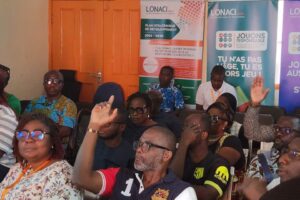
Uganda.- Uganda’s National Lotteries and Gaming Regulatory Board (NLGRB) has held a pre-licensing stakeholder engagement with gaming operators to set expectations and gather feedback ahead of the 2027 licence renewal cycle. The meeting, which also involved the Uganda Revenue Authority (URA) and National Social Security Fund (NSSF), focused on compliance requirements, inter-agency collaboration and planned changes to the licensing framework, including the introduction of an e-licensing system and strengthened player-protection measures.
NLGRB board chairman Kenneth Robert Kitariko described the engagement as an important step in preparations for the upcoming licence renewal process. He said: “It provides us with an opportunity to reflect on the performance of the sector, clarify the Board’s expectations, address emerging regulatory and operational matters, and, importantly, listen to the concerns and experiences of the industry.”
The regulator noted that it will continue engaging gaming operators, government agencies, industry associations, technology providers and other stakeholders to ensure Uganda’s gaming regulatory framework remains practical, responsive and aligned with the public interest.
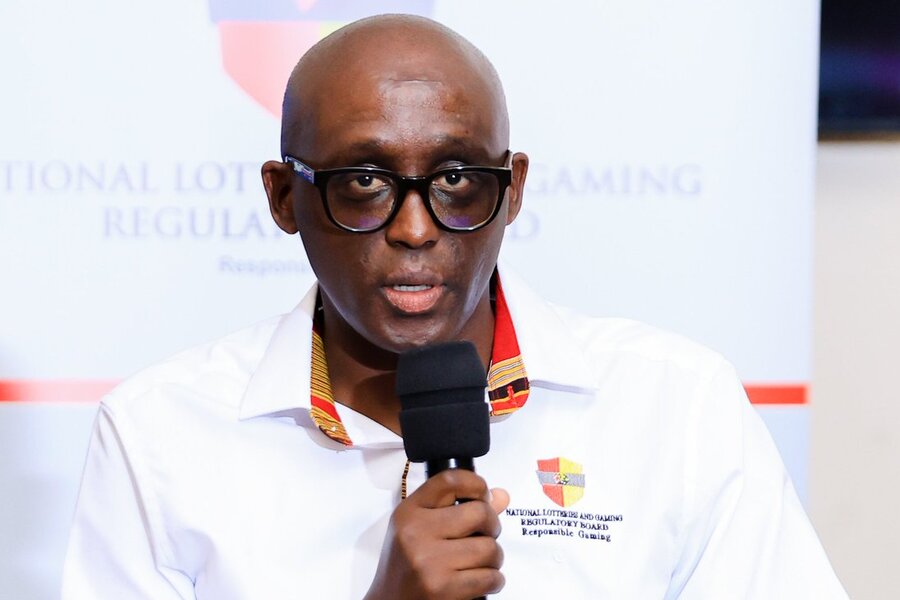
During the engagement, NLGRB chief executive Denis Mudene reminded operators that public protection remains the regulator’s priority. He said operators are expected to strengthen measures aimed at reducing gambling-related harm, including age verification systems, self-exclusion mechanisms, responsible gaming messaging and player protection measures.
Mudene said: “A successful gaming industry is not measured by revenue alone, but by its ability to protect those who participate in it.”
The Board is expected to continue consultations with industry and government stakeholders as it works towards the next phase of licensing and the wider implementation of changes to Uganda’s gaming regulatory system.