


Uganda cracks down on betting sector with bold new Tax Bill

A new tax bill has been introduced in Uganda to centralise betting payments and operators attempting to bypass the system will face staggering penalties.
Kampala, Uganda: The Uganda government has fired a decisive shot in its campaign to rein in the country’s high-flying betting industry, unveiling a game-changing tax bill aimed squarely at boosting compliance, tightening oversight and driving up revenue.
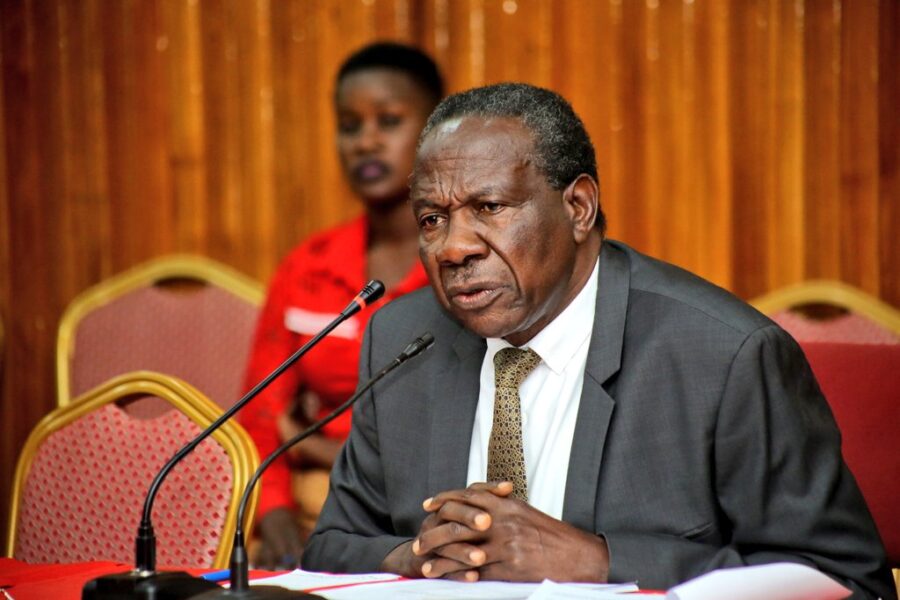
Unveiled as Bill No.9, the Tax Procedures Code (Amendment) Bill 2025 tabled by Finance Minister Matia Kasaija, the legislation proposes sweeping changes including a new mandate for centralised payments in the betting world.
Under the bill, all transactions – whether placing a bet or cashing out a win – must be processed through a centralised payments gateway system. Licensed by the Bank of Uganda and tightly monitored by the Uganda Revenue Authority (URA), this system will act as the digital nerve center of the country’s gambling economy.
“An operator of a casino, gaming or betting activity shall only receive a wager or money staked and only make payouts through the gaming and betting centralised payments gateway system,” the bill states.
Penalties for those who bypass the system
Operators who attempt to bypass the new system will face staggering penalties. Non-compliant operators will be slapped with double the amount of the gaming or withholding tax owed or 5,500 currency points – whichever is higher.
The timing of this is also no coincidence. The country’s betting industry is booming and the state wants a slice of it.
The bill fits neatly into Uganda’s broader digital tax crackdown. The country has already rolled out powerful surveillance tech to monitor mobile money transactions – the dominant method of online betting – via systems like the Telecommunications Intelligent Monitoring System (TIMS) and Data Monitoring System (DMS).
Broader digital tax crackdown
TIMS and DMS have given URA real-time visibility into mobile money-fuelled betting, translating into some serious cash. In 2019/2020, gaming taxes collected via these two systems totalled just over $5m. Fast forward to recent years, and that number has ballooned to around $26m – a fivefold jump.
With the gaming industry expanding at breakneck speed, the 2025 amendment bill is poised to become a cornerstone in Uganda’s evolving approach to tax and transparency.
In a sector once known for its opacity, the new message is clear: The house always wins, but now, so does the state.