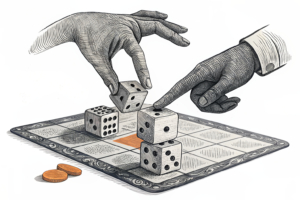


Social advocates welcome Uganda’s gambling tax increase
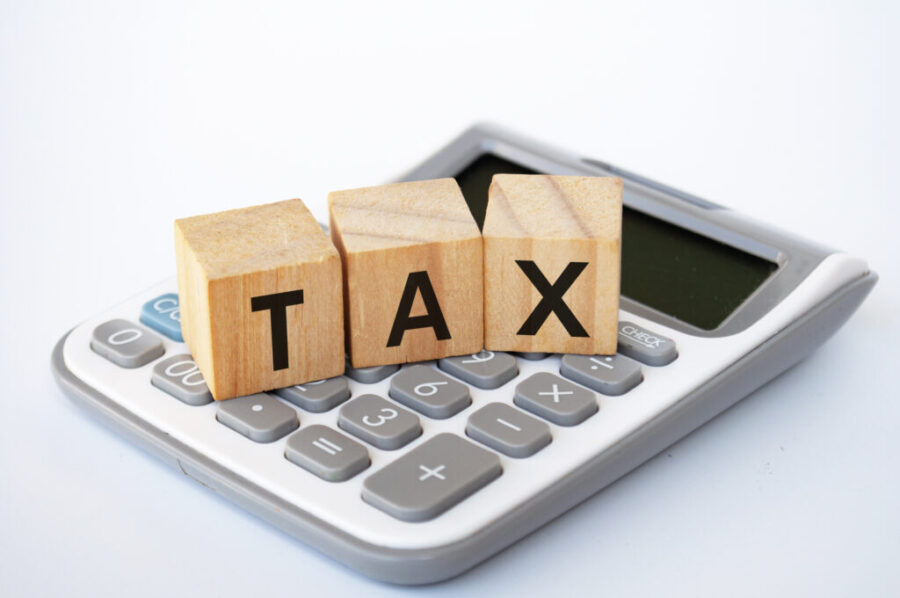
Civil society backs Lotteries and Gaming (Amendment) Bill 2026, which proposes a uniform 30 per cent tax on gross gaming revenue across betting and casino activities.
Uganda.- Social groups in Uganda have expressed support for the government’s plan to raise gambling taxes, describing the move as both a fiscal and public health intervention aimed at addressing the sector’s growing social impact.
Under proposed reforms contained in the Lotteries and Gaming (Amendment) Bill, 2026, authorities plan to increase the tax on gambling from 20 per cent to 30 per cent of gross gaming revenue. The changes are part of wider tax measures expected to take effect from July 2026, pending parliamentary approval.
Advocates argue that the increase is necessary as betting activity continues to expand, driven by mobile access and online platforms. Government data shows the sector has recorded significant growth in recent years, with gaming-related revenues rising sharply and total stakes reaching trillions of shillings annually.
Kennedy Oluma, coordinator of the Uganda Parliamentary Network on Illicit Financial Flows and Tax Justice, said the policy reflects growing concern over the social consequences of gambling. He noted that betting is increasingly affecting households, education outcomes and mental health, particularly among young people.
Other policy analysts share similar concerns. According to tax experts in Uganda, higher levies on betting are aimed at addressing issues such as addiction, rising debt levels and reduced productivity, which have been linked to increased gambling participation.
However, the proposed tax changes have drawn criticism from industry stakeholders, who warn that higher tax rates could reduce operator margins and discourage investment in the sector.
There are also concerns that excessive taxation may push some players towards unregulated or informal betting channels, potentially undermining enforcement efforts and expected revenue gains.