


Uganda proposes uniform 30% gaming tax and levy on player winnings
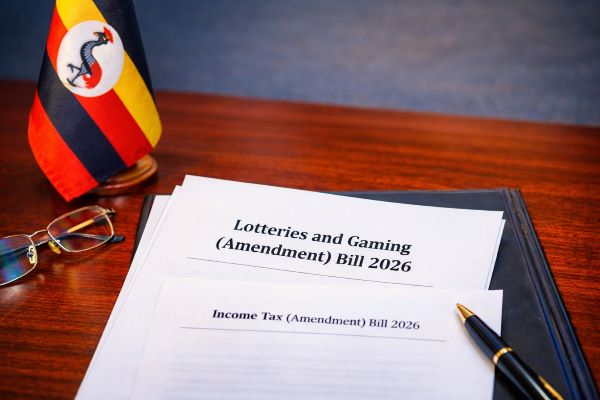

New legislation would align betting and gaming taxes while introducing a 15 per cent withholding tax on gambling winnings.
Uganda.- Uganda has tabled legislation that would harmonise the country’s gambling tax at 30 per cent of gross gaming revenue (GGR) and introduce a 15 per cent withholding tax on player winnings, as authorities seek to capture greater revenue from the country’s expanding betting sector.
The proposals were introduced through two amendment bills that would reshape taxation within the gambling industry. Under the proposed Lotteries and Gaming (Amendment) Bill 2026, gambling operators would be subject to a 30 per cent tax on GGR, calculated as the total amount wagered by players minus winnings paid out.
The legislation aims to harmonise tax rates across gambling activities, bringing sports betting in line with other gaming verticals. Currently, betting operators are taxed at 20 per cent of GGR, while casinos and other gaming activities already face a 30 per cent rate.
A separate measure, the Income Tax (Amendment) Bill 2026, would introduce a 15 per cent withholding tax on net player winnings, which operators would deduct before payouts are made. If approved by parliament, the proposed changes would take effect on July 1 2026, aligning with the start of Uganda’s fiscal year.
Tax reform context
The memorandum accompanying the Lotteries and Gaming (Amendment) Bill 2026, tabled in the Parliament of Uganda, outlines the purpose of the legislation: “The object of this Bill is to amend the Lotteries and Gaming Act to harmonise the gaming tax rate to thirty per cent of the total amount of money staked less the payouts.”
The proposals come as Uganda’s gambling market continues to grow, driven largely by increased smartphone penetration and the expansion of mobile betting platforms across the country. Industry reporting indicates that sports betting accounts for a significant share of gambling activity in the regulated market.
If implemented, the reforms would introduce two layers of taxation within the gambling ecosystem, applying levies both to operator revenues and to player winnings, as the government moves to capture a greater share of revenue from the rapidly growing industry.