


SA’s Bookmakers’ Association launches strong backlash against regulator’s ‘misinterpreted’ remote gambling stance
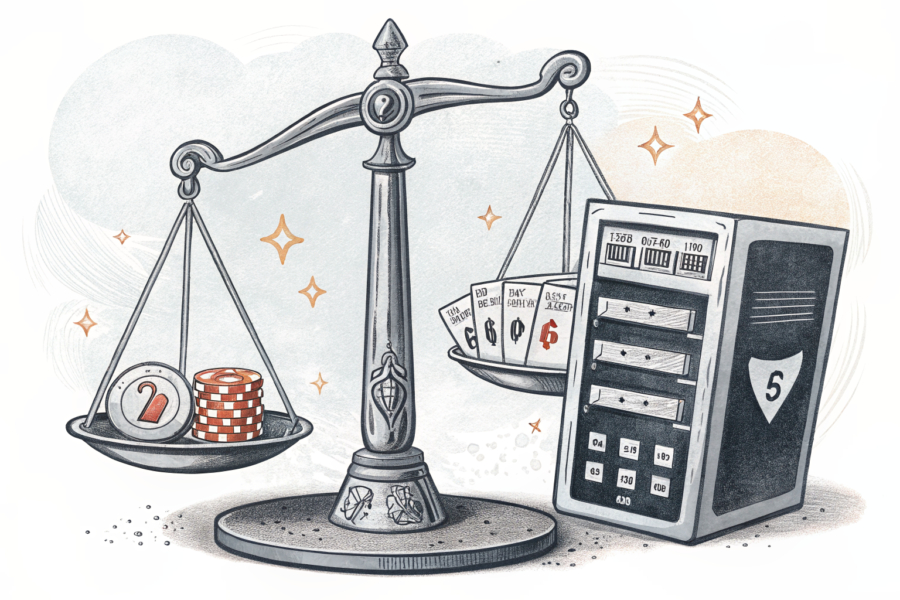
Industry body pushes back against National Gambling Board’s formal notice, challenging its legal authority and warning that the interpretation of remote gambling servers risks mischaracterising lawful betting operations.
South Africa.- The South African Bookmakers’ Association (SABA) has pushed back strongly against the country’s National Gambling Board (NGB), rejecting its stance on remote gambling systems and warning it is based on flawed legal and technical assumptions.
The response follows a formal notice issued by the NGB to Provincial Licensing Authorities (PLAs), clarifying its position on Remote Gambling Servers (RGS). The regulator’s position centres on the view that RGS may fall within the scope of prohibited interactive gambling under South African law. It has indicated that systems used to facilitate remote or online gambling activity may meet the legal definition of “interactive games”, which are not permitted under the current framework, placing such infrastructure under increased scrutiny.
SABA CEO Sean Coleman delivered a direct legal challenge to the regulator’s authority, stating: “Sections 33 and 34 of the National Act do not empower the NGB to issue any authoritative statements regarding the prevailing legislative and/or regulatory requirements of the National Act or any other legislation.”
He added that the regulator’s position is fundamentally flawed, saying: “All the directives which the NGB has recently given to provincial licensing authorities (“PLAs”) are based on a single assumption, which is presented as a fact.”
SABA defends lawful betting
The association also warned against the broader implications of the regulator’s stance, with Coleman stating that “the legitimate operations of licensed bookmakers should not unjustifiably be portrayed as being in defiance of the law”.
At the centre of the dispute is the classification of bookmaker activity under the National Gambling Act. Coleman said: “It follows that if a bet or wager offered by a bookmaker is not a gambling game, then it also cannot be an interactive game.”
He further rejected the regulator’s position, adding: “There is accordingly no legal basis for the contention that bookmakers anywhere in the country are making interactive games available for play by the public, or that their operations are unlawful when in reality, what they are offering are fixed odds contingency betting, as they are entitled to do in terms of the National Act.”
SABA also challenged the regulator’s interpretation of betting technology. Coleman said: “The NGB notice assumes that the use of Remote Gaming Servers is indicative of interactive gambling. This assumption evinces a misunderstanding of modern gambling system architecture.”
He explained: “A Remote Game Server is not a gambling activity in itself. It is a software architecture component used to host game logic, outcome determination or event processing functions within a regulated gambling system. Remote Game Servers form part of a distributed system architecture and are not visible to, or directly interacted with by, the player participating in a wager.”
According to SABA, this infrastructure supports licensed betting operations by hosting game logic, outcome determination and event processing functions within a regulated system and is not directly accessed by players.
“SABA believes that the interests of fairness and accuracy demand, firstly, that the betting public should be placed in an informed position regarding the provisions of the applicable law,” said SABA.