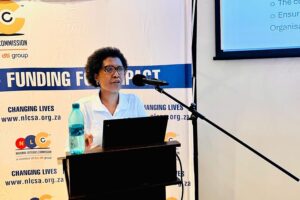


NLC addresses lottery grant funding issues at North West Post Indaba Stakeholder Engagement


The provincial engagement examined the implementation of resolutions from the 2025 National Indaba and gathered local input on future funding priorities.
South Africa.- The National Lotteries Commission (NLC) has convened about 300 stakeholders in Mahikeng for a Post Indaba Stakeholder Engagement (PISE) to identify provincial funding needs and address challenges affecting the grant application process.
Key takeaways:
- The NLC convened stakeholders in Mahikeng for a Post Indaba Stakeholder Engagement following its 2025 National Indaba.
- The commission is gathering provincial funding needs, including potential research-based projects, to inform future funding priorities.
- The NLC outlined digital grant system improvements and five common causes of application delays, including compliance and verification issues.
- The commission addressed its regulatory and funding role, governance expectations for NPOs and social challenges including youth unemployment and school drop-outs.
The engagement, held on September 11, forms part of the commission’s provincial follow-up to the 2025 National Indaba, where stakeholders discussed challenges affecting the NLC’s operations and relationships with organisations seeking funding.
Addressing participants, NLC Commissioner Jodi Scholtz said the PISE programme is being taken to provinces to determine which needs can be addressed through its application-based funding and which could require larger research-based projects.
The commission is also using the engagements to gather feedback on enhancements to its digital systems and the challenges faced by organisations applying for grants.
Digital grant system
A major focus of the engagement was the commission’s Digital Grant Management System. NLC chief information officer Poppy Tshabalala said the system is cloud-based and free to access, meaning applicants do not need data to submit their applications.
She identified five issues that commonly cause delays in grant applications. These include errors involving the main contact or authorised signatory; incorrect or outdated records with the Department of Social Development (DSD), Companies and Intellectual Property Commission (CIPC) or South African Revenue Service (SARS); and changes to directors or bank accounts after an application has been submitted. Other causes are incorrect grant agreement signing or missing annexures, as well as South African Fraud Prevention Services (SAFPS) or identity-verification flags.
Tshabalala warned that such issues can result in delays, additional work or rejection, urging organisations to ensure their compliance records are accurate before applying.
The NLC also provided an update on the implementation of resolutions from its 2025 National Indaba. Board member Beryl Ferguson said one of the issues raised at the National Indaba was the digital divide affecting organisations operating in rural and underserved communities. She said the commission has since been working to strengthen its digital systems and integration with partner institutions, with the changes aimed at improving transparency in the grant application process.
NLC stresses governance and regulatory duties
The commission also used the Mahikeng engagement to clarify its regulatory and funding responsibilities. Precious Mvulane, speaking on behalf of NLC board chairperson Tembinkosi Bonakele, said the commission has strengthened governance under the new board and adjudicates applications within 150 days. She stressed that the NLC is a funder and regulator rather than a policing authority. Cases involving suspected fraud should therefore be referred to law-enforcement agencies.
Mvulane also called on non-profit organisations (NPOs) to strengthen their internal governance, self-regulate and develop partnerships that can help diversify their funding sources.
Furthermore, the NLC raised concerns about youth unemployment and school drop-outs in Dr Ruth Mompati District, calling on NPOs to support young people through skills development and other empowerment initiatives.
The commission said feedback gathered through the provincial engagements will be taken back to its offices and used to inform future strategies and funding focus areas.