AGOK urges Kenya Senate to annul parts of gambling regulations
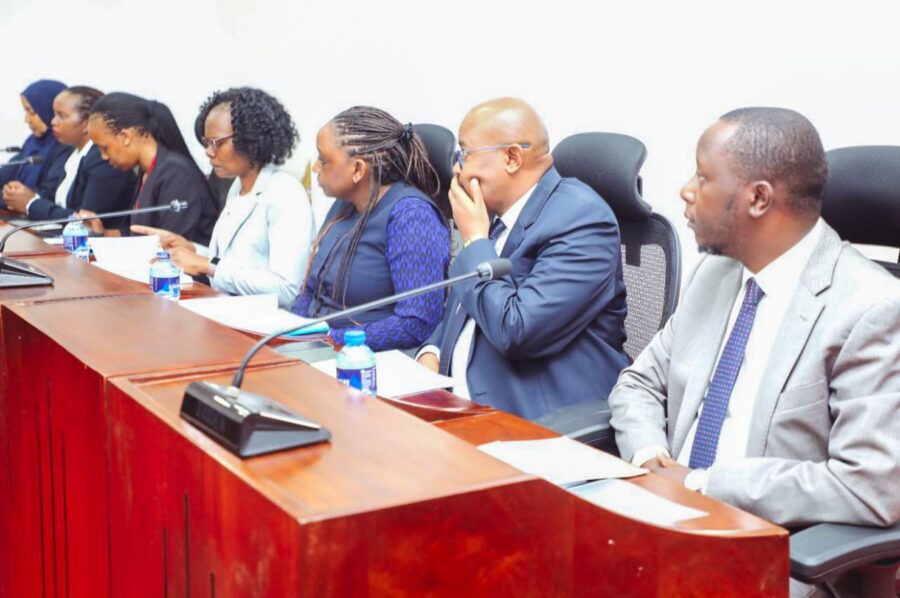
The association has raised concerns over licensing costs, minimum capital thresholds and the legal procedures used to introduce the new framework.
Key takeaways:
- AGOK has asked Kenya’s Senate to annul specific provisions of the Gambling Control Regulations 2026.
- The association argues that licensing fees amount to taxation rather than regulatory cost recovery.
- The licensing regulations set minimum capital requirements of KSh100m (US$770,000) for online bookmakers and KSh50m (US$385,000) for land-based bookmakers.
- AGOK says the regulations do not comply with the Statutory Instruments Act and that some provisions conflict with other written laws.
- A Senate motion proposed extending the committee’s review period by 21 calendar days, until November 26, 2026.
Kenya.- The Association of Gaming Operators Kenya (AGOK) has asked the Senate to annul parts of the Gambling Control Regulations 2026, arguing that licensing fees and minimum capital requirements could create barriers for operators and that the rules were not introduced in accordance with the law. The association presented its objections to the Senate Committee on Delegated Legislation on November 3, as the committee considered concerns over the new regulatory framework.
In its report on the November 3 hearing, published on the Parliament of Kenya’s website, the Senate Committee on Delegated Legislation heard AGOK Vice Chairperson Paul Mutegi call for specific provisions of the Gambling Control Regulations 2026 to be annulled and amendments recommended, while ensuring that licensed operators were protected from a regulatory vacuum.
The association argued that the regulations had not been developed in accordance with the procedural requirements set out in Part II of the Statutory Instruments Act. It also maintained that several provisions were inconsistent with the Act and other written laws, as outlined in Part III.
AGOK also challenged the fees and capital requirements, arguing that they were set at levels that amounted to taxation or created barriers to entry rather than serving the purpose of recovering regulatory costs.
The Gambling Control Regulations 2026 comprise six separate instruments covering licensing, gambling operations, foreign-based operators, advertising, the Gambling Appeals Tribunal and the National Lottery.
Industry concerns over the framework predate the Senate hearing. Operators raised objections to proposed licensing fees and regulatory requirements in April 2026, followed by the High Court’s decision in August to allow most of the new gambling rules to take effect while keeping increased licence fees and capital requirements suspended. The legal challenge continued into October, when the court postponed its expected judgment and scheduled the case for further directions after granting interested parties additional time to respond.
The Third Schedule of the Gambling Control (Licensing) Regulations 2026 sets minimum capital requirements of KSh100m (US$770,000) for online bookmakers and KSh50m (US$385,000) for land-based bookmakers. AGOK argues that the financial requirements could create barriers to entry for operators.
Mutegi told the committee that AGOK had previously raised its concerns with the Executive, writing to the Office of the Prime Cabinet Secretary on July 15 and again on August 6, 2026.
The office forwarded the concerns to the Gambling Regulatory Authority (GRA) on August 11 and proposed a round-table discussion. However, Mutegi told the committee: “No engagements have taken place to date, despite AGOK’s requests.”
AGOK commits to engagement as Senate considers review extension
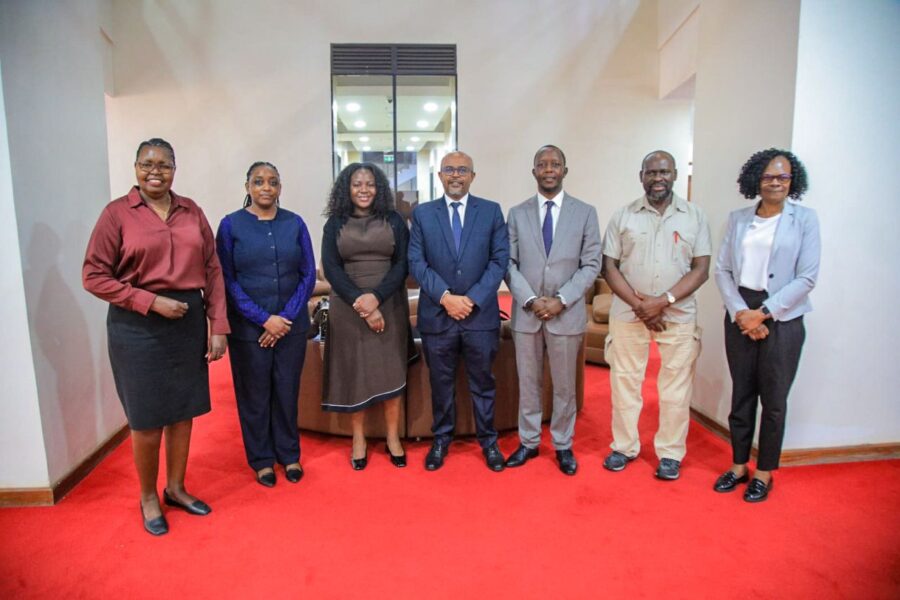
In a LinkedIn post on November 4, AGOK confirmed that its board had met the committee to present and discuss its memorandum on the regulations. The association said the meeting provided an opportunity to share the industry’s perspectives and propose practical recommendations towards a fair, effective and sustainable regulatory framework. It added that it remained committed to constructive engagement in shaping the future of Kenya’s gaming industry.
Following the presentations, the Senate committee resolved to engage additional stakeholders before preparing an informed and inclusive report for consideration by the House.
The meeting was chaired by Committee chairperson Mwenda Gataya, with vice chairperson Danson Mungatana and senators Mohamed Faki, Consolata Wakwabubi, Dan Maanzo and Betty Montet also in attendance.
The committee’s 28-sitting-day review period was due to expire on November 5. A motion in the Senate’s November 4 Supplementary Order Paper proposed extending the period by 21 calendar days, until November 26, to allow further consultations.
The proposed extension would give the committee more time to engage relevant stakeholders, including the Prime Cabinet Secretary and the Cabinet Secretary for Foreign and Diaspora Affairs, before completing its review. The Order Paper indicated that the question was still to be put to the Senate at the time of reporting.
Frequently asked questions (FAQs)
- What is AGOK asking the Senate to do? AGOK has asked the Senate to annul specific provisions of the Gambling Control Regulations 2026 and recommend amendments.
- What aspects of the regulations does AGOK oppose? The association has raised concerns about licensing fees, minimum capital requirements and alleged failures to follow the procedures set out in the Statutory Instruments Act.
- What are Kenya’s minimum capital requirements for bookmakers? The regulations set minimum capital requirements of KSh100m (US$770,000) for online bookmakers and KSh50m (US$385,000) for land-based bookmakers.
- Why does AGOK oppose the fees? The association argues that some fees have been set at levels that amount to taxation rather than recovering the costs of regulatory oversight.
- Has the Senate agreed to annul the regulations? No annulment has been confirmed. The committee has resolved to consult additional stakeholders before preparing its report for consideration by the Senate.