


Kenya pushes to raise legal betting age to 21 in major gambling reforms


Nation moves to increase betting age and minimum stakes in push for greater accountability and responsible gambling.
Kenya.- Kenya is tightening the reins on its gambling scene, moving to raise the legal betting age to 21 and increase the minimum stake to Ksh50, ($0.40). These moves come as part of a bigger push aimed at curbing underage betting and casual low-stakes gambling, signalling a tougher stance on access and responsibility in one of Africa’s busiest gaming markets.
Government has reiterated that gambling remains a revenue source and a significant entertainment option for the country. MPs emphasise that this overhaul is not anti-gambling; it is about promoting accountability and social responsibility in the thriving industry.
The Gambling Control Bill 2023, currently under discussion and mediation in the National Assembly, plans to completely reshape Kenya’s gambling industry. While the current legal gambling age is 18, the government is moving to raise it to 21 as part of efforts to protect vulnerable youth.
The bill also proposes increasing the minimum betting stake from KSh20 ($0.16) to KSh50 ($0.40), alongside comprehensive reforms designed to promote responsible gambling and strengthen industry oversight.
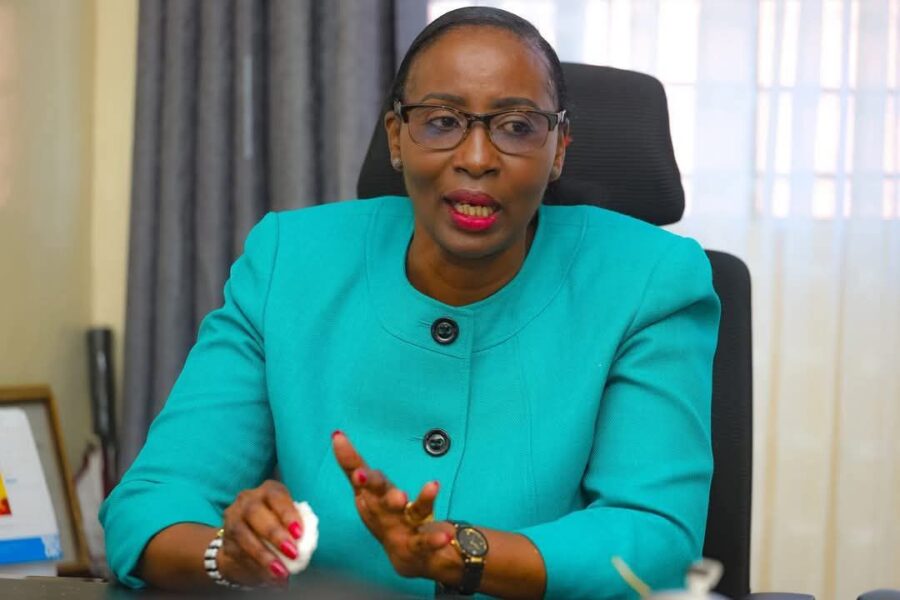
MP Beatrice Elachi highlighted the focus on age restrictions. “We need to build an age limit on gambling in Kenya. Just the way we’ve done to alcohol, that 21 age limit should also apply to gambling,” she said, according to a parliamentary press release. She added that raising the minimum stake would make gambling less accessible to vulnerable youth.
Bill modernises and simplifies regulation
The bill plans to scrap the current Betting Control and Licensing Board, or BCLB, and create a new body called the Gambling Regulatory Authority of Kenya to handle all licensing. At the same time, county governments would take charge of issuing trade permits, making regulation simpler and cutting down on any overlap between authorities.
Beyond licensing and regulation, the bill also seeks to cover prize competitions and public lotteries under a unified legal framework. Lawmakers debated expanding counties’ roles in gambling regulation, but decided to maintain licensing authority at the national level, while counties handle trade permits.
Supporters argue that the higher minimum bet is essential to curb micro-stakes gambling, which has surged among young users, especially via mobile platforms.
MP Kwenya Thuku, who is leading the ongoing parliamentary negotiations on the bill, described it as a “modernised approach that aims to balance both the economic benefits of the industry while protecting consumers in our society.” He called the legislation a pivotal shift in Kenya’s gaming regulation landscape.