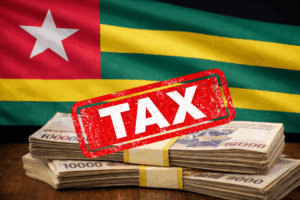


Ghana risks GH¢13bn revenue loss after scrapping betting tax and other key levies
Introduced in 2023, the betting levy imposed a 10 per cent withholding tax on lottery and sports betting winnings.
Ghana.- Ghana’s decision to abolish three key taxes, including a levy on betting winnings, is expected to significantly reduce government revenue, with policy analysts warning of potential fiscal pressures.
The Accra-based Centre for Policy Scrutiny (CPS) estimates that scrapping the Electronic Levy (E-Levy), COVID-19 Levy and betting tax could result in annual revenue losses exceeding GH¢13bn (€780m). The think tank said the move comes at a time when the government faces rising expenditure demands and ongoing challenges in domestic revenue mobilisation.
Introduced in 2023, the betting tax imposed a 10 per cent withholding tax on lottery and sports betting winnings as part of efforts to generate revenue from Ghana’s growing gambling sector. However, the policy faced strong opposition from bettors and industry stakeholders, who argued that it reduced payouts and could discourage participation in regulated platforms.
The government later abolished the tax under a broader reform that also saw the removal of the E-Levy and COVID-19 Levy, measures initially introduced during the economic downturn triggered by the COVID-19 pandemic and global shocks.
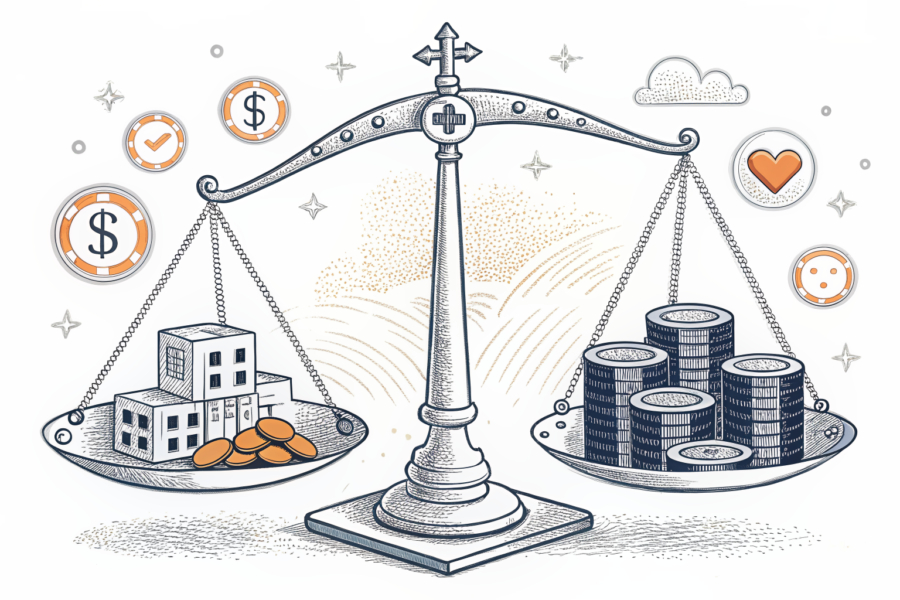
Speaking at a CPS forum in Accra, policy analyst Isaac Danso Agyiri said the removal of the taxes carries significant opportunity costs, noting that the estimated GH¢13bn in annual revenue could have supported infrastructure development, including schools, healthcare facilities and road networks.
Executive Director of CPS, Dr Adu Owusu Sarkodie, noted that the abolition of the three taxes has created a substantial revenue shortfall, with implications for fiscal stability and development financing. He noted that the combined revenue from the taxes was estimated at about GH¢4.8bn (€372.3m), close to Ghana’s mineral royalty earnings of GH¢5.2bn (€403.4m) in 2024.
Sarkodie also raised concerns about Ghana’s tax-to-GDP ratio, which remains around 16 per cent, below the 25 per cent benchmark for middle-income economies. He cautioned against politically driven tax decisions and called for reforms based on data and economic considerations to improve revenue mobilisation.