


Togo lottery players slam controversial 5% winnings tax
Players warn the levy is unfair, while authorities say it’s a key measure to boost government revenue under the 2026 budget.
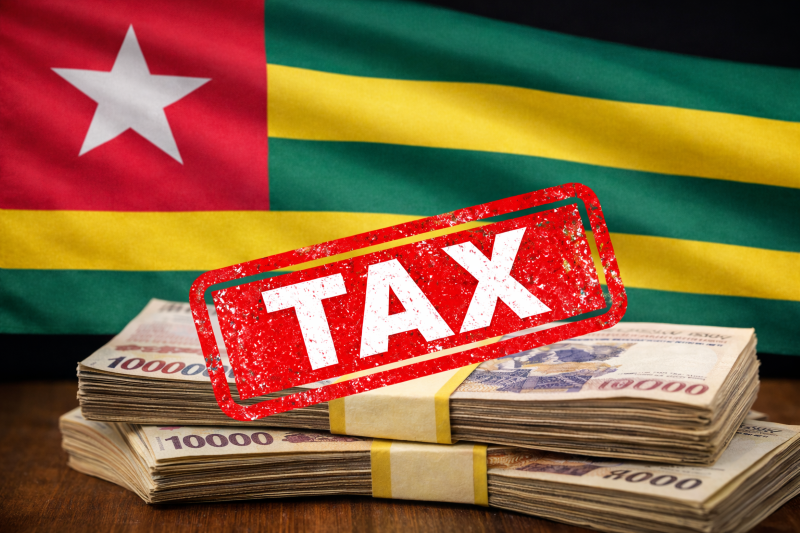
Togolese Republic.- The Togolese Republic’s 5 per cent tax on lottery winnings above CFA500 000 (€760) is drawing criticism from players, who warn it could reduce the thrill of winning and push some towards unregulated gambling platforms. Authorities defended the measure as a necessary step to boost government revenue and strengthen the national budget.
The law, effective January 1, 2026, requires LONATO, Togo’s National Lottery operator, to automatically withhold the 5 per cent tax at payout and remit it to the Togolese Revenue Authority (OTR). This deduction is part of the 2026 finance law’s compliance and digital reporting requirements.
Players expressed frustration over the new levy. “When I win, I already have to share with the state, even though I take the risk of playing. It’s not motivating,” said a player, according to Icilome. Another added: “It’s unfair that only winnings above CFA500,000 are taxed. We feel penalised for being lucky.” Players also warned: “If this continues, some may turn to unregulated platforms.”
Revenue and reforms
The lottery tax forms part of broader fiscal reforms and overall tax receipts are projected to rise about 10.8 per cent year on year, according to a Togo First report. “Tax receipts remain the main component of the 2026 budget and account for more than 82 per cent of total state revenue, with overall tax revenue projected at CFA1338.9bn (€2.04bn) in 2026 compared with CFA1208.3bn (€1.84bn) in 2025,” the report said.
The report added that the 2026 finance law introduced certified electronic invoicing to strengthen revenue mobilisation and improve compliance – including for gambling and lottery payouts – ensuring taxable winnings are digitally recorded and remitted under the new system.
The levy underscores the challenge of enforcing fiscal reforms while maintaining public engagement in Togo’s lottery sector, as authorities aim to strengthen revenue collection without undermining legal participation.