


Africa’s game studios gain global spotlight with Sims 4 West African update
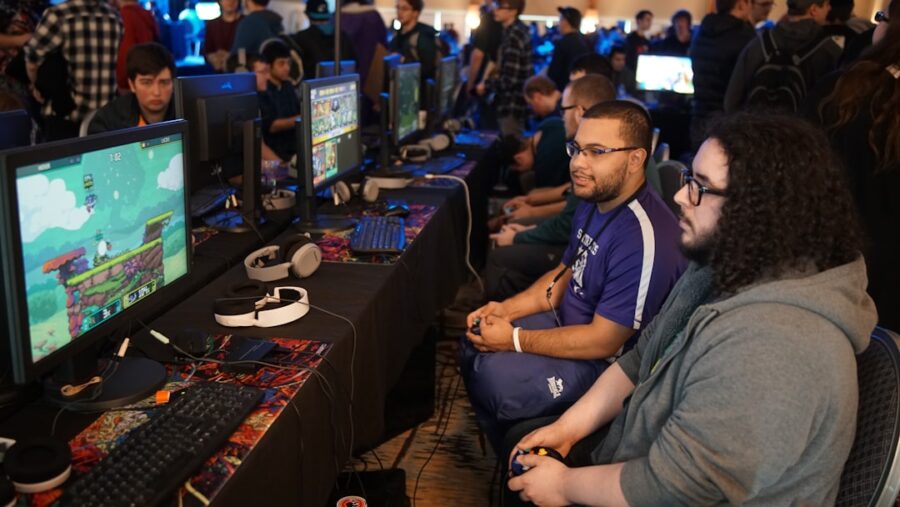

Leti Arts and Usiku Games are highlighted as leading African developers positioned for future collaboration after PAGG helps bring West African culture into the Sims 4.
Ghana.- African game studios are increasingly drawing global attention as major publishers explore collaborations with local developers. This year, The Sims 4, a life simulation game where players create and manage virtual people and households, partnered with the Pan-African Gaming Group (PAGG) to integrate authentic West African content.
The update, featuring “woven baskets, patterned textiles and Jollof rice”, brings everyday aspects of West African life into one of the world’s most popular simulation games.
According to a Games Industry Africa (GIA) report, this update was “more than a feature drop”. It is presented as proof that global publishers can meaningfully collaborate with African creatives to build richer, more authentic worlds.
PAGG’s Maame Adjei and Kasyoka Mwanzia said: “The collaboration has been seamless and deeply fulfilling, allowing us to help shape content that honors the beauty and complexity of West African culture.”
African studios ready for global game partnerships
Two African studios, Leti Arts in Ghana and Usiku Games in Kenya, are highlighted as being perfectly positioned to lead a future wave of deeper collaborations. Leti Arts, founded by Eyram Tawia, is celebrated for games rooted in African folklore and history, while Usiku Games, led by Jay Shapiro, develops mobile titles under the #GamingForGood ethos, tackling themes such as youth empowerment and wildlife conservation.
However, the GIA report also points out the reality that many African developers face challenges. They often lack access to the scale, funding and infrastructure that established global publishers can provide.
The Sims 4 update is framed not as a one-off cosmetic collaboration but as a potential sign of a more ambitious future. It could lead to full-scale partnerships between African studios and major international publishers to co-create games from the ground up.